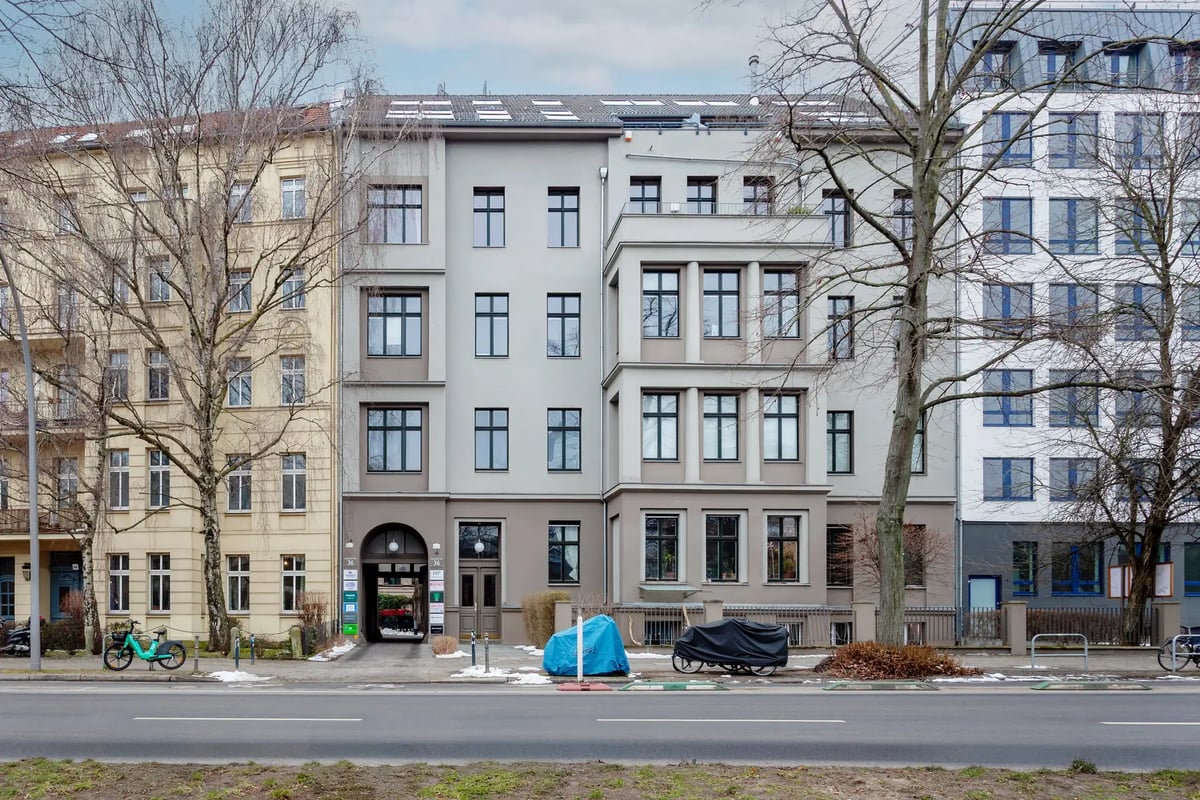


Berlin's property market presented two faces in autumn 2019. On one side, rental growth slowed to its weakest rate in years. On the other, the rent cap debate triggered distortions and preemptive price adjustments.
Rents: Moderate growth, wide spread
Median asking rents in Berlin rose 2.5 percent over twelve months to 11.45 EUR per sqm. That is the weakest increase in years. The range remains wide: Marzahn-Hellersdorf still comes in below 10 EUR per sqm, while the Mitte district leads at over 17 EUR per sqm. The market trajectory, however, is increasingly shaped by the political situation.
Rent cap debate drives up new-lease rents
The rent cap discussion has had a paradoxical effect: instead of dampening prices, asking rents on new leases have jumped. Many landlords are maximizing the rents permissible under the Civil Code while they still can. The increase is measurable across almost all 22 of Berlin's historic boroughs. In the short term, this runs counter to the regulation's aims.
Purchase prices: Vacant apartments surge
A gap is opening in the sales market. Prices for tenanted resale apartments have stagnated as yield expectations fall due to the rent brake and the prospective rent cap. Vacant apartments in Berlin, by contrast, rose around 14.5 percent in twelve months. The expansion of conservation areas (Milieuschutzgebiete) is restricting the supply of convertible residential property and reinforcing this trend. In the new-development segment, the median listing price in September 2019 was 6,360 EUR per sqm.
Housing deficit and suburbanization
The root cause of price pressure remains: Berlin is short of roughly 200,000 apartments according to our calculations. The largest deficits are in Neukoelln and Charlottenburg. At the same time, Berlin is losing residents to the Brandenburg suburbs. In net terms, more than 12,000 people moved to Brandenburg in 2018. This outflow may be a reaction to the scarce and expensive supply in the city, yet inner-city pressure remains high.