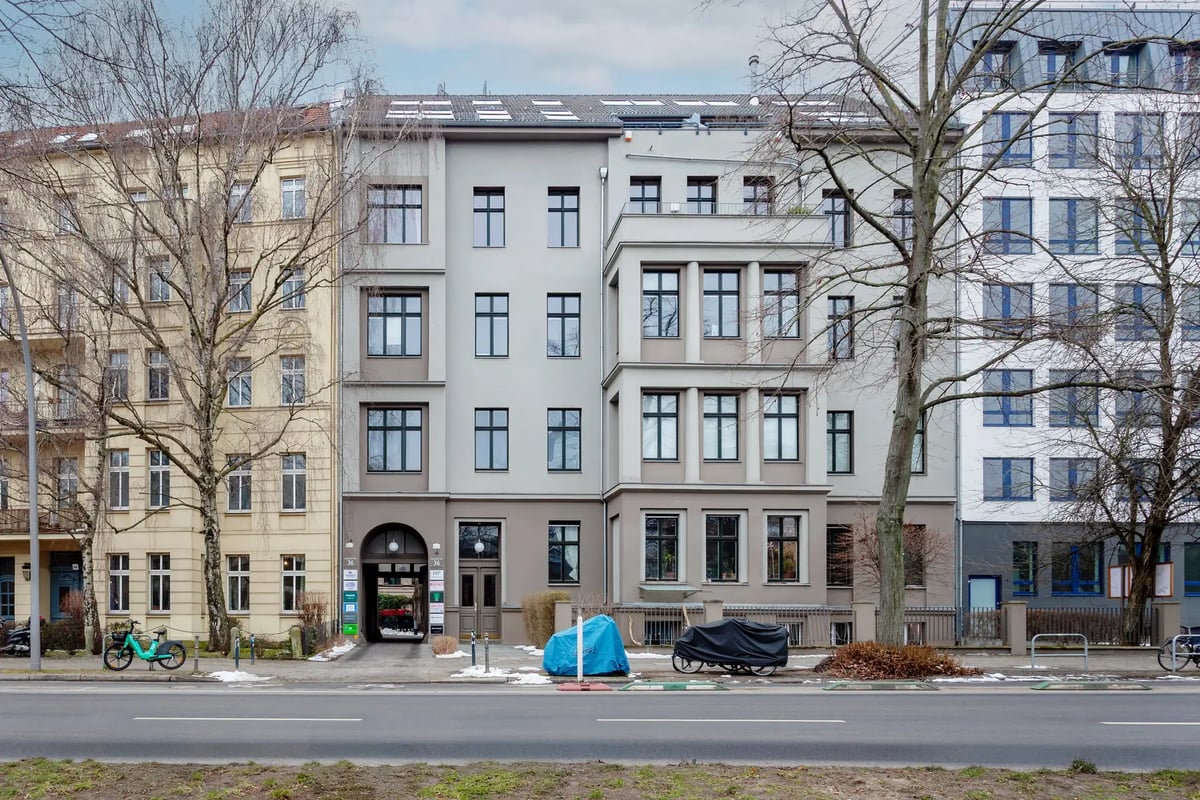


New momentum in an old dispute
Many owners and tenants along the planned A100 extension between Grenzallee and Lichtenberg had already resigned themselves to the demolition of their buildings. Then a report by the Bundestag's parliamentary research service brought the issue back to life.
The core problem: the draft Federal Transport Infrastructure Plan (BVWP) 2030 no longer listed the 16th construction section (Grenzallee to Treptower Park) and the 17th section (to Storkower Strasse) as separate projects. Instead, they were treated as a single scheme classified as "firmly committed" and "under construction."
What the report found
According to the report, merging the two sections constituted a material change in planning. A renewed public consultation could only be waived "insofar as no additional or different significant environmental impacts are expected." The Left Party seized on this and demanded that the public participation process be reopened entirely, arguing that the merger carried substantial new consequences.
Boroughs affected
The planned route runs through Neukoelln, Treptow-Koepenick and Friedrichshain-Kreuzberg. For owners and investors in these areas, the debate primarily meant planning uncertainty. Projects based on the existing plans were back in question. Demolitions and compulsory purchases for buildings on or near the route remained possible or could extend to new areas.
Continuing construction would have improved transport links for some areas but also created new noise sources. Halting the project would have preserved the value of existing properties and freed up land for building new apartments.
What happened next
Whether the Left Party would succeed was uncertain. The BVWP 2030 draft was due to be adopted by the federal government in the summer, followed by parliamentary hearings. Owners had to prepare for continued uncertainty. The market trends in the affected boroughs reflected this ambiguity.