

Was there enough building land in Berlin to meet growing demand for housing? A 2015 survey by the Tagesspiegel newspaper across Berlin's borough offices provided a reassuring answer, at least on paper: the potential was there to cover the need for new apartments in Berlin for the years ahead.
What the boroughs reported
Several boroughs could put concrete numbers to their reserves. In the borough of Mitte, demand through 2020 was estimated at 14,800 to 17,400 units. CDU councillor Carsten Spallek told the Tagesspiegel that the borough had identified potential for around 17,585 units.
SPD councillor Marc Schulte saw "no real bottlenecks" in Charlottenburg-Wilmersdorf and put the available open land at around 6,000 additional units. In Friedrichshain-Kreuzberg, Green councillor Hans Panhoff said plans already existed for nearly all brownfield sites, enough to absorb the population growth.
Where the potential lay
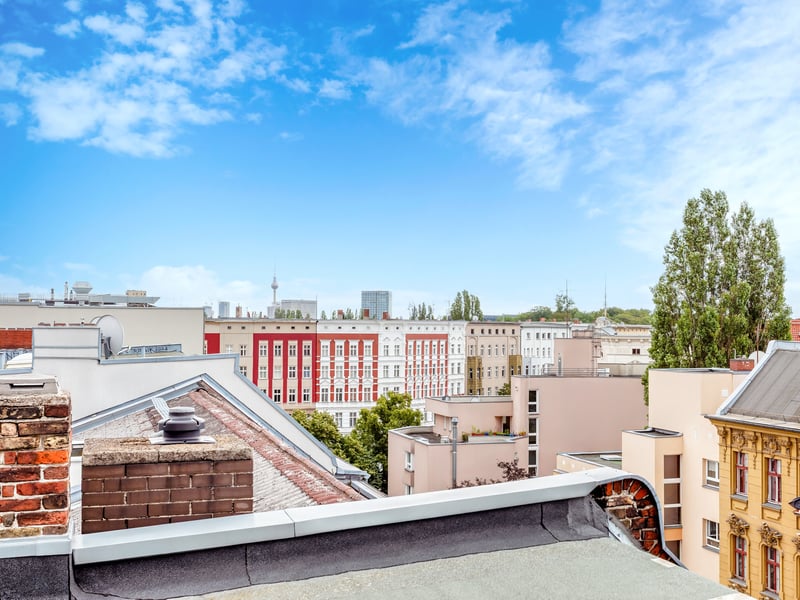
The reserves spread across several categories: former industrial and railway land suitable for larger neighbourhood developments; infill plots in existing residential areas; rooftop extensions and additional storeys on existing buildings; and conversion of commercial or office space into housing.
Theory versus practice
Despite the numbers on paper, construction projects ran into resistance. One example was a site next to Mauerpark in Mitte, where 700 apartments were planned. A residents' initiative pushed to turn the area into a park instead. Conflicts like these between developers and residents could delay projects for years or prevent them entirely. Lengthy permit procedures added further obstacles.
What it meant for investors
The 2015 survey painted a split picture: building land reserves existed, but tapping them depended on social and administrative hurdles. For property investors, this meant that site analysis had to go beyond location and price to include the local political climate and potential resident opposition.