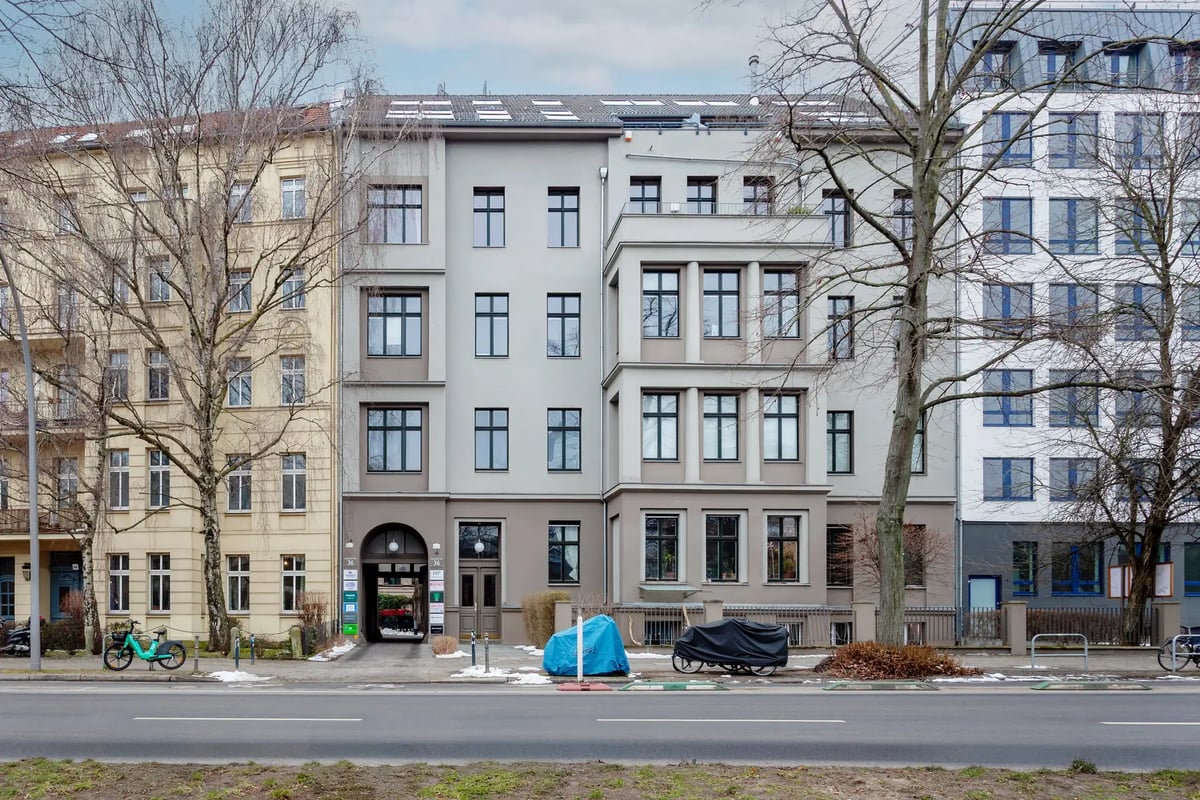


The CDU/CSU-SPD coalition presented key points for the new Building Modernization Act (Gebäudemodernisierungsgesetz, GMG) on February 24, 2026. It will replace the current Building Energy Act (Gebäudeenergiegesetz, GEG) and is expected to take effect before July 1, 2026. The reform directly affects property owners and investors in Berlin. According to the 2022 census, roughly 74 percent of Berlin's residential buildings are heated with gas or heating oil.
What is changing
The core of the reform: Sections 71-71p and Section 72 of the current GEG will be eliminated. This removes the obligation to install a heating system running on at least 65 percent renewable energy when replacing a boiler. The ban on operating oil and gas boilers without condensing technology after 30 years is also being lifted.
Two instruments replace the 65 percent mandate:
Bio-ladder (Bio-Treppe): Anyone who installs a new gas or oil boiler after the Act takes effect must blend at least 10 percent carbon-neutral fuels (such as biomethane) from January 1, 2029. According to the policy paper, this share will rise in three further steps through 2040.
Green gas quota (Gruengasquote): In addition, the government introduces a quota for natural gas and heating oil suppliers. It starts in 2028 at up to one percent and aims to save at least two million metric tons of CO2 by 2030. The quota applies to residential customers, not industrial or commercial users.
Timeline and subsidies
The cabinet draft is expected by Easter 2026, with parliamentary deliberations to follow in spring. According to the policy paper, the Federal Subsidy for Efficient Buildings (BEG) — including grants for heat pumps and building insulation — will continue through at least 2029.
For new construction, the policy paper foresees a zero-emission standard: from 2028 for public non-residential buildings, from 2030 for all new buildings.
Berlin owners get short-term relief, long-term cost shifts remain
According to the 2022 census, approximately 194,500 residential buildings in Berlin are heated with gas and about 56,400 with heating oil. These owners are directly affected by the reform. With the 65 percent mandate gone, the short-term pressure to replace heating systems disappears — the bio-ladder only takes effect from 2029.
At the same time, construction costs continue to rise: the construction price index stood at 141.9 points in Q4 2025 (base: 2015 = 100) — an increase of 5.2 % compared to the previous year. Energy-efficient renovations remain a significant cost factor in property valuations.
For investors in the Berlin apartment building market, the calculation changes: the green gas quota will affect operating costs for gas-supplied buildings over the medium term, as the costs of green fuels are passed through via the gas price.
If you are looking to buy an apartment in Berlin, you should continue to factor the building's energy efficiency class into your purchase decision. According to industry estimates, apartments in efficiency classes A+ through B achieve roughly 16 percent higher sale prices than properties in the lower efficiency range.
Disclaimer
This article is for general information only and does not constitute tax or legal advice. The content does not replace individual consultation with a tax advisor or attorney. No liability is assumed for accuracy or completeness.