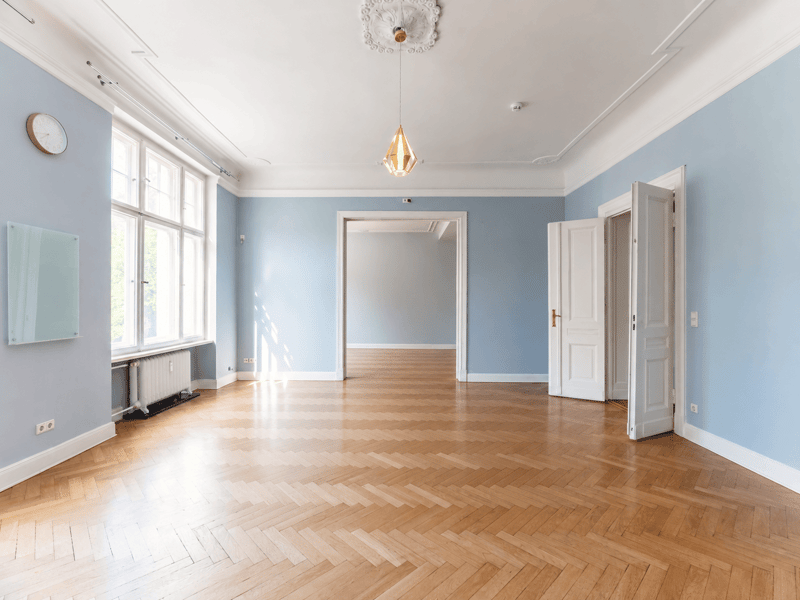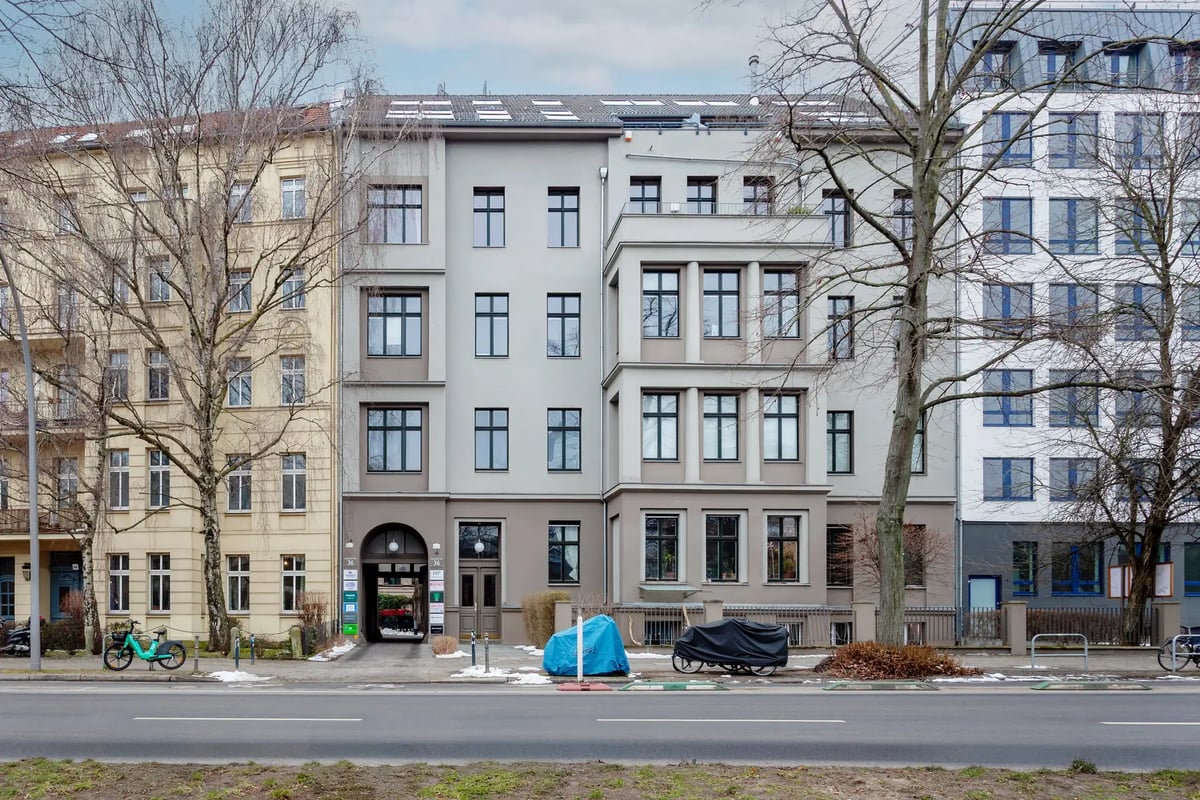


Berlin needs housing, and that housing only comes if available land is used more efficiently. Germany's Federal Administrative Court (BVerwG) has now settled a multi-year dispute between lower courts, simplifying building permit procedures across large parts of the city.
What this is about
The Berlin land use plan (Baunutzungsplan), which still applies to large parts of former West Berlin, dates back to the 1960s. At its highest building level (V/3), it allows a floor area ratio (GFZ) of only 1.5. In many areas, significantly higher density has developed over the decades. The plan no longer reflects reality.
The legal dispute
In 2020, the 2nd Senate of the Higher Administrative Court (OVG) Berlin-Brandenburg ruled that the rigid floor area ratio had become functionally obsolete in certain areas. In 2023, the 10th Senate of the same court ruled the opposite: an average citizen could not be expected to recognize the obsolescence. This contradiction blocked numerous projects.
What the Federal Court clarifies
Two key points. First, the relevant standard is not the layperson's perspective but a professional assessment based on specialized knowledge. Second, the analysis must consider a larger area, not just the immediate building block. Attorney Axel Dyroff of Seldeneck & Partner law firm summarizes: "If the permitted building dimensions are obsolete, a building application will be assessed under Section 34 of the Building Code, and the only question is whether the project fits within its immediate surroundings."
What changes
In densely built areas like Charlottenburg, Wilmersdorf, or parts of Neukoelln, building extensions, loft conversions, and infill construction become easier to approve. Conditions improve for apartments in Berlin, especially new development projects. Market trends in these areas are likely to benefit. In the medium term, the land use plan appears to have run its course as a regulatory instrument.
Further information is available on the website of Seldeneck & Partner law firm.
Disclaimer
This article is for general information only and does not constitute tax or legal advice. The content does not replace individual consultation with a tax advisor or attorney. No liability is assumed for accuracy or completeness.