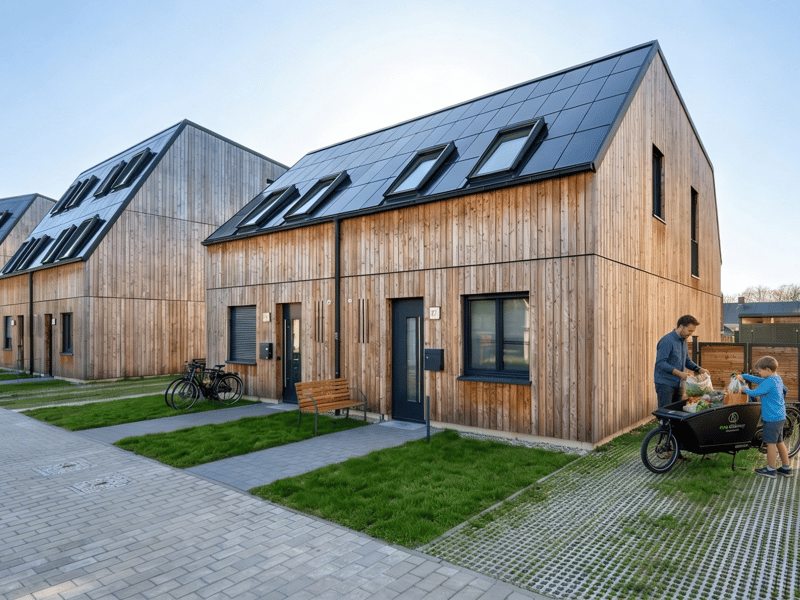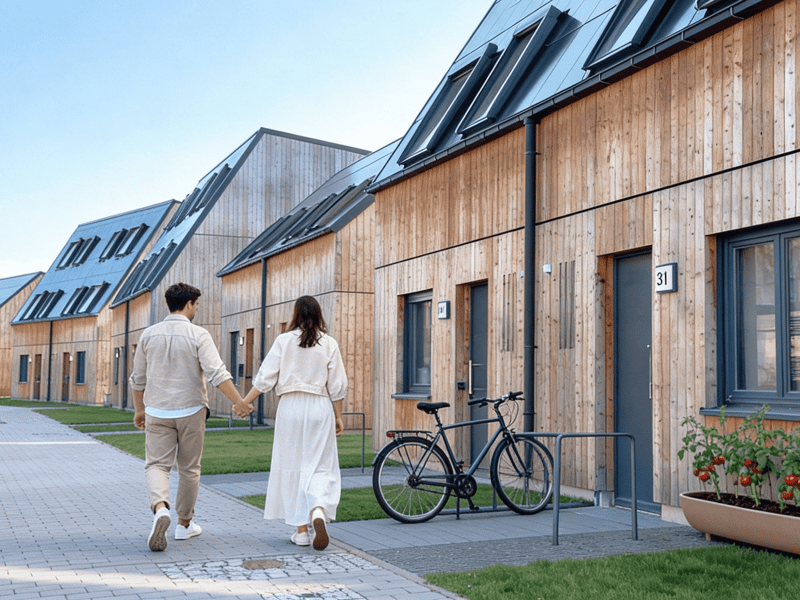


In April 2015, the borough office of Steglitz-Zehlendorf approved an application for a citizens' initiative (Buergerbegehren) in Lichterfelde-Süd. The goal: to scale back plans for roughly 2,500 apartments on a former US military training ground. The Senate Department for the Interior had to rule on the initiative's legal admissibility.
Traffic collapse versus housing shortage
The positions were clear. The citizens' group feared traffic gridlock on already strained roads, loss of green space and rising rents in the surrounding area. They wanted only about 1,500 units instead of 2,500. Urban planners countered that with steady population growth and a tight housing market, the new construction was urgently needed.
From referendum to building project
The initiative succeeded and led to a local referendum in 2017. A majority of those who voted backed reducing the number of apartments, but the required quorum was not reached. This cleared the way for further planning. The project, now called "Neulichterfelde," was developed over the following years. Construction finally began much later, illustrating the long timelines between initial concept and completion in Berlin.
What the case means for investors
The Lichterfelde-Süd case highlights several factors in the Berlin market. Citizens' initiatives and political processes can delay construction by years or change a project's scope. This risk needs to be factored into the planning of new developments. At the same time, resistance to densification in established areas supports the value of existing properties, because supply remains constrained.