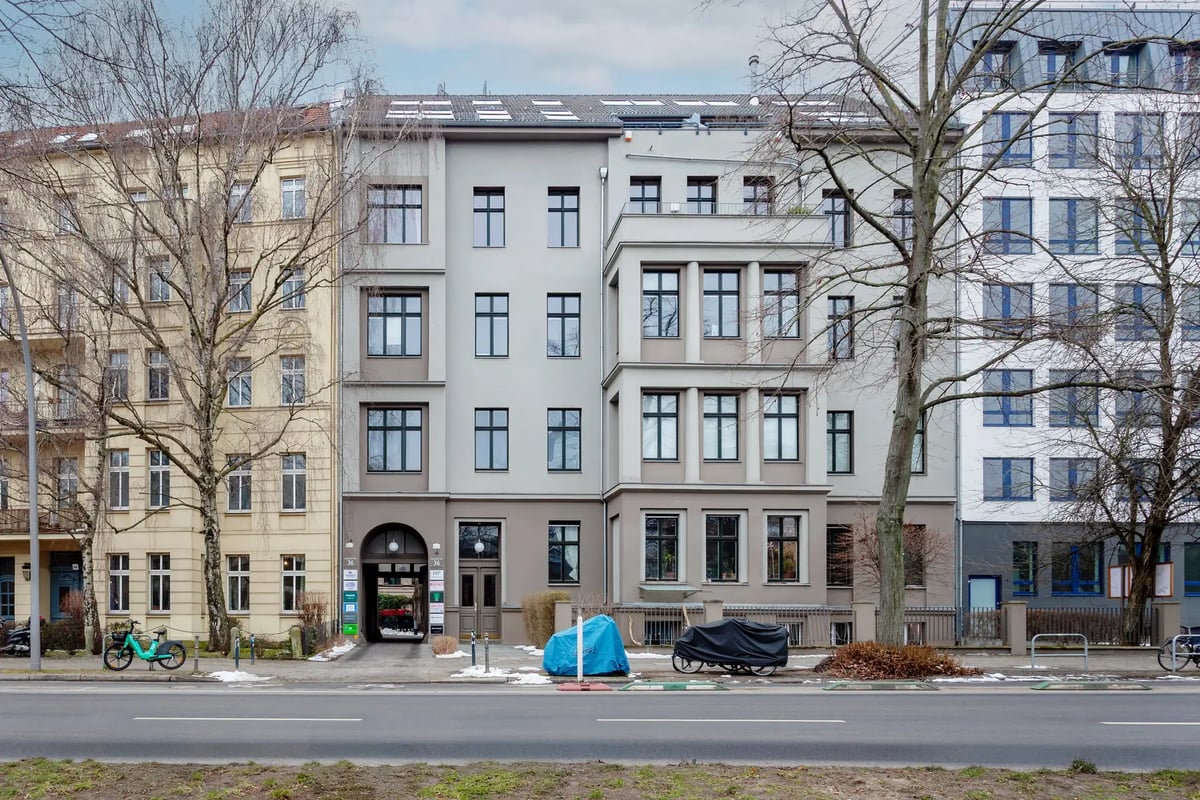


Development plan for 500 apartments approved
In June 2015, Berlin's Senate passed the project-related development plan 1-92 VE for a residential quarter in the planned Europacity. Around 500 apartments in Berlin-Mitte were to be built on a roughly 2.3-hectare site east of Heidestrasse, opposite the existing buildings at Heidestrasse 45-52. The proposal came from Building Senator Andreas Geisel.
The site is part of the former railway area north of Berlin's central station. Under the name "Europacity," the entire area was to become a self-contained urban quarter with residential and commercial space and was one of Berlin's largest urban development projects of the 2010s.
Seven-story perimeter block design
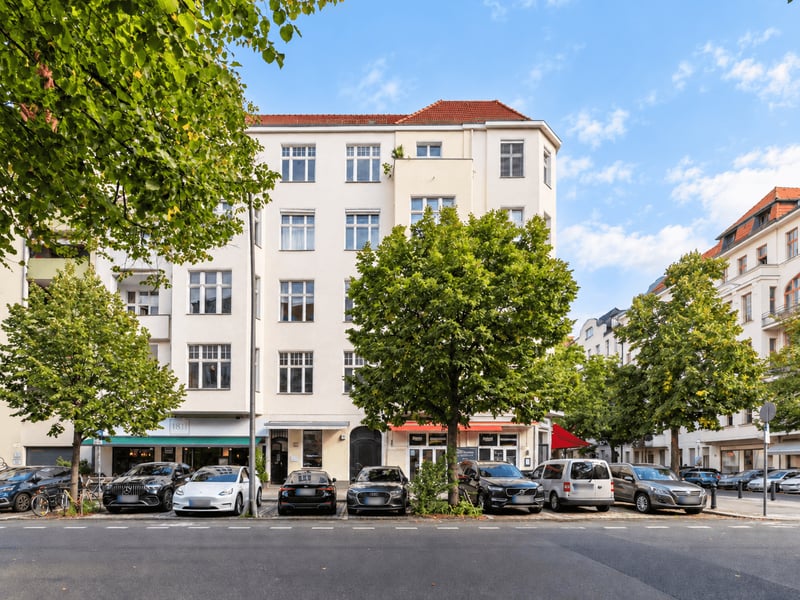
The plan called for predominantly seven-story perimeter block buildings, a design that echoes Berlin's traditional urban fabric and allows dense housing in a central location. Ground floors were reserved for commercial uses such as offices and shops to create street-level activity and give the quarter its own infrastructure.
Daycare center and subsidized apartments
A daycare center with roughly 65 places was integrated into the development. The implementation contract also secured 42 apartments at reduced rents, about 8 percent of the total. This allowed lower-income households to live in Mitte as well.
40 hectares in total
The 2.3-hectare plan area was just one piece. The broader Europacity covers a roughly 40-hectare redevelopment zone on both sides of Heidestrasse. Its location directly north of the central station, with regional, long-distance, and S-Bahn connections, made it one of Berlin's best-connected sites.
For investors and buyers, the Europacity was an indicator of price trends in Mitte. Central location, strong transport links, and mixed use pointed toward stable long-term value. The 2015 development plan laid the foundation for a quarter that has since become one of the capital's sought-after residential addresses.