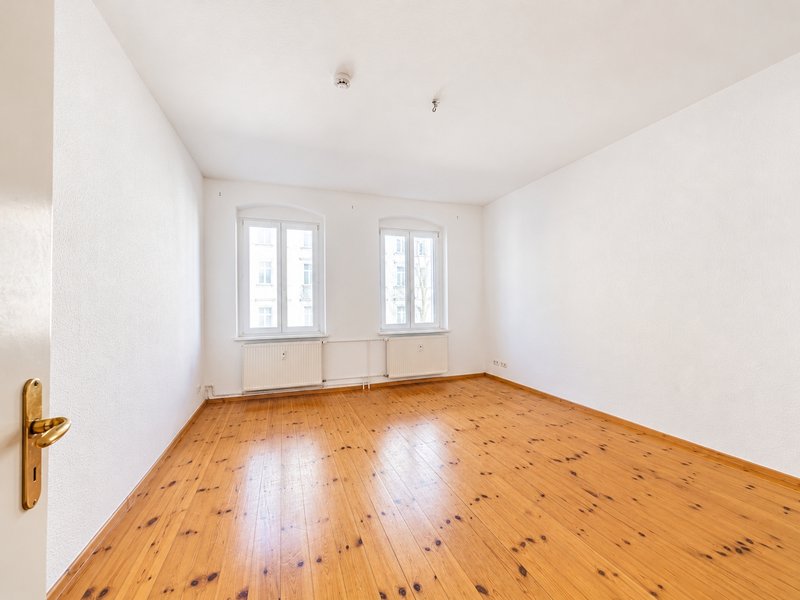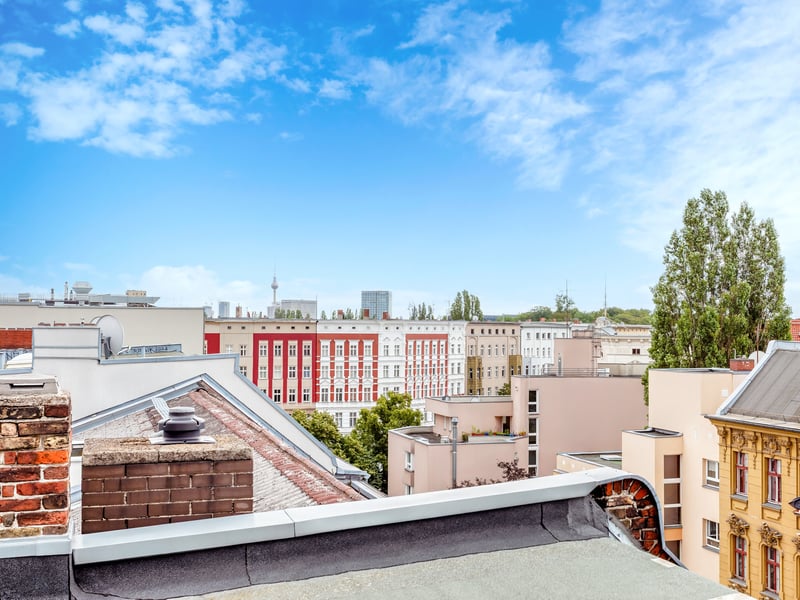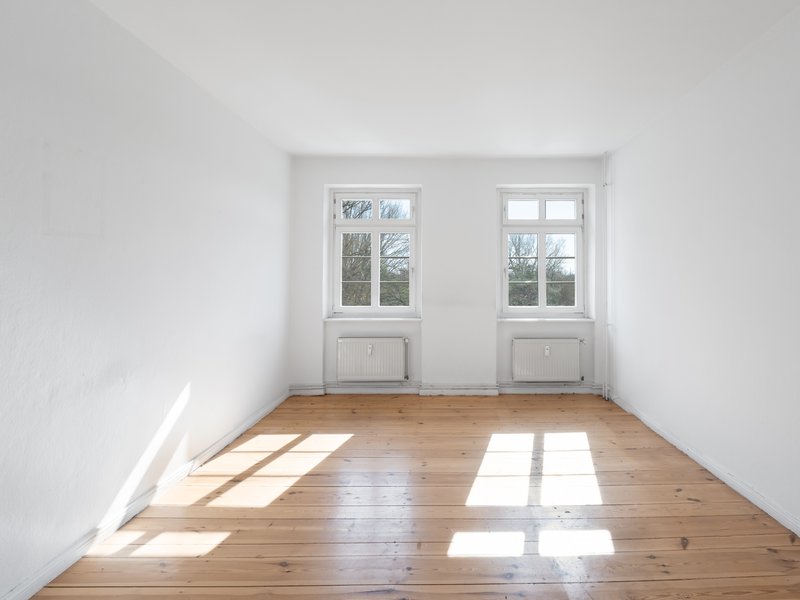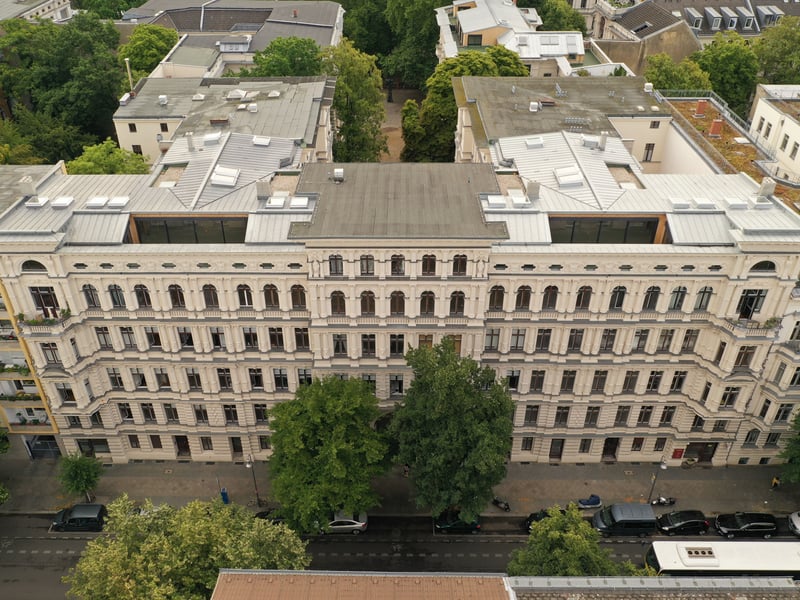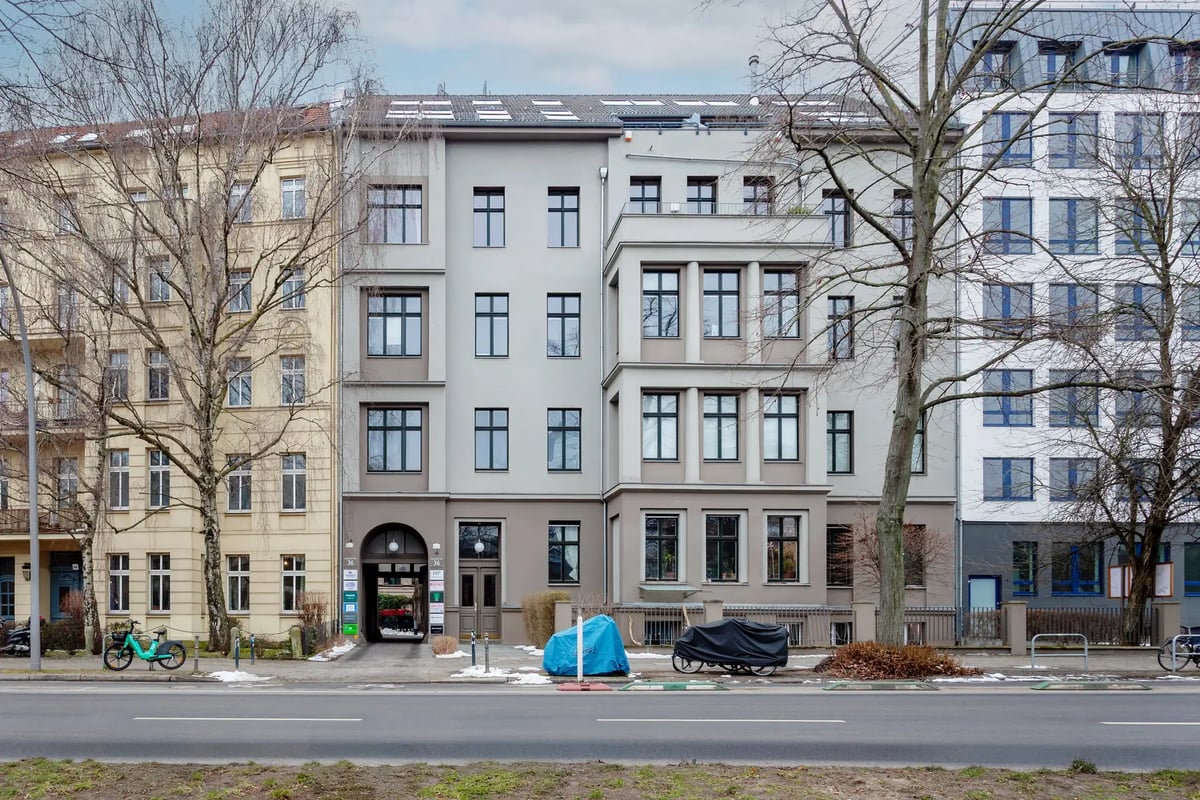


In 2014, the German federal government still owned around 4,000 rental apartments in Berlin, a legacy of the division and the post-reunification period. The Federal Institute for Real Estate Tasks (BImA) wanted to sell the entire portfolio, but it turned out to be harder than expected.
According to the Berliner Zeitung, the bidder who had submitted the best offer pulled out at short notice. The reasons remained unclear.
The state's offer
Urban Development Senator Michael Mueller (SPD) offered to buy all the apartments for the State of Berlin, but only at the appraised value determined by an independent surveyor. That figure was below the market value driven by rising prices on Berlin's housing market.
The state argued it would guarantee stable rents and tenant protection in return. Socially understandable, but economically unattractive for the federal government.
Uncertainty for tenants
The roughly 4,000 tenant households watched the process with concern. Privatisations of housing portfolios in other cities had frequently led to renovations followed by rent increases. The fact that the sale stalled gave tenants at least a reprieve.
Appraised value versus market value
At its core, the conflict was about valuation. The federal government had a fiscal obligation to achieve a fair market price. The state pursued housing policy objectives. Reconciling the two proved difficult. By the end of 2014, the outcome was completely open.
Significance for Berlin's market
In quantitative terms, 4,000 apartments were a small share of Berlin's total stock. But the debate had symbolic weight: it showed the growing tension between public and private housing provision.
For investors, the stalled process was an early indicator. Large-volume portfolios in Berlin could no longer be acquired without complications. The market development was increasingly shaped by political conditions. This trend continued in the following years with rent cap debates and tightened neighbourhood protection rules.