

Berlin's building senator Andreas Geisel (SPD) has called for a "change of attitude." His core argument: Berlin is growing by around 400,000 people by 2030, and housing construction is not keeping pace. 20,000 new apartments per year are needed, 6,000 from state owned housing companies and 14,000 from private developers.
More acceptance, less resistance
"Build everywhere, just not in our neighborhood. That attitude means standstill," Geisel said. In theory, everyone understands that construction is necessary. In practice, projects fail because of local opposition. The senator sees housing construction as a matter of social justice: building must happen in every neighborhood.
Geisel is urging Berliners to be more tolerant of the changes happening in their city. Population growth will happen "with or without us."
Denser, taller, smaller
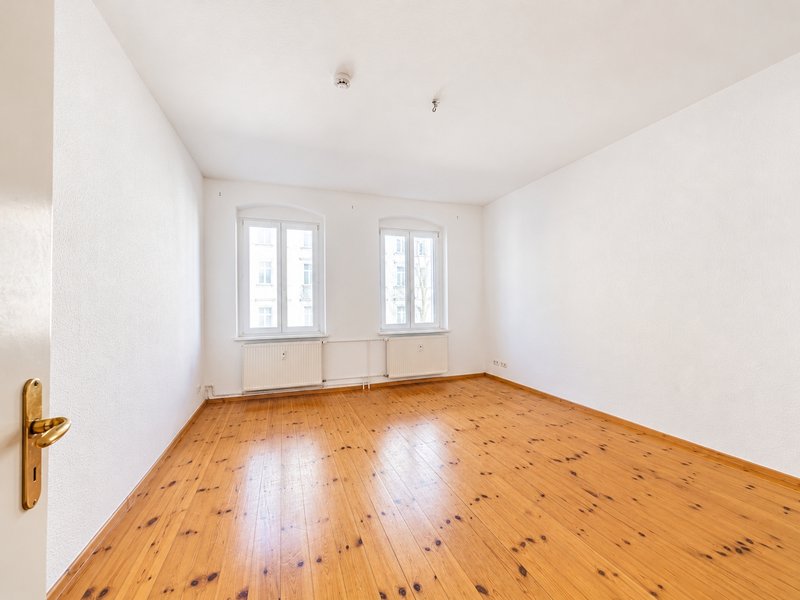
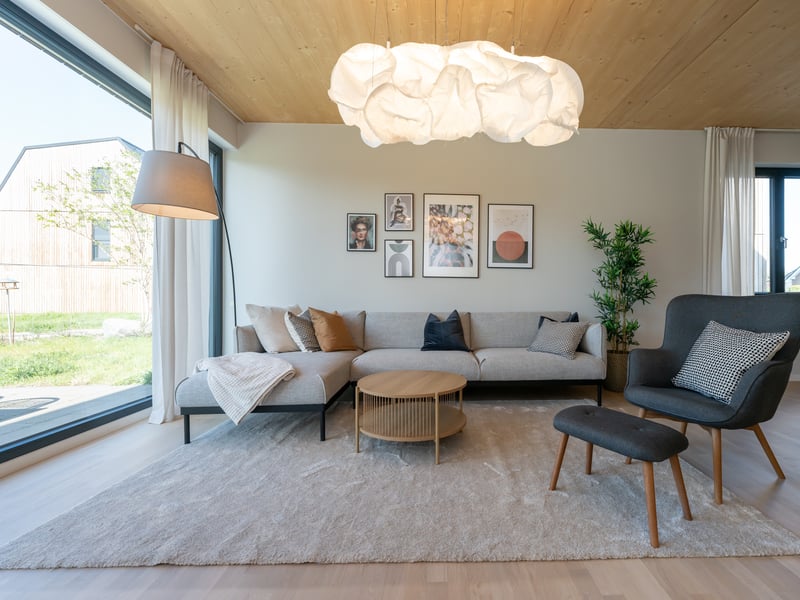
Given limited building land, Geisel is advocating for smaller apartment sizes, consistent densification, and taller structures. Even prefabricated slab buildings are not off the table: "They offer high quality living and are popular with the people who live in them." The problem lies more in monotonous urban planning. The challenge is to achieve high architectural quality even when building densely.
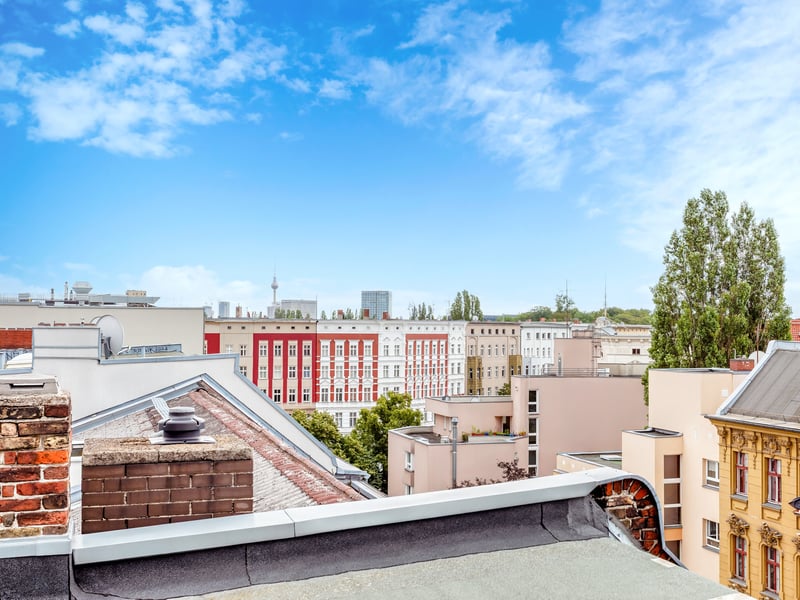
This could open the door to rooftop extensions and infill development, including in densely built boroughs like Mitte.
Rooftop additions and infill align with the political agenda
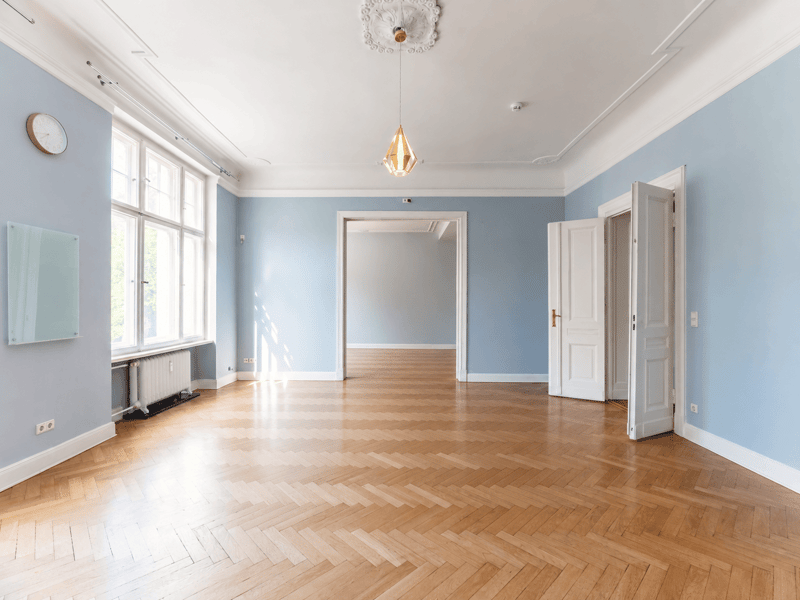
Geisel's demands signal political backing for private construction projects. For investors and owners of apartments in Berlin, rooftop additions, gap-site development and conversions now line up with the political agenda. Smaller units stand to gain wider acceptance.
Winning local approval for each individual project remains the bottleneck. But with 400,000 new residents expected by 2030 and only 20,000 apartments needed per year to keep pace, the demanded course correction is hard to avoid in this market trend.