

Berlin's housing senator Andreas Geisel (SPD) launched a public campaign for more residential construction in 2015. At an event in the Tempodrom near Anhalter Bahnhof, he set the target: "To meet the high demand for housing, more than 100,000 new apartments must be built over the next ten years."
The background: 175,000 new residents
The numbers spoke for themselves. In the previous four years alone, Berlin's population had grown by 175,000. Vacancy rates were at historic lows, and rents and purchase prices for apartments in Berlin were climbing steadily. Without a significant increase in supply, affordable housing would become even scarcer for many segments of the population. The rent brake planned for the same year was another sign of the mounting pressure.
Criticism of local opposition
Geisel criticised residents' resistance to new construction: "Build everywhere, just not in our neighbourhood" was an attitude that led to stagnation and did not fit a growing city. In many boroughs, protests against building projects perceived as too dense, too tall or out of place were a regular occurrence. These delayed projects and tightened supply further.
Where Berlin could build
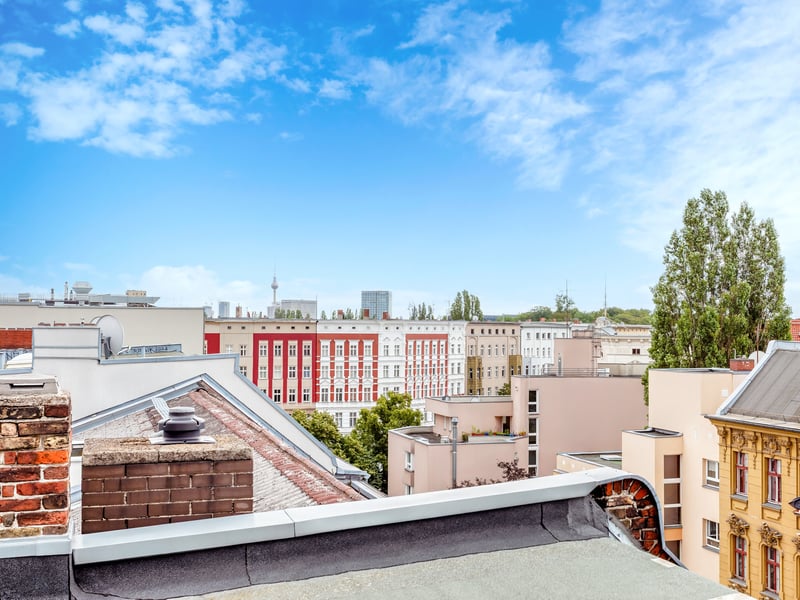
The land for Geisel's construction target lay mainly in densifying existing neighbourhoods, repurposing former commercial and industrial sites and developing new urban quarters on the city's outskirts. In central locations like Mitte, infill development was intended to create housing without sealing more land. In outer boroughs like Marzahn-Hellersdorf, larger contiguous sites were available for new quarters.
What it meant for the property market
Geisel's push was a political signal to investors and developers: Berlin intended to support new construction. The market trend showed high demand against limited supply. For owners and investors, this meant opportunities from strong demand but also risks from lengthy permit procedures and local opposition. The public discussion forums Geisel initiated were a first attempt to build citywide consensus for residential construction.