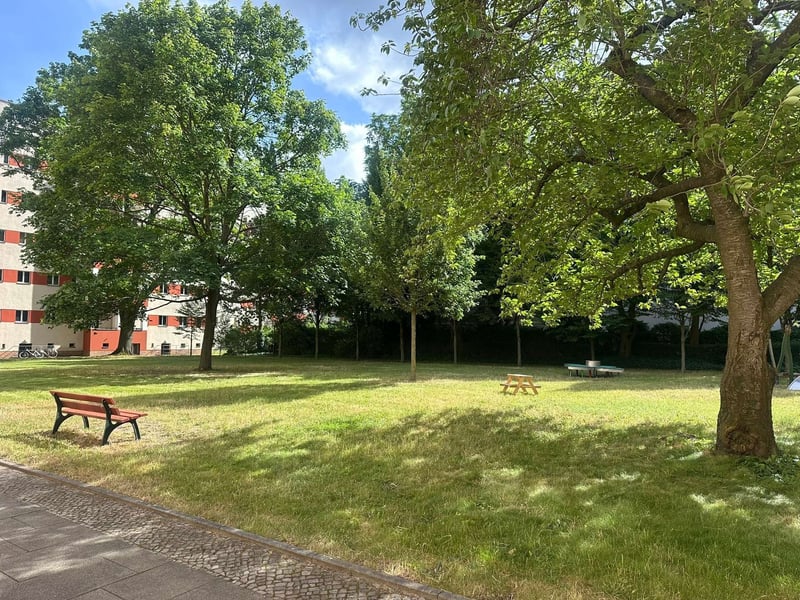


The first tree at Tempelhofer Feld has been planted. State Secretary Christian Gaebler kicked off the landscaping of the park on the former airport site. What had been missing since the area opened to the public in 2010 was shade. That is now changing.
26 trees as a start
In spring 2013, 26 trees are being planted in the area around Alter Hafen. By 2016, the number is to rise to 192, with over 1,500 trees planned for the entire site in the long run. The chosen species is the honey locust, a tree that copes with the conditions on the field: wind, drought, heavily compacted soil, and extreme temperatures in both summer and winter.
Landscape architects Gross.max are also planning benches and new paths in the areas closest to surrounding neighbourhoods. These plans were informed by public dialogues and workshops with Berlin residents.
A water basin fed by rainwater
Construction of a large water basin is also set to begin in 2013. According to State Secretary Gaebler, it will be fed by rainwater that currently flows unused into the sewage system. The basin is intended to increase evaporation and thereby improve the microclimate. The water will also be used for irrigating the park and, in future, for water play features.
Effect on surrounding residential areas
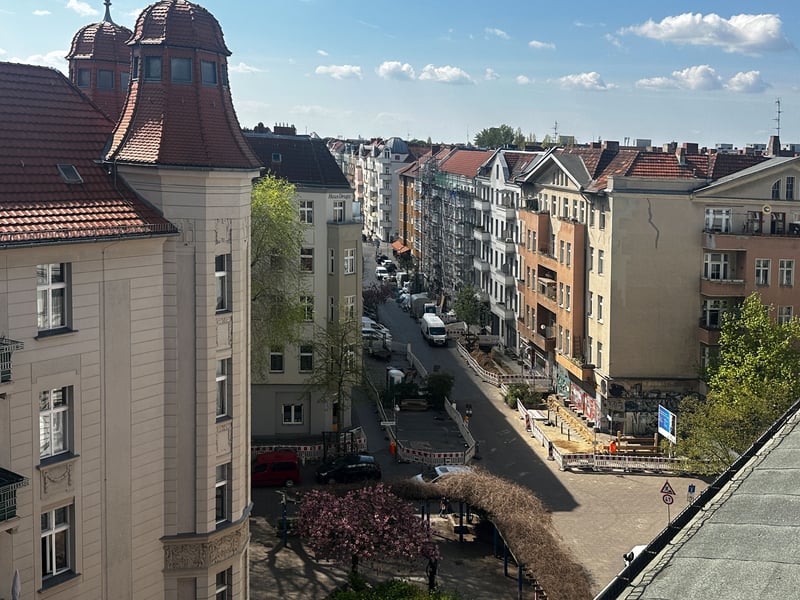
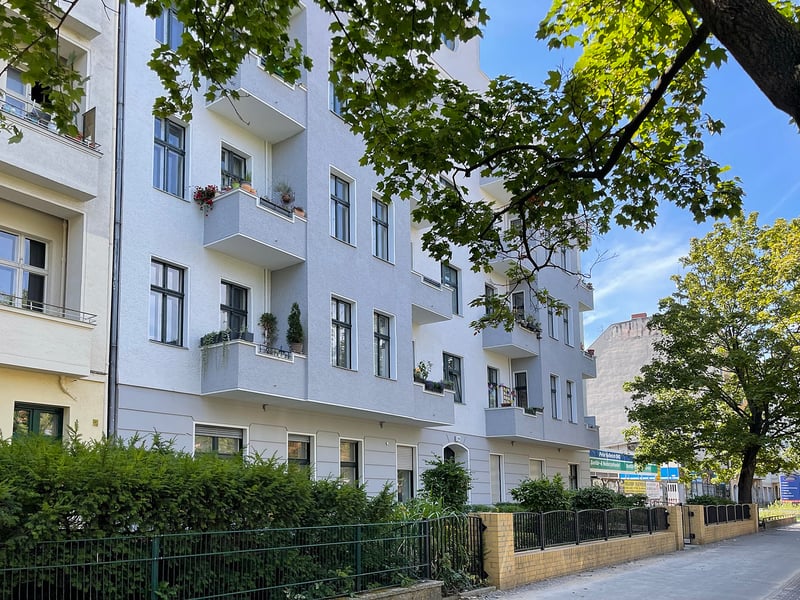
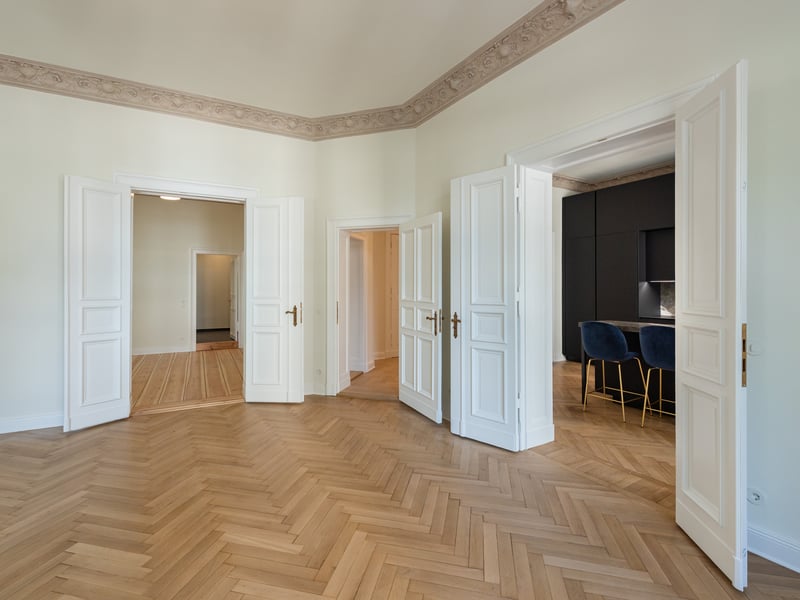
Tempelhofer Feld borders Tempelhof-Schoeneberg and Neukoelln. Investment in public green spaces tends to affect demand for housing in the surrounding area. Whether this translates into prices for apartments depends on several factors, including the ongoing political debate over potential construction at the edges of the field. Market data for the adjacent boroughs already shows rising demand.
The planting is a first, visible step. The bigger questions about whether and how the edges of the field will be developed remain unanswered.