

Germany's Federal Constitutional Court struck down Berlin's rent cap law on 15 April 2021 (Case No. 2 BvF 1/20 et al.). For Berlin's property market, this ended a nearly two year period of legal uncertainty. The consequences for landlords and tenants are significant.
Why the law failed
The court ruled that the state of Berlin lacked the legislative authority to enact its own rent regulation. The federal government had already comprehensively regulated rent law through the Mietpreisbremse (rent brake) and rent increase provisions in the German Civil Code (BGB). There was no room for a state level initiative. The law was unconstitutional from the start.
What changes for landlords
The original rents agreed under the BGB lease contracts are fully valid again. Tenants who had reduced their payments based on the rent cap must now pay the contractual rent. Landlords can claim back the difference that accumulated since the law took effect in February 2020. This also applies to contracts that included a so called shadow rent clause.
Rent arrears must in principle be settled immediately to avoid termination. However, several large housing companies indicated they would offer individual payment plans in hardship cases.
Two years of rent cap: A review
The rent freeze law took effect on 23 February 2020. It froze rents for approximately 1.5 million apartments at June 2019 levels and set maximum rents for new leases. The initiative by Berlin's left wing coalition government was legally contested from the very beginning. Even the former senator who initiated the law had recommended that tenants set aside their savings in case the courts overturned it.
Impact on the housing market
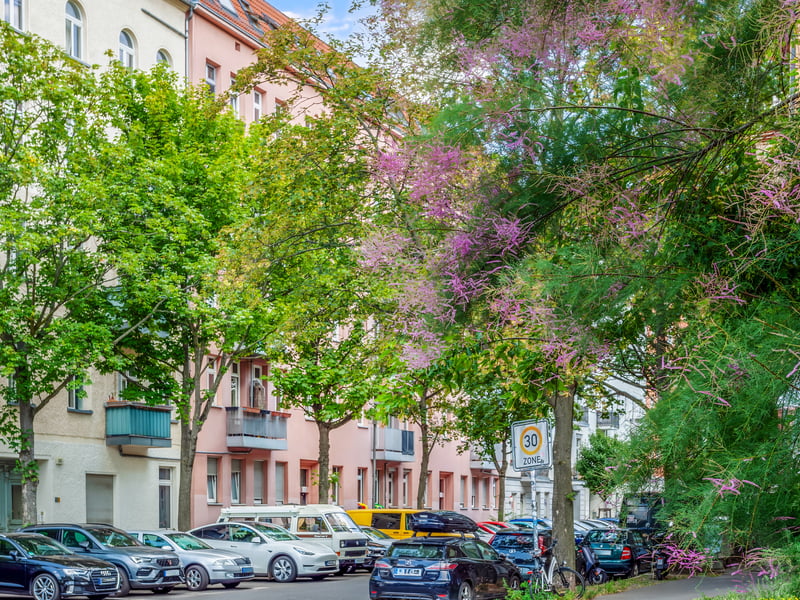
During the rent cap period, the supply of rental apartments in Berlin dropped significantly. Many owners sold their properties or withdrew them from the market rather than renting under uncertain conditions. This intensified the housing shortage, especially in sought after locations like Neukoelln and Mitte. After the ruling, market observers expected a gradual normalization of supply for apartments in Berlin. Actual market developments were slower than expected, partly because the new 2021 rent index initially created additional uncertainty.
Disclaimer
This article is for general information only and does not constitute tax or legal advice. The content does not replace individual consultation with a tax advisor or attorney. No liability is assumed for accuracy or completeness.