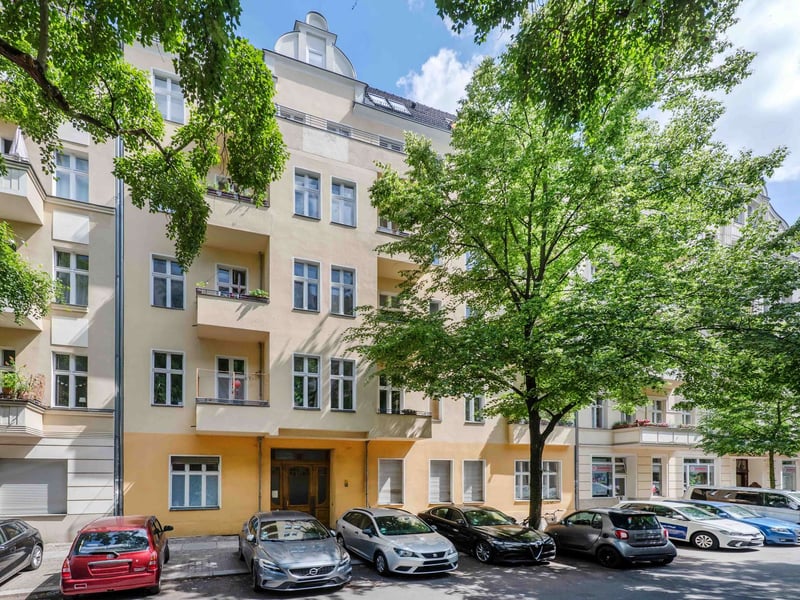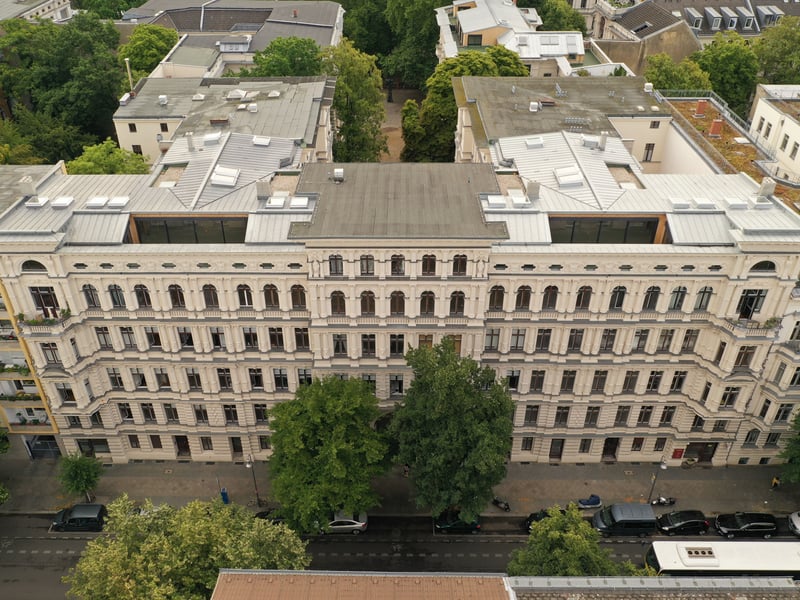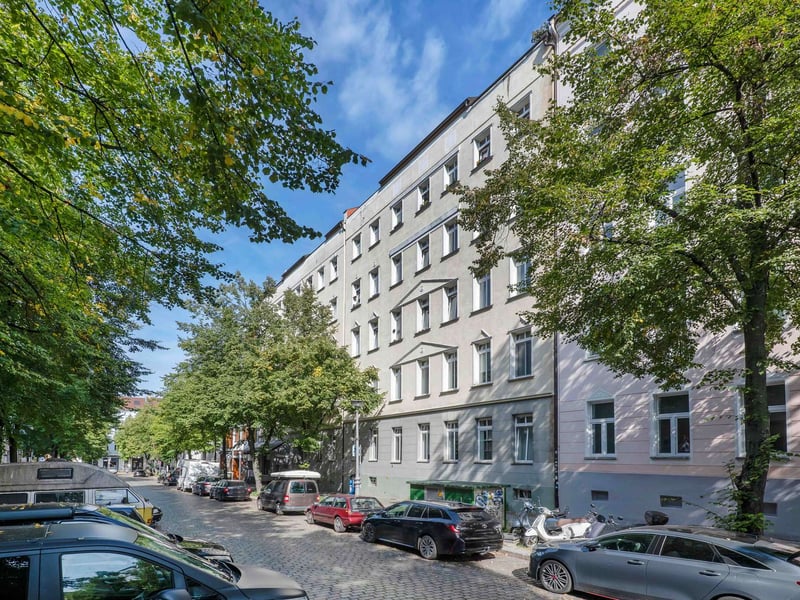


The Building Land Mobilization Act (Baulandmobilisierungsgesetz) came into force on 23 June 2021. The amendment to the German Building Code (BauGB) gives municipalities new tools to regulate tight housing markets. For owners of apartment buildings in Berlin, this has two direct consequences: a conversion ban under Section 250 BauGB and a strengthened pre-emption right under Section 28 BauGB.
Conversion ban: What Section 250 regulates
The law introduces an approval requirement for converting rental apartments into condominiums. In areas with tight housing markets, dividing existing buildings with more than five apartments can be prohibited or made subject to a permit. The regulation is limited until 31 December 2025.
State governments determine the affected areas by ordinance. Under Section 201a BauGB, a tight housing market exists when the rental housing supply is endangered. At least one of the following criteria must be proven: rents rising faster than the national average, household rent burden above the national average, population growth without corresponding new construction, or low vacancy with high demand.
What previously applied only in conservation areas can now be extended to entire boroughs or the whole city. For owners who had planned to divide their buildings, this represents a new legal hurdle.
Strengthened pre-emption right under Section 28
The amendment extends the review period for municipal pre-emption rights from two to three months. Since Berlin's boroughs already used these deadlines to their maximum, transaction timelines will lengthen accordingly. This affects both sellers waiting for payment and buyers planning their financing.
In addition, the word "significantly" was removed from Section 28(3). Previously, municipalities could only pre-empt at assessed market value if the notarized purchase price significantly exceeded that value, which in practice required a gap of 25 to 30 percent. The removal gives boroughs broader discretion to commission appraisals and challenge purchase prices.
Exceptions to the conversion ban
The law provides exceptions for inheritance cases, sales to family members for personal use, and sales of at least two thirds of the apartments to existing tenants. In conservation areas, stricter rules already apply: dividing owners must commit to selling exclusively to tenants for seven years. Berlin also imposes a five year protection against owner occupancy evictions after conversion.
Market impact
The supply of apartments in Berlin from building conversions will shrink. With demand unchanged, purchase prices may rise, especially if new construction does not fill the gap. Germany's already low home ownership rate is likely to fall further. The path from renting to ownership becomes harder, as only more expensive new build projects remain available.
For sellers of apartment buildings, the risk of a borough pre-emption increases. The extended review period and the easier route to a price limited pre-emption raise transaction risks. Owners considering a sale should account for the new rules early in their planning — an experienced Berlin real estate agent understands borough-level pre-emption practice and structures the marketing process accordingly.
Disclaimer
This article is for general information only and does not constitute tax or legal advice. The content does not replace individual consultation with a tax advisor or attorney. No liability is assumed for accuracy or completeness.