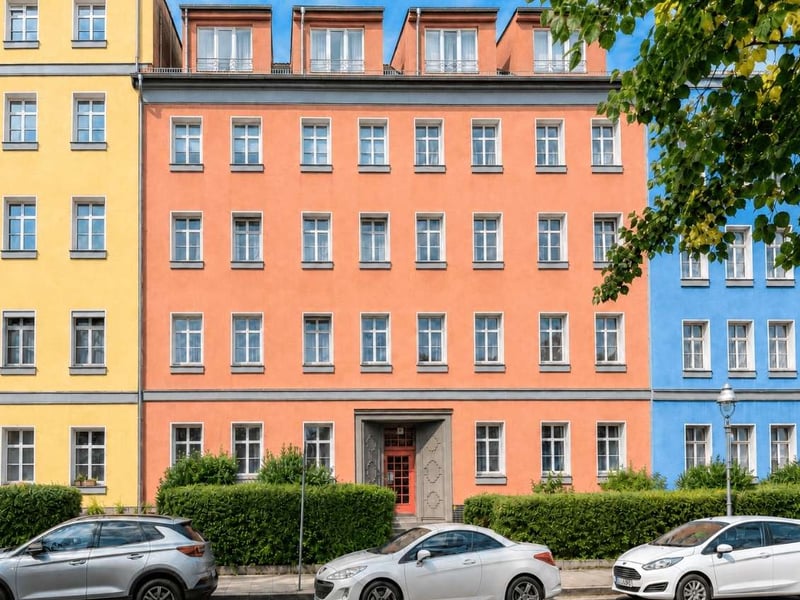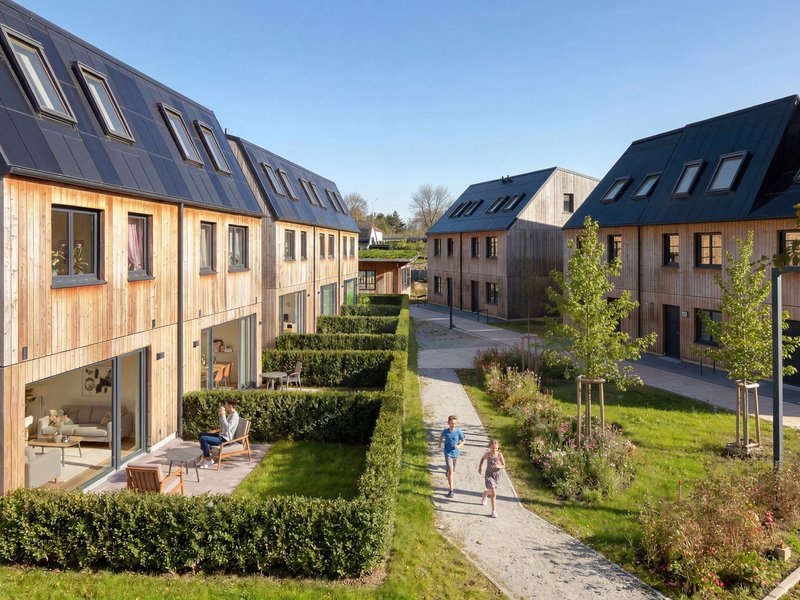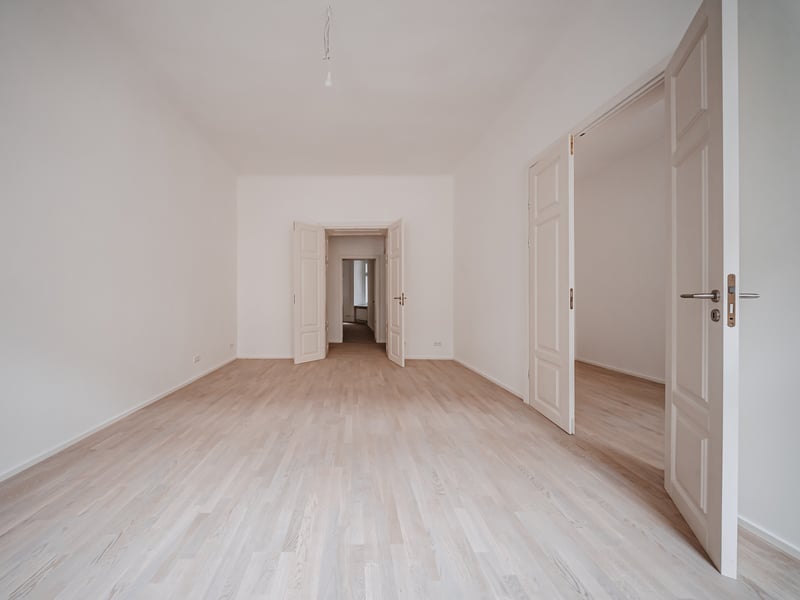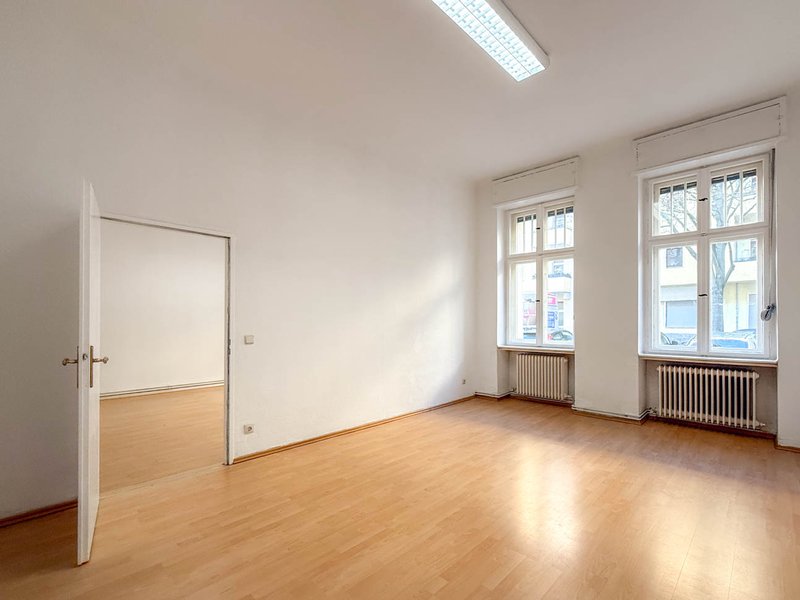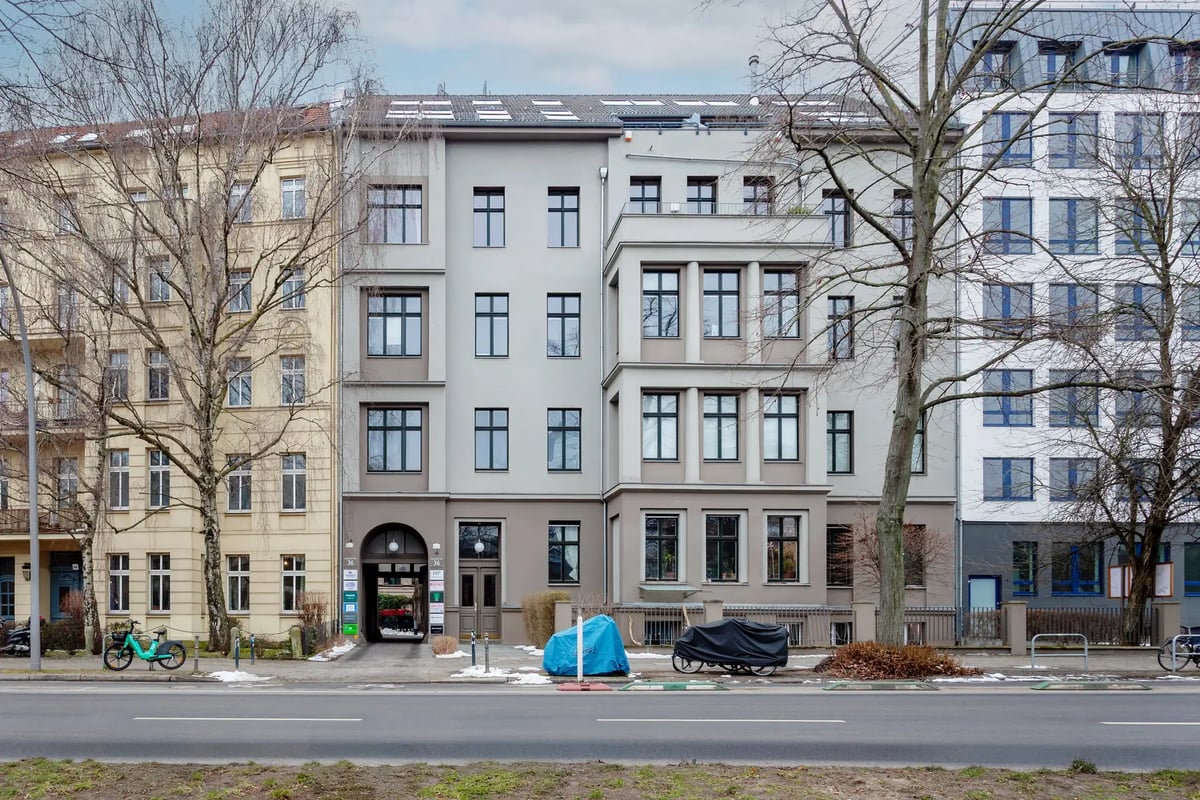


Berlin needs apartments. Mayors, senators and borough politicians say so regularly in front of cameras and microphones. Those who then actually try to build, convert or renovate often experience the opposite of support. Administrative practice in Berlin's building authorities frequently stands in the way of creating new housing.
What developers experience in practice
A balcony extension? Setback regulations. Converting a coach house? Fire safety. A lift? Heritage area restrictions. Each individual objection is often understandable. Taken together, however, they feel like a system designed to prevent change. The original text on which this article is based was written by the managing director of a Berlin property firm and describes the experience as follows: on the door of an employee at the Kreuzberg urban planning office hung a note reading "This is about the principle." That sums up the attitude many applicants encounter.
Time as the biggest obstacle
The administration's most effective tool is not the regulation itself but the waiting time. Files move from department to department. Responsibilities shift. Additional requirements arrive piecemeal: a fire safety report here, a surveyor's plan there, a shadow study on top. In the end, a small project has become so expensive that the numbers no longer work. Or it gets scaled down so much that little of the original plan remains. Market data shows rising demand, but supply cannot keep up when permits take months or years.
Heritage protection areas as a particular hurdle
In boroughs with social preservation statutes, it gets even harder. In parts of Friedrichshain-Kreuzberg, Prenzlauer Berg or Neukoelln, modernisations that go beyond the minimum standard are quickly classified as luxury refurbishments. The goal of protecting existing residents is understandable. In practice, however, it means that necessary renovations do not happen and potential for new housing goes unused.
The contradiction
The political demand for more apartments and the administrative reality in the building authorities do not match. As long as permit processes take this long and present this many obstacles, housing construction in Berlin will fall short of its potential. Even the best declarations of intent cannot change that.
Disclaimer
This article is for general information only and does not constitute tax or legal advice. The content does not replace individual consultation with a tax advisor or attorney. No liability is assumed for accuracy or completeness.