

Two regulations took effect at the start of 2016 that directly affect property owners in Berlin: a mandatory smoke detector requirement and tightened energy efficiency standards under the EnEV.
Smoke detectors: Berlin catches up
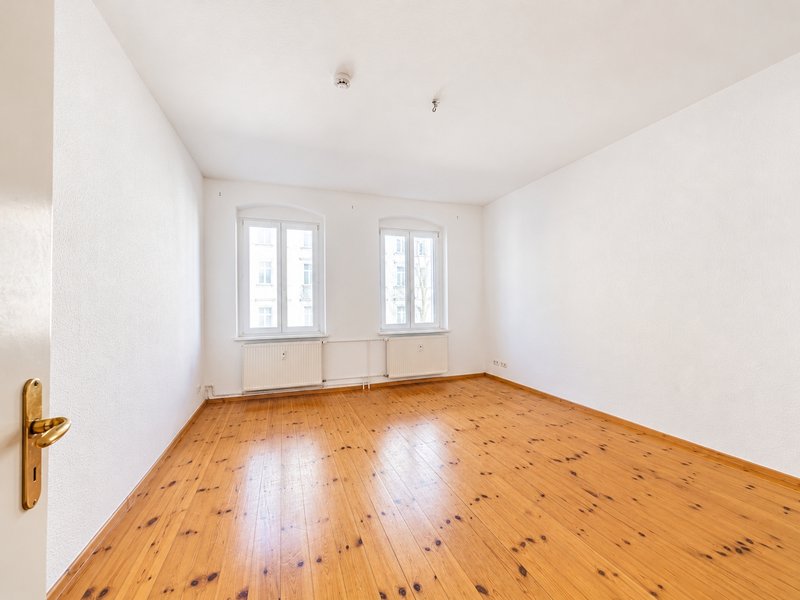
Following an amendment to the Berlin Building Code, smoke detectors have been mandatory in all new buildings since 1 January 2016. They must be installed in all habitable rooms such as living rooms, bedrooms and children's rooms, as well as in hallways that serve as escape routes. Kitchens and bathrooms are exempt. Berlin was one of the last federal states to introduce this rule.
For existing buildings, a transition period applies: retrofitting must be completed by 31 December 2020 at the latest.
Costs and recoverability
Installing smoke detectors counts as a modernisation measure. Landlords may pass on up to 11 per cent of the installation costs annually to the net cold rent. Ongoing maintenance costs are also recoverable as operating expenses.
One detail worth noting: even if a tenant has already installed their own devices, the landlord remains responsible for proper installation and operational readiness.
Stricter energy standards for new builds
The second phase of the EnEV 2014 also took effect on 1 January 2016. For new buildings, the permitted annual primary energy demand was reduced by 25 per cent. Building insulation must be on average 20 per cent better than before. For existing residential buildings, nothing changed unless a comprehensive renovation was being carried out.
Impact on construction costs
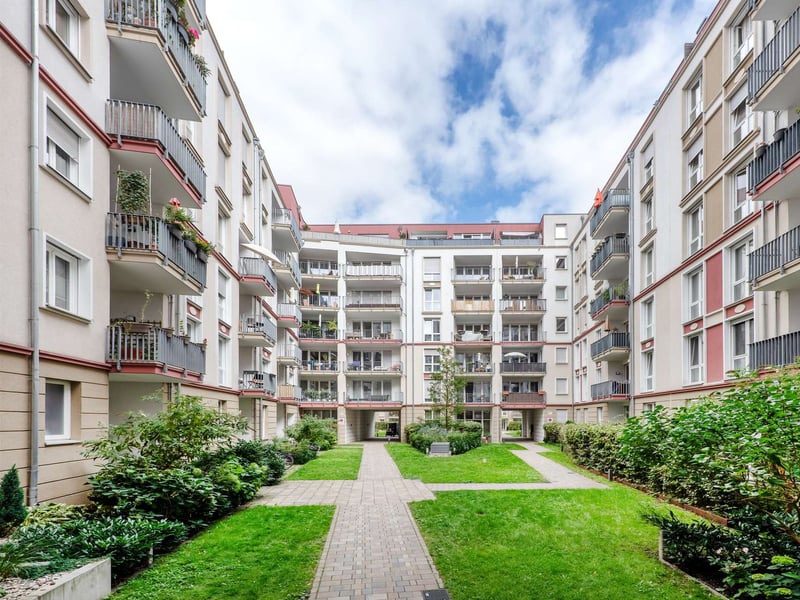
The stricter energy standards raise construction costs for new development projects. This applies to projects in central boroughs like Charlottenburg-Wilmersdorf as well as in peripheral locations. In the longer term, however, higher standards can lead to lower operating costs, which matters to tenants.
Both regulations change the cost structure for Berlin property and should be factored into purchase and investment decisions.
Disclaimer
This article is for general information only and does not constitute tax or legal advice. The content does not replace individual consultation with a tax advisor or attorney. No liability is assumed for accuracy or completeness.