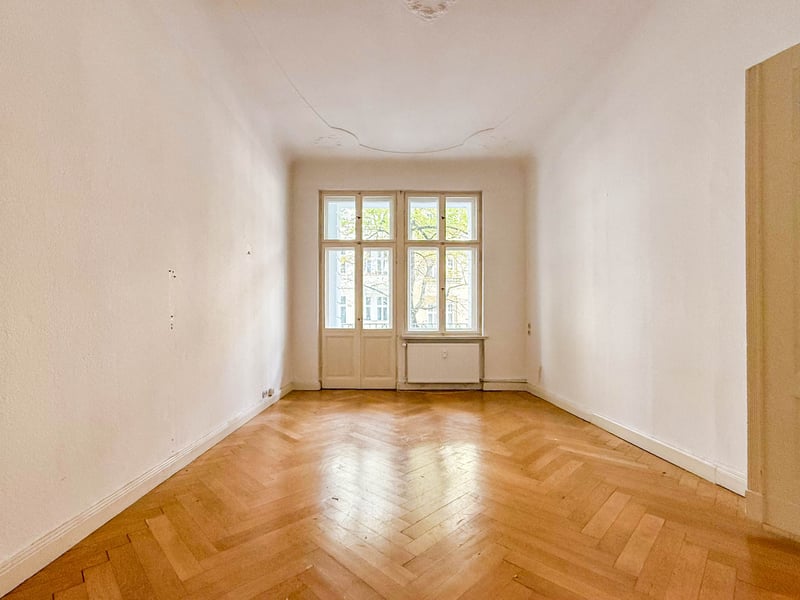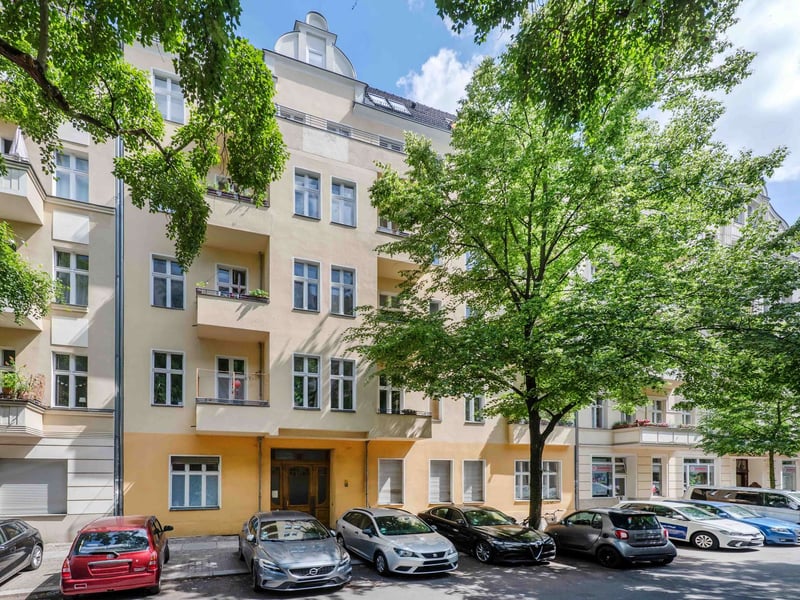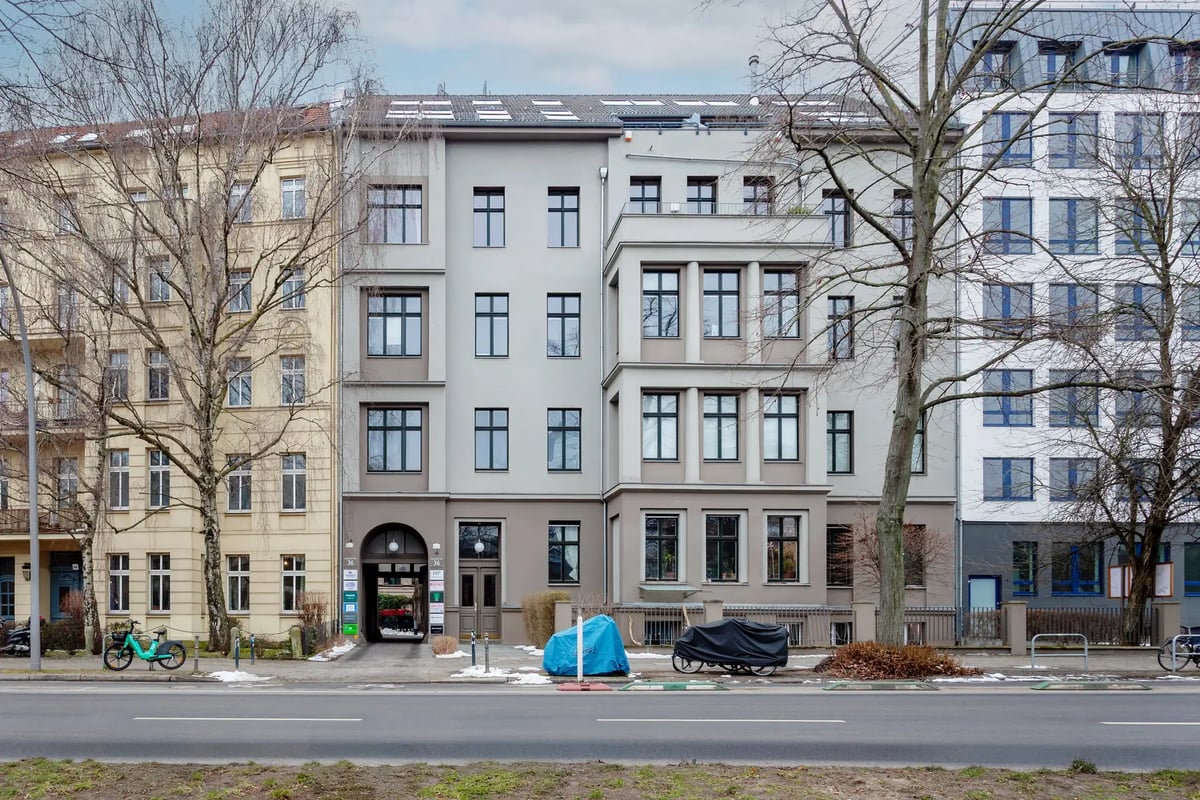


In early March 2015, Berlin's Senate set out to pass a condominium conversion regulation. The rule would make it substantially harder for owners in social preservation areas (Milieuschutzgebiete) to split apartment buildings into individual condominiums. For investors relying on the so-called splitting model, the rules of the game were about to change.
Starting point: nearly 10,000 conversions per year
The regulation was a response to rising conversion numbers. According to the Senate Department for Urban Development, the annual number of converted rental apartments was approaching 10,000. The business model was profitable: individually sold condominiums typically yielded a higher total than selling an entire rental building. The Senate, however, saw this as a driver of displacement among lower-income tenants.
The core of the regulation: mandatory permits
Going forward, conversions in social preservation areas were to require approval from the borough office. Previously, a declaration of division filed with the land registry had been sufficient. Permits would only be granted under conditions, such as committing to sell apartments exclusively to existing tenants for seven years.
Dozens of neighbourhoods were affected, particularly in Pankow (Prenzlauer Berg), Friedrichshain-Kreuzberg, Tempelhof-Schoeneberg and Neukoelln. In these locations, profitable conversions were effectively blocked or tied to costly requirements.
The positions
Senator for Urban Development Andreas Geisel (SPD) defended the move: "With the conversion ban, we finally have another policy tool to help protect Berlin tenants from displacement and rising rents."
The IVD Berlin-Brandenburg, a property industry association, criticised the plans sharply. Chairman Dirk Wohltorf called it a "dangerous deal" and an infringement of property rights. The association also argued that the Senate was taking away tenants' chance to acquire property in their own neighbourhood, which would have protected them from future rent increases.
Market consequences
The regulation shifted investors' strategic focus towards locations outside the preservation areas and towards new development projects that were not subject to the rule. For owners of existing properties in the protected zones, the appeal of splitting declined. The market development of subsequent years showed that transaction activity did indeed shift.
Disclaimer
This article is for general information only and does not constitute tax or legal advice. The content does not replace individual consultation with a tax advisor or attorney. No liability is assumed for accuracy or completeness.