

Berlin's Senate, led by Building Senator Andreas Geisel (SPD), has passed a so-called approval requirement for the conversion of rental buildings into condominiums. In social preservation areas (Milieuschutzgebiete), borough offices can now refuse permission.
What changed
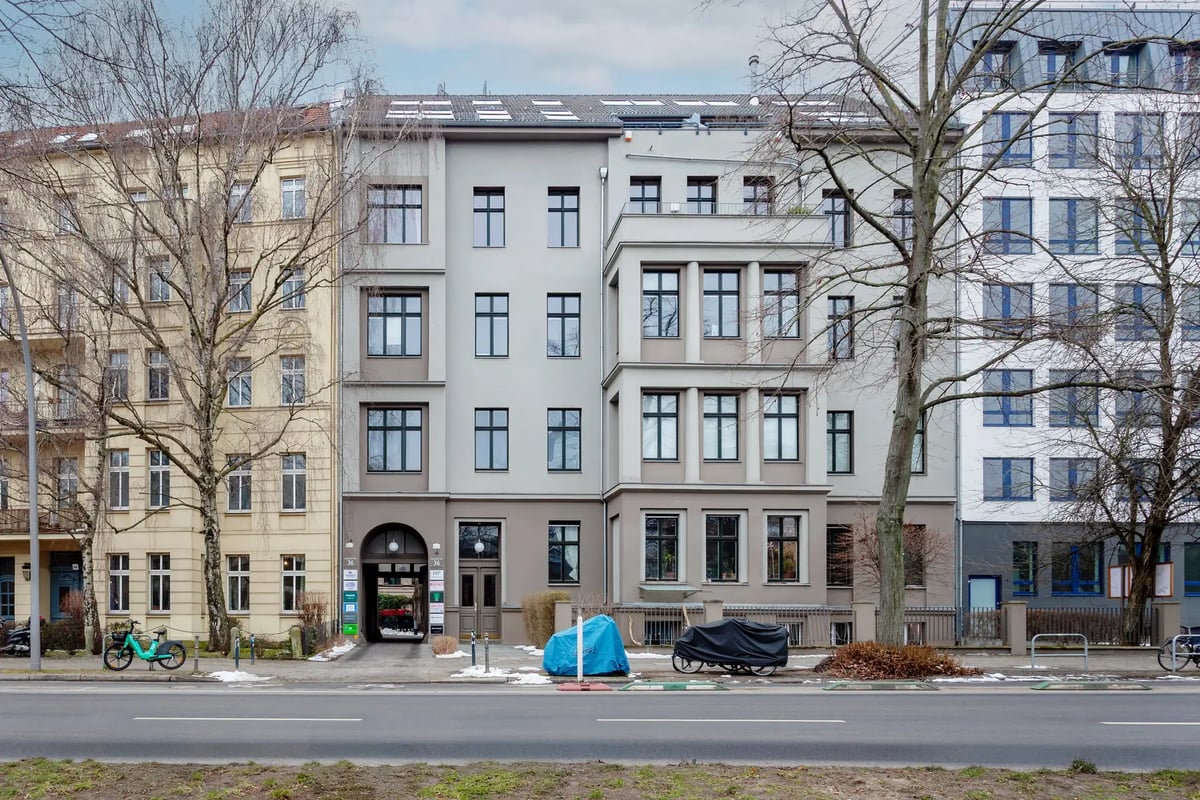
Previously, splitting a building into individual units had been largely a formality. Going forward, owners of apartment buildings in social preservation areas must apply for approval at the borough office. The borough can refuse if the conversion would lead to the displacement of existing residents. The rule is designed to protect the stock of affordable rental apartments in high-demand locations.
Which areas are affected
The measure applies in 21 social preservation areas designated by ordinance. Around 300,000 Berliners live in these zones. Key concentrations are in Pankow (especially Prenzlauer Berg), Friedrichshain-Kreuzberg, Tempelhof-Schoeneberg and Mitte. Owners should check whether their property falls within one of these areas, as it affects their strategy for the property.
Criticism of the decision
The decision was controversial. The Senate saw it as a tool for tenant protection. Critics argued that it denied tenants the opportunity to buy property in their own neighbourhood. Rather than encouraging home ownership, the rule made it harder. There were also concerns that modernisation work in the affected buildings would stall.
Market data at the time
At the same time as the decision, the state statistics office reported an inflation-adjusted increase in net cold rents of 0.1 percent for February 2015 compared with the previous year. The increase was modest, but political pressure to intervene in the market was high.
Market impact
The common business model of splitting a rental building into individual apartments and selling them separately was effectively blocked in the affected areas. This could reduce the value of unsplit rental buildings in those locations. Whether the regulation achieved its goal or simply prevented modernisation only became apparent in the years that followed. The market development suggested that investment behaviour in the affected neighbourhoods did change.
Disclaimer
This article is for general information only and does not constitute tax or legal advice. The content does not replace individual consultation with a tax advisor or attorney. No liability is assumed for accuracy or completeness.