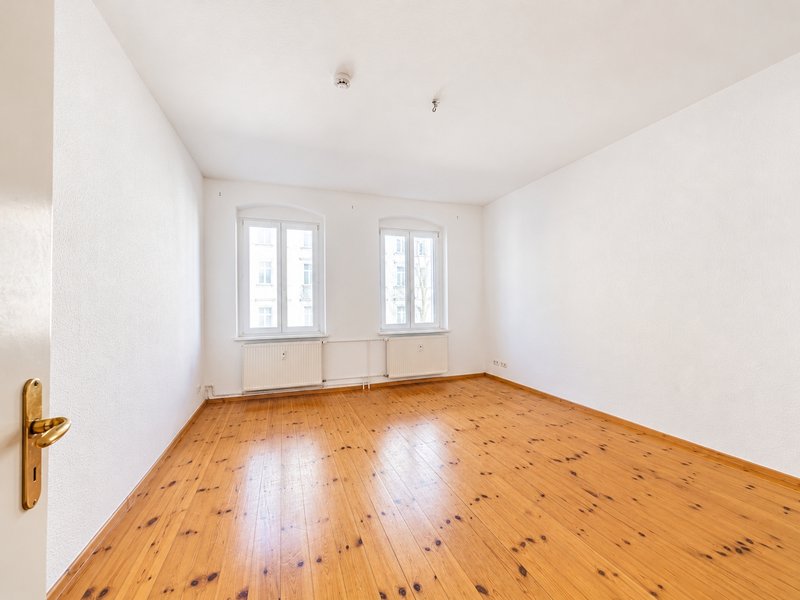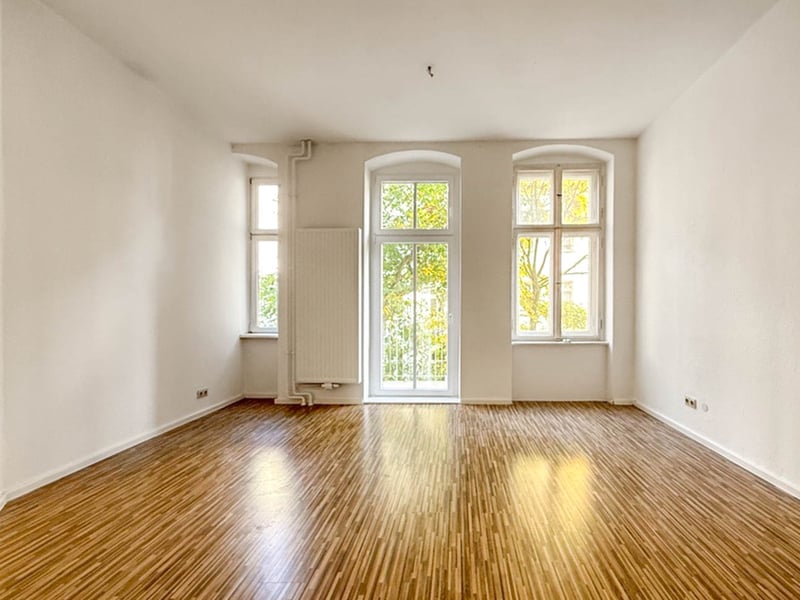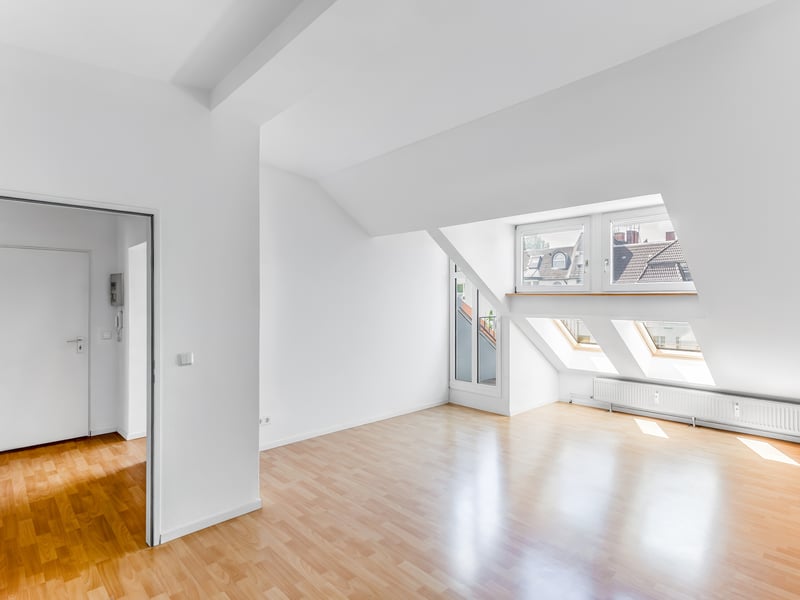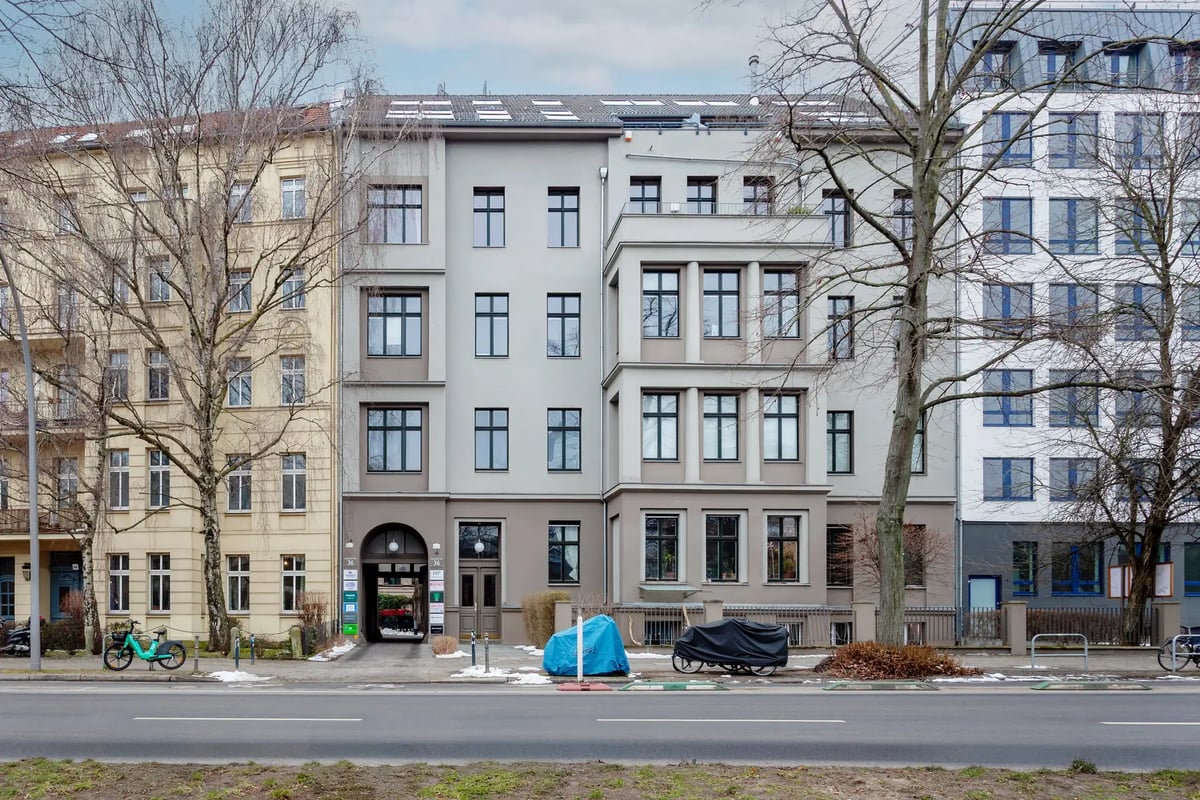


Germany's Federal Court of Justice (BGH) has strengthened the position of landlords when it comes to apartment handovers. Tenants who painted their walls in bold or unusual colours must restore them to a neutral shade before moving out. The landlord's claim rests not on the cosmetic repairs clause but on general damage law.
Damage law, not cosmetic repairs
The court's reasoning: an unusual wall design that makes re-letting more difficult constitutes damage to the landlord. If the decoration is unacceptable to a "broad range of prospective tenants" and the landlord has to remove it at their own expense, the tenant is liable. Either by repainting the walls themselves or by covering the painter's costs.
The decisive point: this ruling applies even when the cosmetic repairs clause in the lease is invalid. Many older rental contracts contain rigid deadline provisions that do not hold up in court. Nevertheless, the landlord can now claim damages for extreme wall colours.
Practical relevance in Berlin
In a city with a tenant base as diverse as Berlin's, the ruling carries real practical weight. In neighbourhoods like Friedrichshain-Kreuzberg or Neukoelln, where individual apartment decoration is common, disputes over the state of walls at move-out were frequent. The ruling now gives landlords a clear legal basis.
For owners in Mitte or Charlottenburg, the decision is equally relevant: neutral walls at tenant changeover speed up re-letting and avoid additional renovation costs.
Recommendations for landlords
To prevent later disputes, it helps to document the condition of the walls carefully in the handover report, ideally with photographs. At the start of the tenancy, tenants should be informed that a neutral finish is expected at move-out if they choose to paint the walls. While this is not a legal requirement, it avoids unnecessary conflict.
Disclaimer
This article is for general information only and does not constitute tax or legal advice. The content does not replace individual consultation with a tax advisor or attorney. No liability is assumed for accuracy or completeness.