

Berlin's Administrative Court has overturned an order by the Charlottenburg-Wilmersdorf borough office in an interim decision (case no. VG 1 L 317.15). The borough had required the owner to refurbish a residential building that had been vacant since 2011. Instead, the owner may proceed with plans for demolition and new construction.
The case
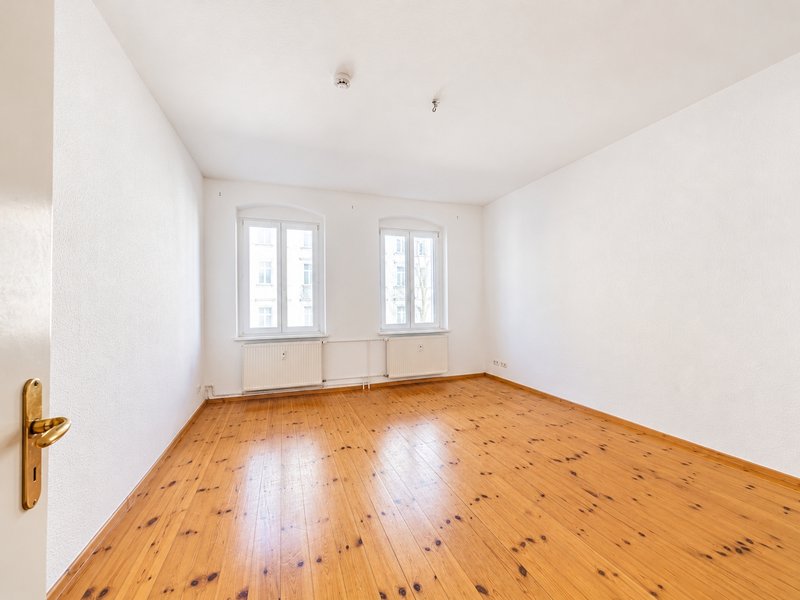
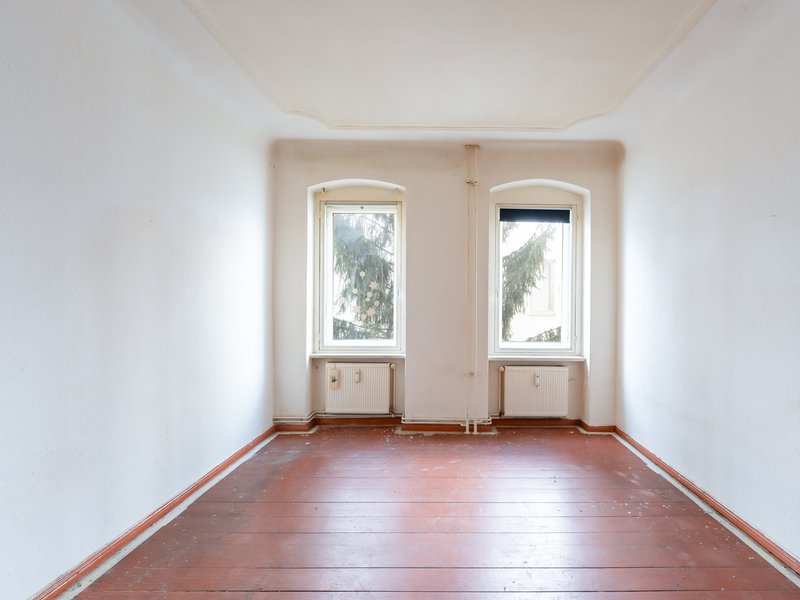
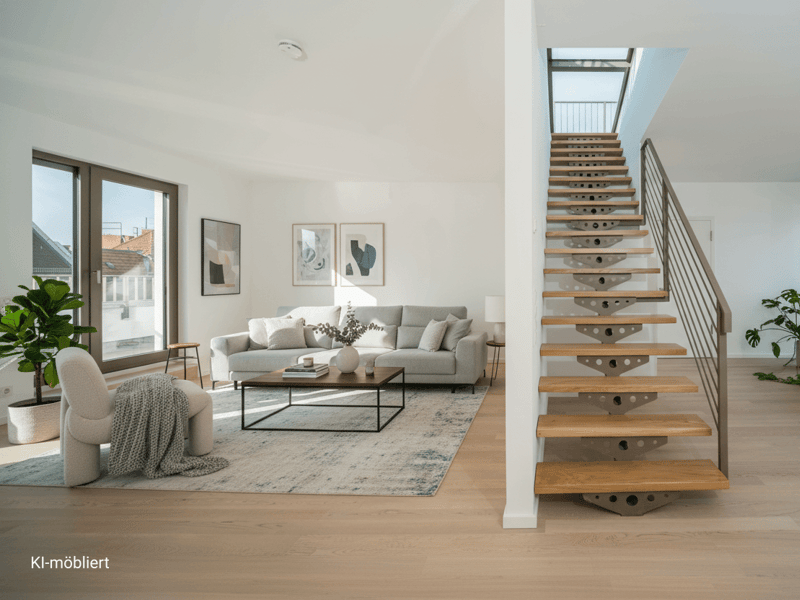
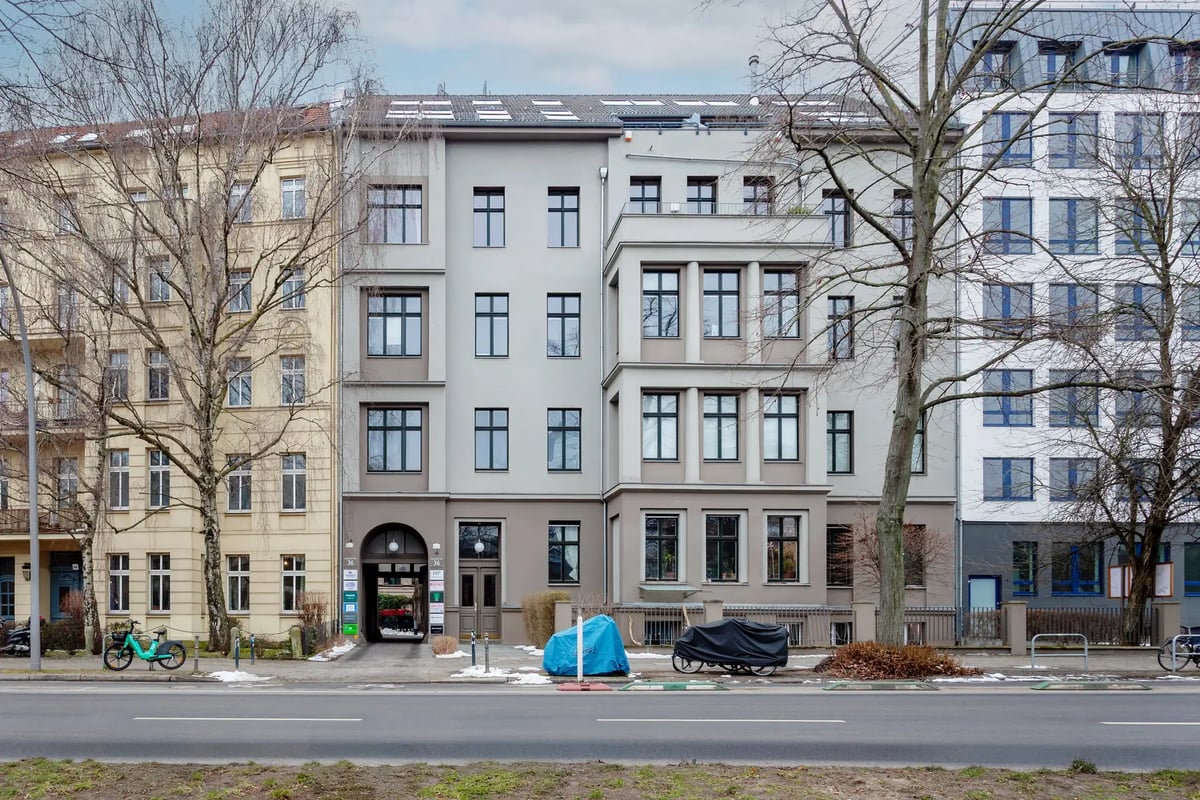
The property in Wilmersdorf is a six-storey residential building with 15 apartments, empty since 2011. The owner plans to demolish it and build a new block with 58 freehold apartments ranging from 40 to 96 square metres. The borough office had ordered refurbishment, arguing that affordable housing would be destroyed.
The court's reasoning
The court disagreed. The loss of housing through demolition is acceptable when replacement housing is created at the same time. The housing protection law in force since 2014 is intended to prevent apartments from being withdrawn from the market through conversion into commercial space or holiday rentals. It is not meant to block the creation of new housing.
Three points from the ruling are relevant for owners: anyone demolishing must reliably provide quantitative replacement. Converting from rental to freehold apartments is permissible. A higher fit-out standard is also no obstacle, as long as the result is not luxury property.
Significance for the Berlin market
The decision strengthens the position of owners who want to replace outdated building stock with new developments. Projects of this kind could become easier to implement in other boroughs as well.
However, this is an interim decision. The borough office may appeal to the Higher Administrative Court of Berlin-Brandenburg. A final ruling is still pending. But the current direction of case law gives owners and investors in Berlin's apartment market an initial point of reference.
Disclaimer
This article is for general information only and does not constitute tax or legal advice. The content does not replace individual consultation with a tax advisor or attorney. No liability is assumed for accuracy or completeness.