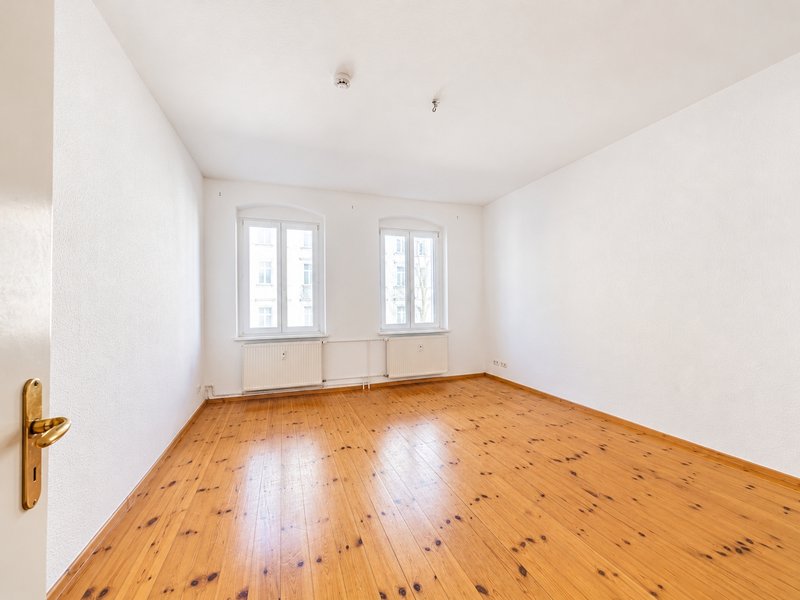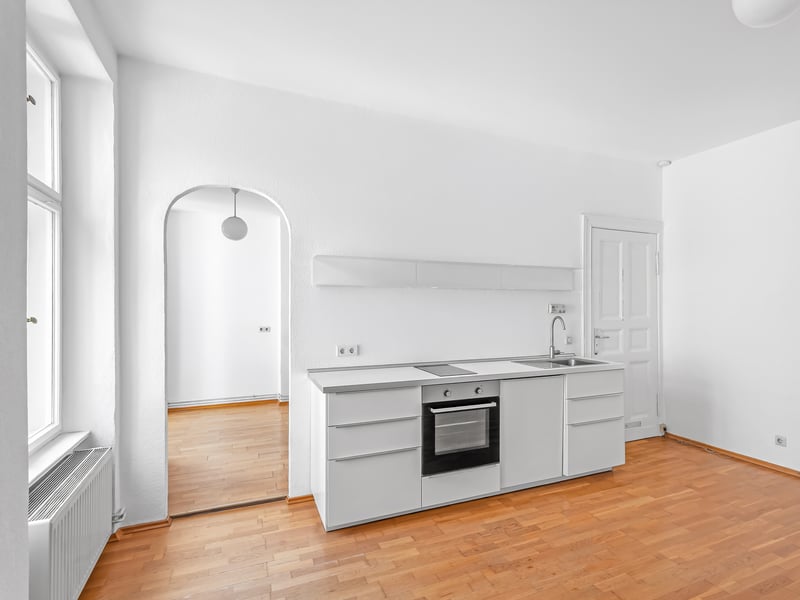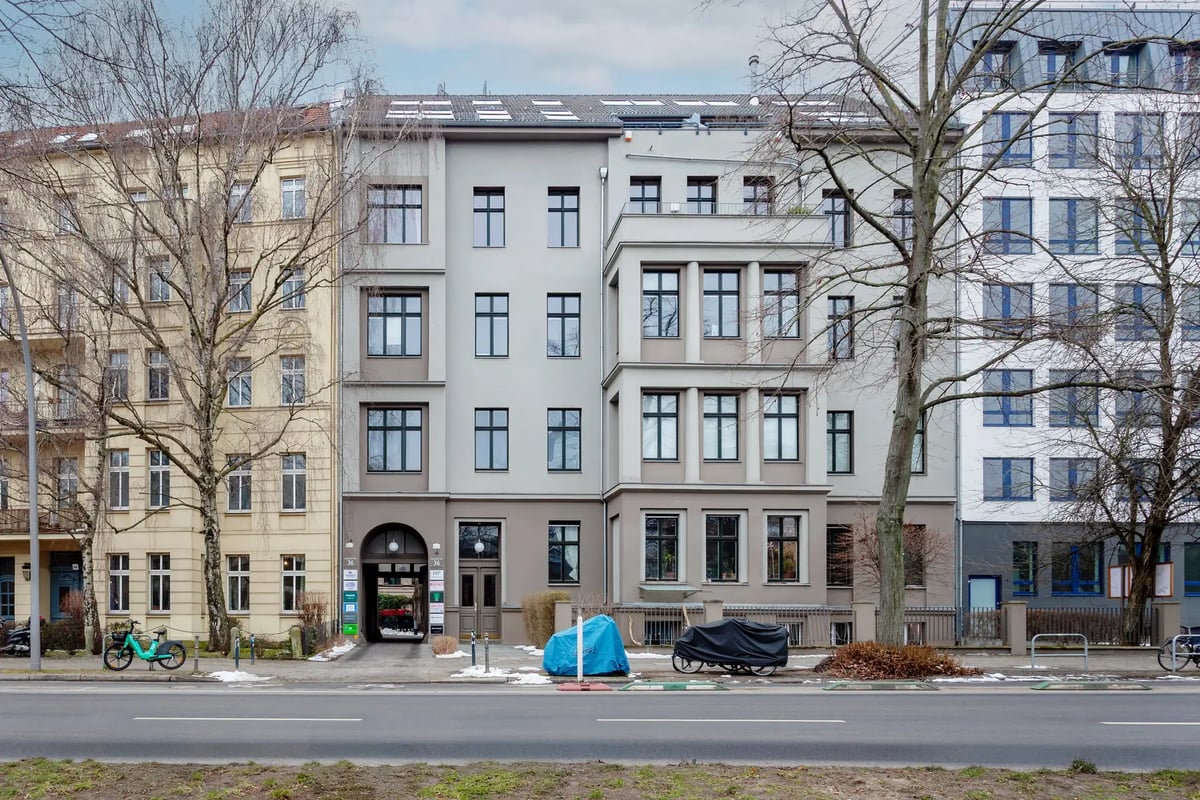


Berlin's boroughs have been using pre-emption rights aggressively in conservation areas (Milieuschutzgebiete). A ruling by the Berlin Administrative Court on April 26, 2017 has now set limits on this practice and strengthened the position of owners and investors. For anyone selling or acquiring apartments in Berlin, this matters, and it is another reason to engage an experienced Berlin agent.
What is the pre-emption right in conservation areas?
In conservation areas under Section 172 of the Building Code (BauGB), boroughs hold a pre-emption right under Section 24 BauGB. The aim: protect the composition of the residential population and prevent displacement of lower-income households. When a property is sold, the borough can step into the purchase contract, often in favor of municipal housing companies or cooperatives. Boroughs like Friedrichshain-Kreuzberg, Pankow, and Neukoelln have used this instrument for years.
The ruling: speculation allegations are not enough
In the specific case from Berlin-Schoeneberg, the borough exercised its pre-emption right and additionally enforced a purchase price reduction. Its reasoning: the purchase price was speculatively inflated, and the buyer had refused to sign a waiver agreement. The Administrative Court did not follow this argument. The judges made clear that the mere suspicion that a buyer is a speculator is not sufficient to justify the pre-emption right. The borough must concretely demonstrate that the sale endangers the goals of the conservation regulations.
Waiver agreements under scrutiny
To avert the pre-emption right, buyers are asked to accept far-reaching obligations that often go beyond the statutory requirements of conservation regulations, such as waiving condominium conversion for many years. The ruling suggests that a buyer cannot be deemed unreliable simply because they decline to sign an economically disadvantageous agreement.
Purchase price reduction questioned
Particularly significant for sellers: the practice of reducing the purchase price under Section 28(3) BauGB. In this case, the owner had received bids up to 7.8 million euros in a tender process. The borough set the price at 6.32 million euros, arguing the purchase price exceeded the market value. The court disagreed here as well. A price achieved in a transparent bidding process cannot simply be dismissed as speculative.
More predictable transactions in conservation areas
The ruling brings more legal certainty for sellers and buyers in Berlin's conservation areas. Boroughs may not exercise their pre-emption rights arbitrarily; their decisions must be substantiated. For sales in Friedrichshain-Kreuzberg, Pankow and Neukoelln, transactions should become more predictable again (market data).
Disclaimer
This article is for general information only and does not constitute tax or legal advice. The content does not replace individual consultation with a tax advisor or attorney. No liability is assumed for accuracy or completeness.