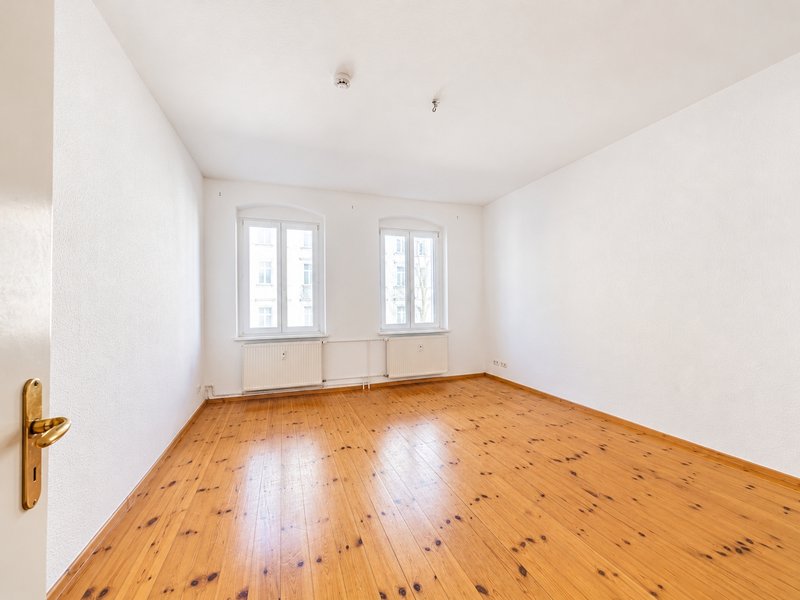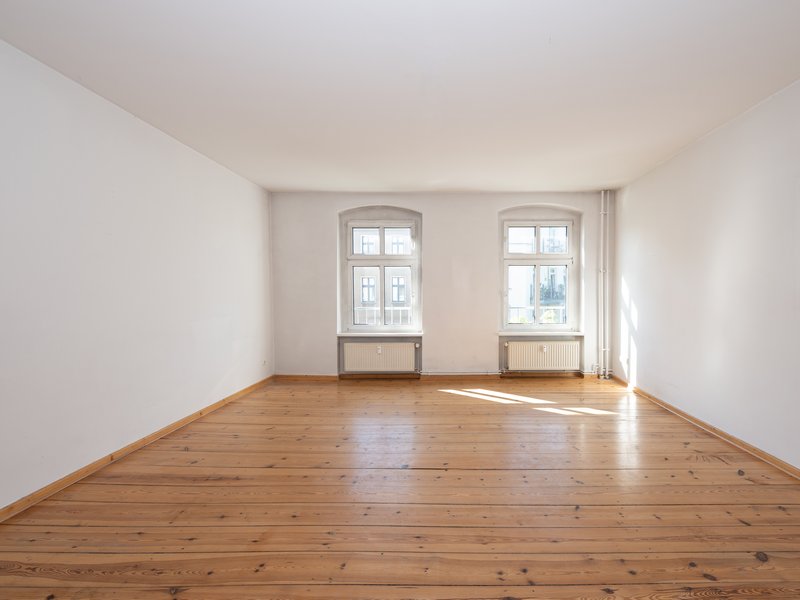


The rent cap was still a done deal in the coalition agreement. But the draft bill from Justice Minister Heiko Maas (SPD) is now facing resistance within the coalition. The law is supposed to pass before summer 2014 and take effect in 2015.
What the draft regulates
In areas with tight housing markets, rent on re-letting would be capped at ten percent above the local reference rent. The regulation is limited to five years. Berlin will almost certainly be classified as a tight market across the entire city. The rent index (Mietspiegel) becomes the central benchmark for calculating permitted rents when tenants change.
For owners and investors in boroughs like Mitte or Neukoelln, where rents have risen sharply in recent years, this limits free pricing on re-letting. The precise calculation of the local reference rent becomes the deciding factor for future yields on apartments in Berlin.
Exceptions: New developments and comprehensive renovation
The draft includes exceptions. First time lettings of new developments are exempt from the rent cap. So are apartments that have been so comprehensively renovated that costs reach roughly one third of a comparable new build. Renovation costs can be passed on to tenants at ten percent per year, up to full amortization. For investment buyers, new construction remains a segment where rent can be freely calculated.
Commissioning principle as an additional change
Alongside the rent cap, the government is planning the so called commissioning principle (Bestellerprinzip) for brokerage fees. Going forward, whoever commissions the broker pays the fee. For residential rentals, that is typically the landlord. Previously, tenants in Berlin bore costs of usually two months' net cold rent plus VAT. For landlords who rely on brokerage services, this is a new direct cost item.
Criticism and open questions
Deputy leader of the CDU/CSU parliamentary group Thomas Strobl criticizes the draft sharply. It creates legal uncertainty and drives "the rental parties to courts and expensive proceedings." Indeed, questions remain open: How legally sound are the rent indices? How will the regulations be structured in detail? Until the law is passed, owners need to follow the market development closely to realistically assess the impact on their properties.
Disclaimer
This article is for general information only and does not constitute tax or legal advice. The content does not replace individual consultation with a tax advisor or attorney. No liability is assumed for accuracy or completeness.