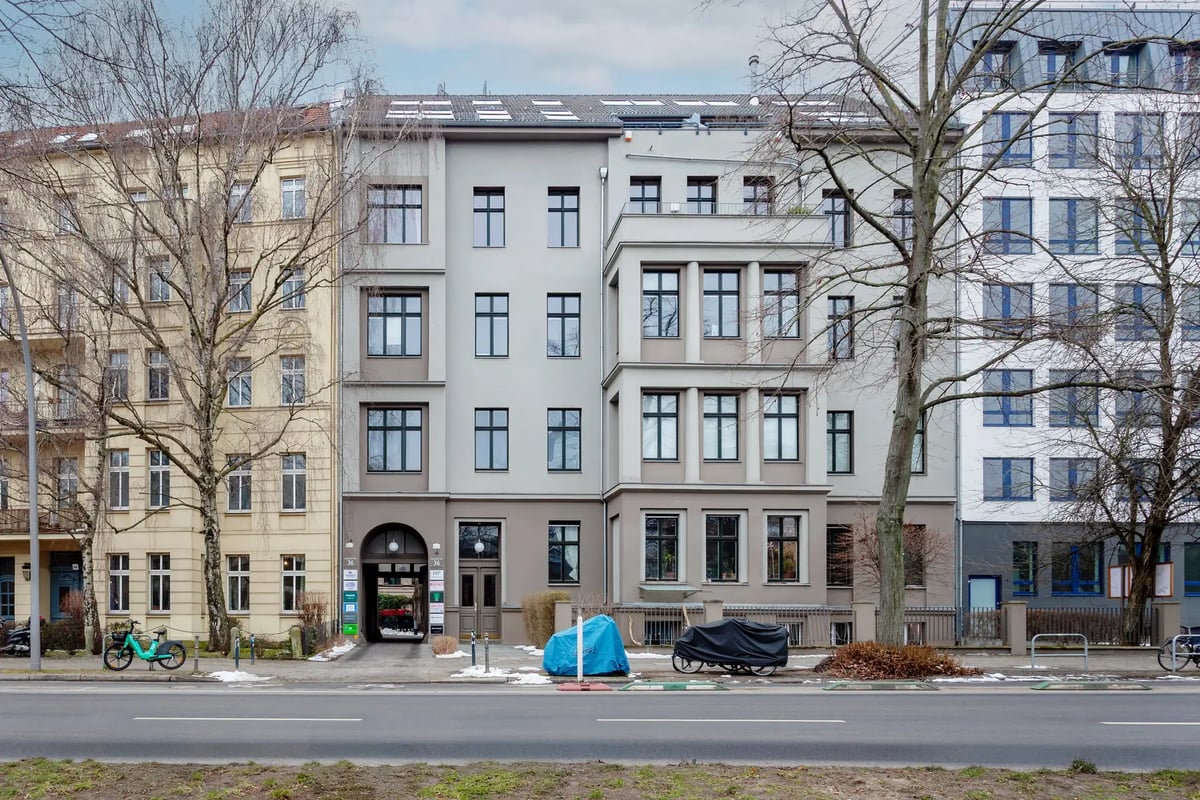


At the twentieth BBU conference, board member Maren Kern presented a review of the member companies of the Verband Berlin-Brandenburgischer Wohnungsunternehmen (BBU), the association of Berlin-Brandenburg housing companies. The figures provide an overview of two decades of investment in Berlin's housing market.
90 percent of stock modernised
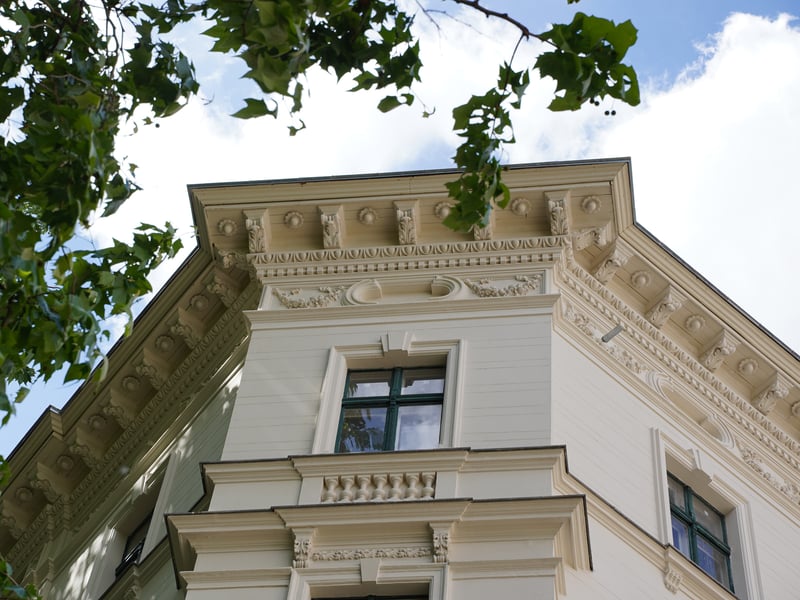
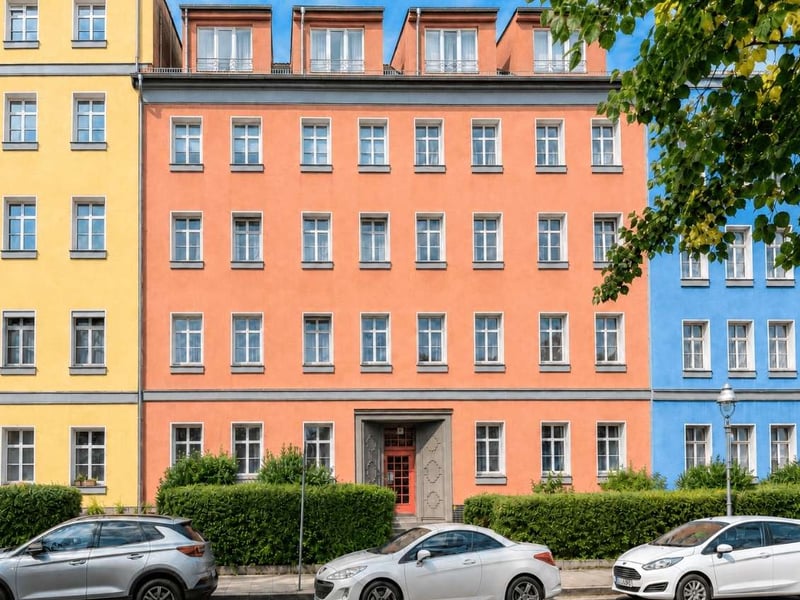
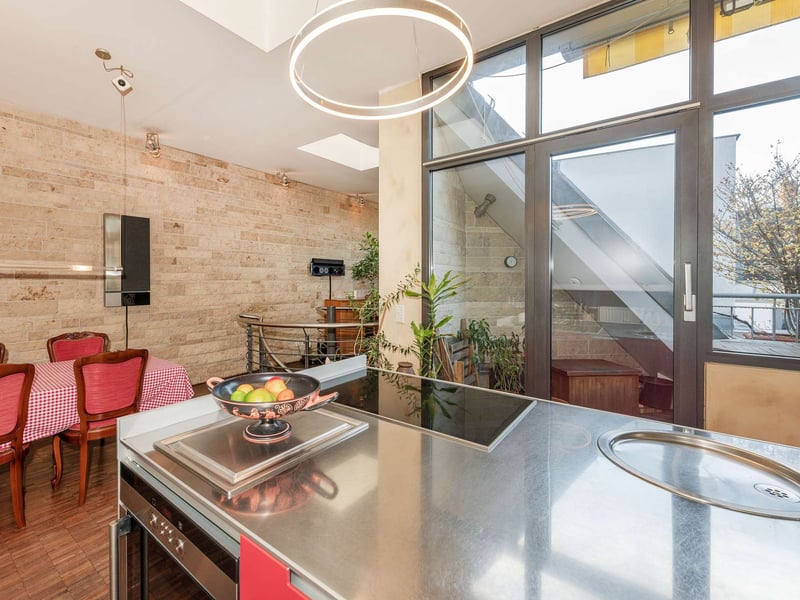
Since the mid-1990s, BBU members have renovated 90 percent of their housing stock. Energy efficiency measures cut the annual CO2 emissions of their properties in half. The modernisation improved living quality and made the portfolios competitive over the long term.
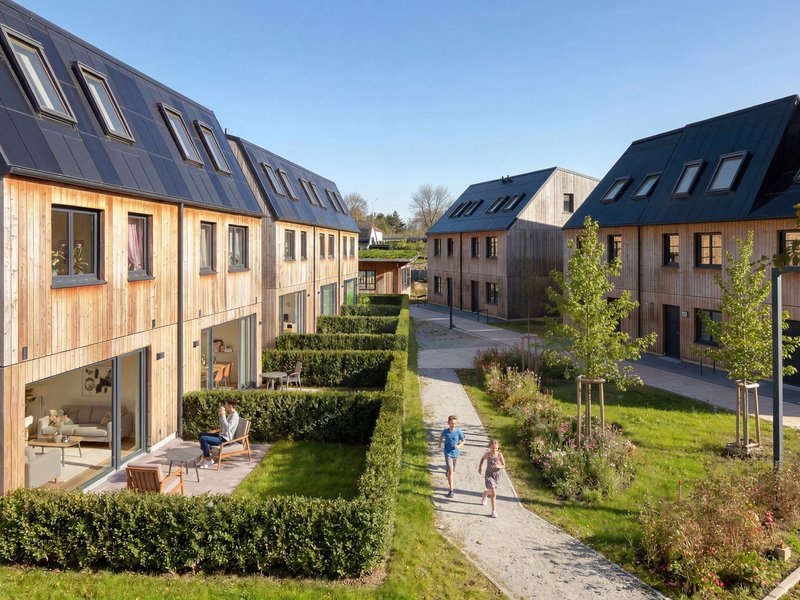
50,000 new apartments
Alongside maintaining their existing stock, BBU companies responded to growing demand. Over 20 years, they built around 50,000 new apartments, most of them in Berlin. "That is housing for approximately 100,000 people, equivalent to the population of a mid-sized city," Kern said. The new construction helped ease pressure on the rental market and expanded the supply of apartments in Berlin.
EUR 38 billion in total investment
Total investment in existing stock and new construction amounted to over 38 billion euros. Kern put the figure in perspective: "That is as much as the gross domestic product of the EU member state Latvia." The BBU brings together around 360 companies that manage approximately 40 percent of all rental apartments in Berlin alone, totalling over 1.1 million apartments across the metropolitan region.
EUR 38 billion in BBU investment sets the benchmark for private owners
With 90 percent of stock modernised and 50,000 new apartments built, BBU companies have raised the bar for the entire Berlin market. Private owners now compete with professionally renovated portfolios, while the EUR 38 billion volume signals long-term confidence in the location. Up-and-coming areas like Neukoelln and the upgrading of existing properties remain the entry points where private investors can still match that pace, and Berlin's market development draws on this organised commitment.