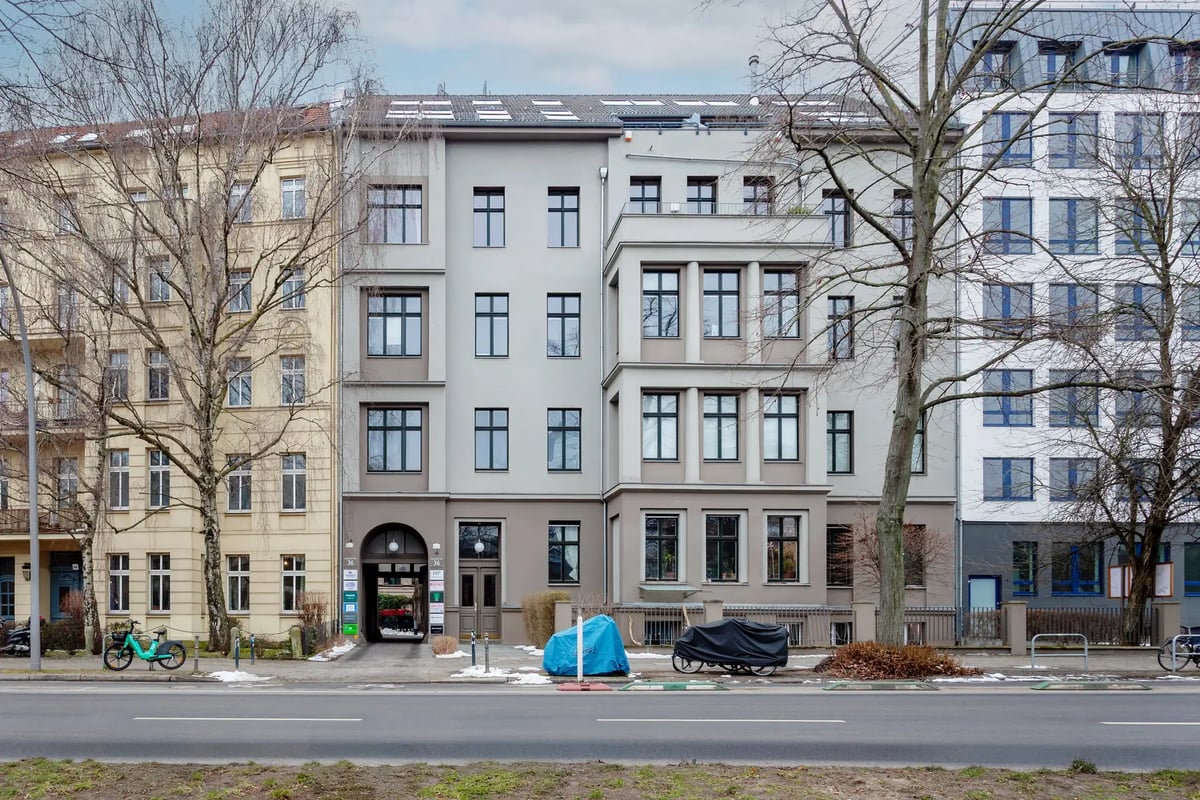


In 2009, Berlin attracts students, researchers, and creatives from across Europe. Yet prices per square metre remain below those in London, Paris, or Madrid. For property investors, this creates conditions not found in any other European capital.
Price levels after the Wall
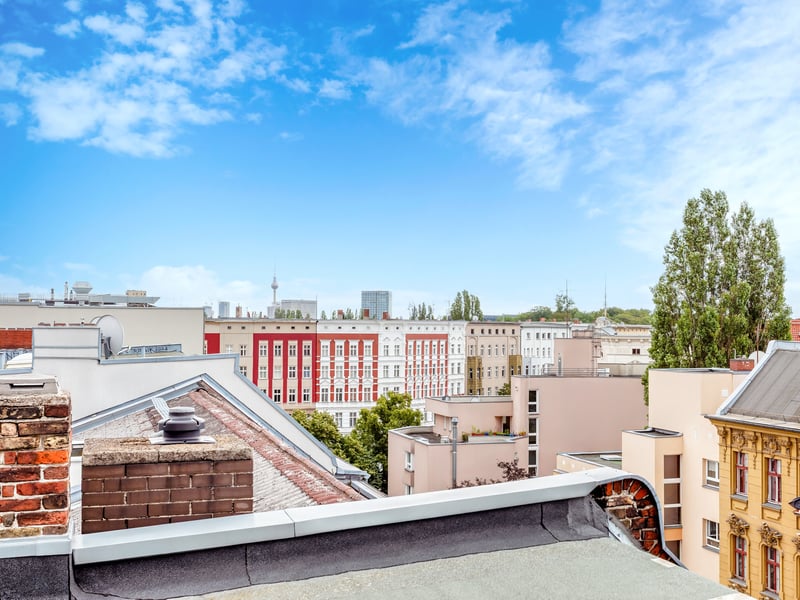
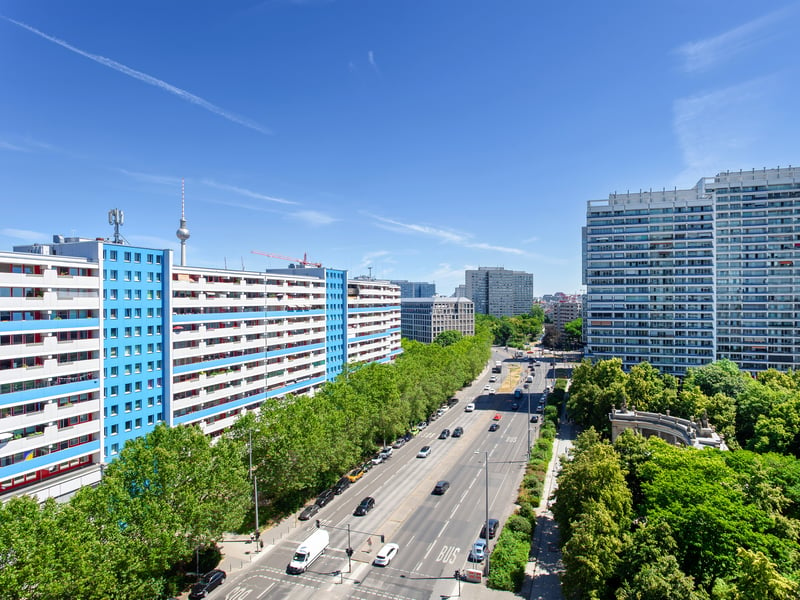
Twenty years after reunification, the division of the city still shapes the property market. Prices are low, demand is rising. An influx of young professionals, students, and international creatives keeps vacancy rates down. Anyone watching the Berlin apartment market can see the gap between supply and demand widening in inner-city locations.
Differences between boroughs
Location determines investment returns. In the western part of the city, Charlottenburg-Wilmersdorf and Steglitz-Zehlendorf offer stable rental income in established residential areas. Families and higher-income tenants consistently seek out these boroughs.
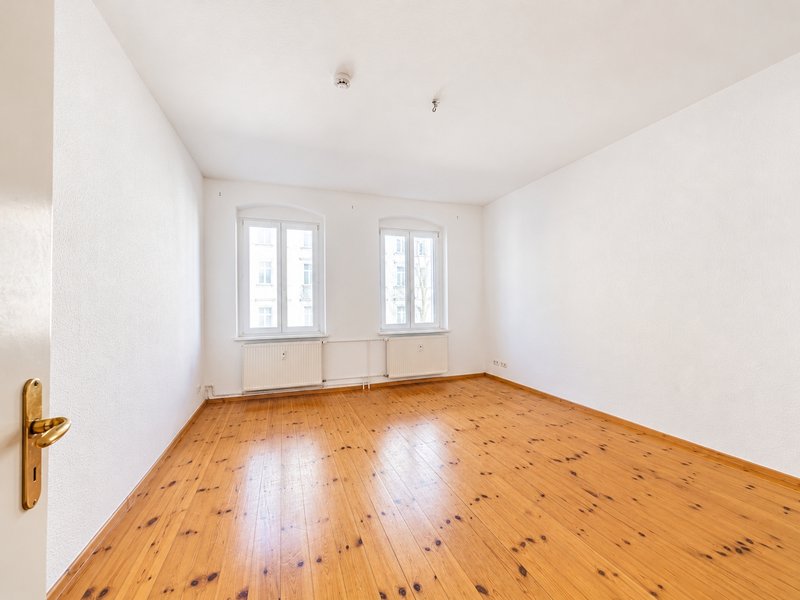
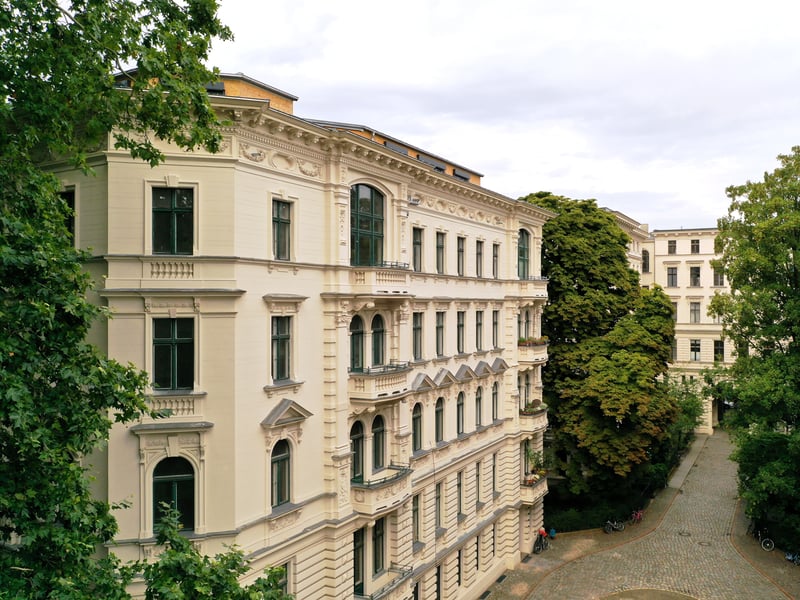
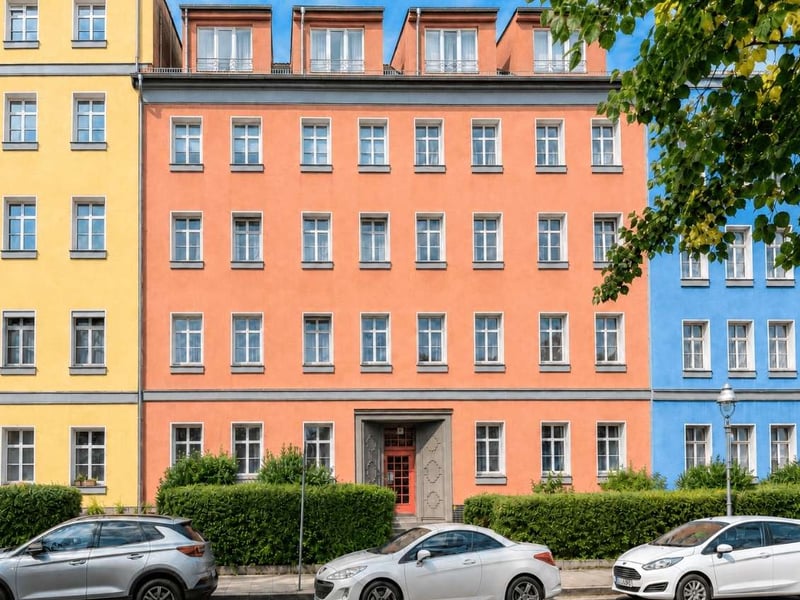
Kreuzberg and Neukoelln tell a different story. Here, period buildings (Altbau) meet a young, international crowd. Demand for apartments already exceeds supply in these neighbourhoods. Rents are trending upward.
What matters when choosing a property
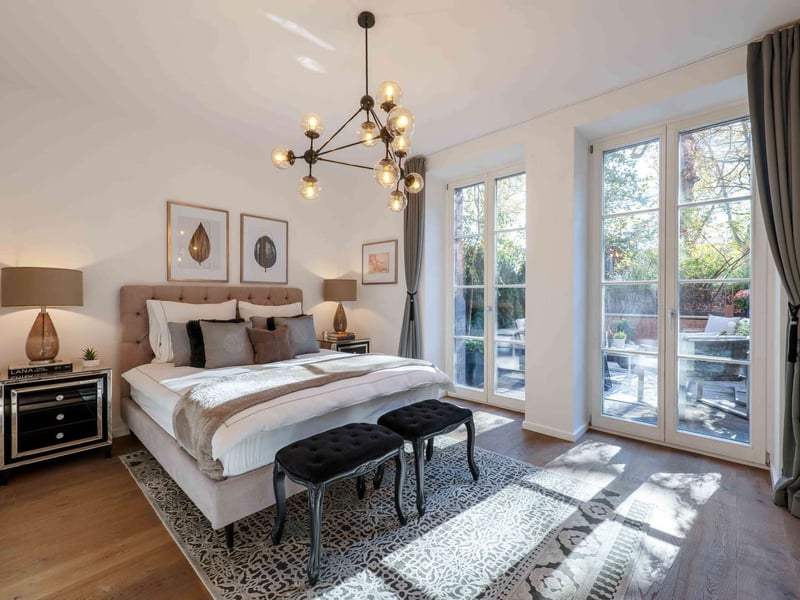
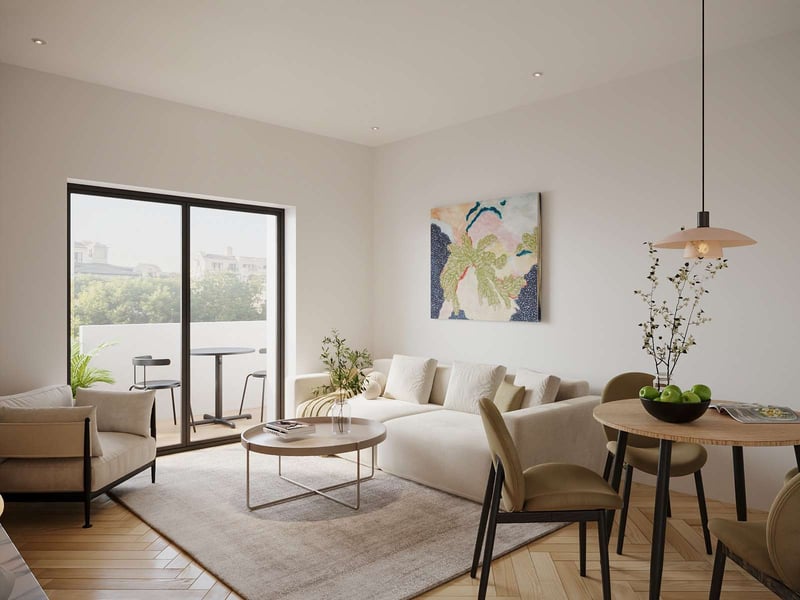
For investment buyers, rentability and location are the key criteria. Well-designed apartments in renovated period buildings or new developments are easiest to let. Proximity to public transport, universities, and green spaces directly affects rental levels and demand.