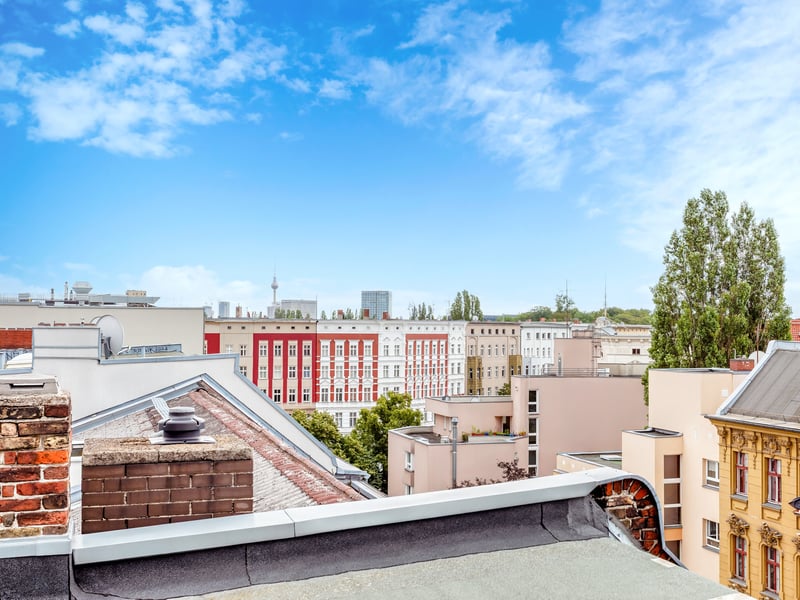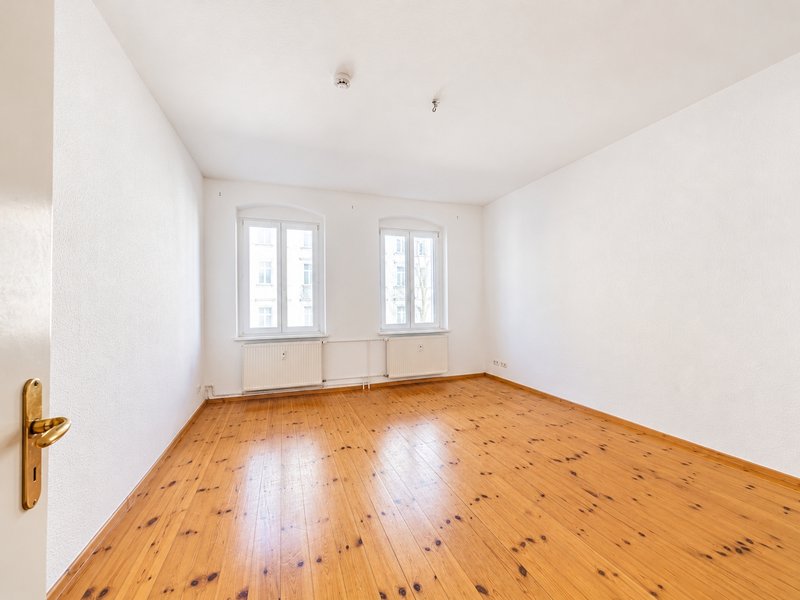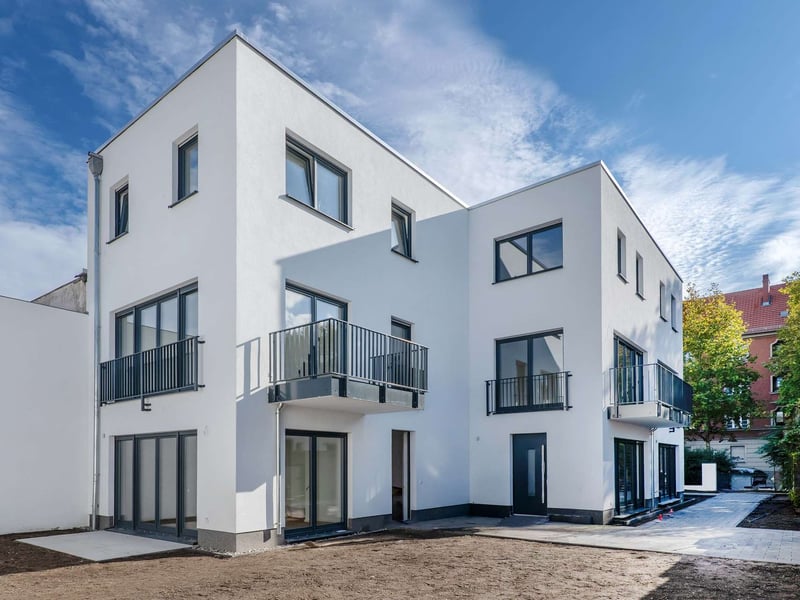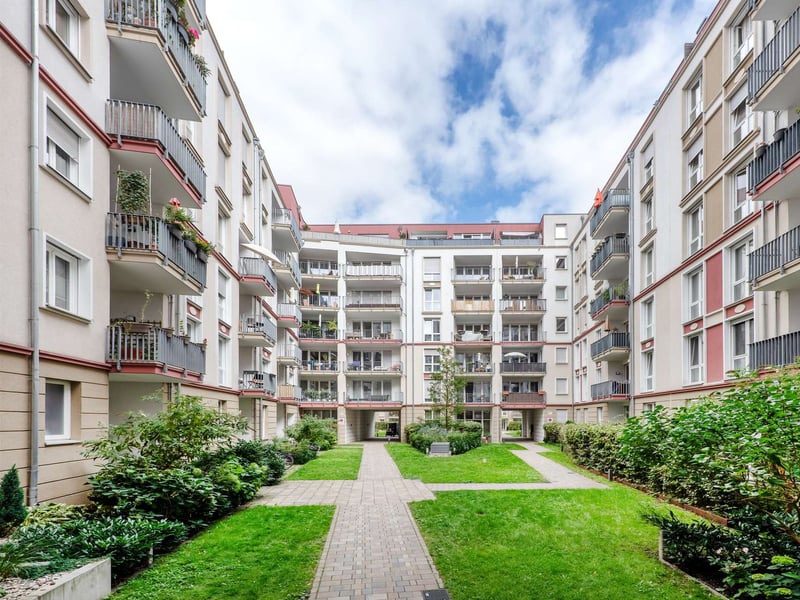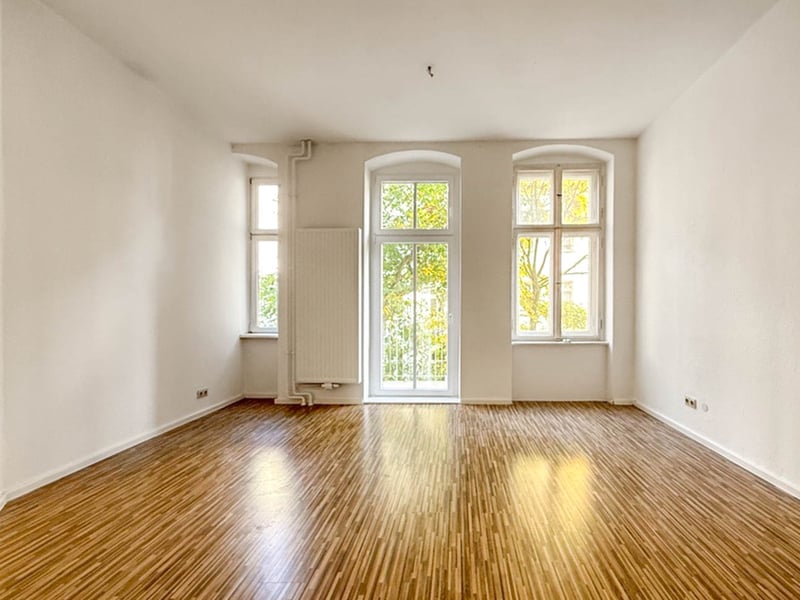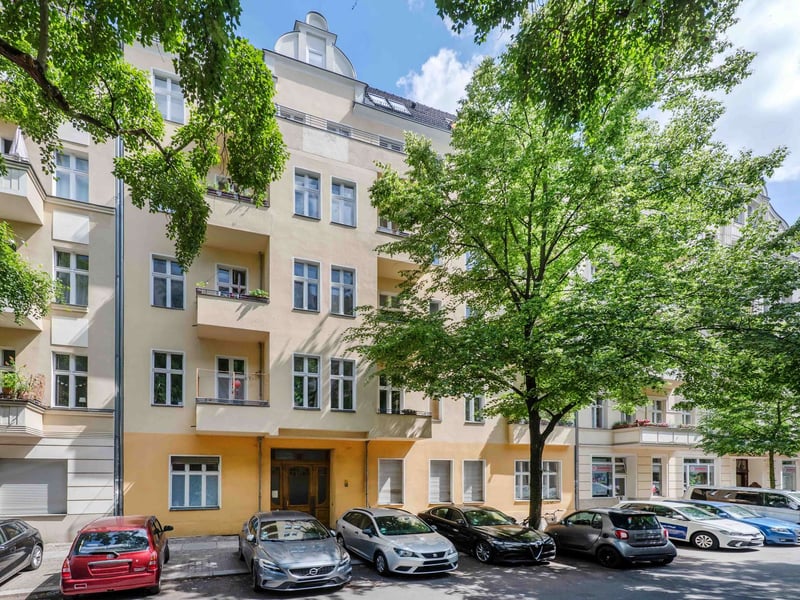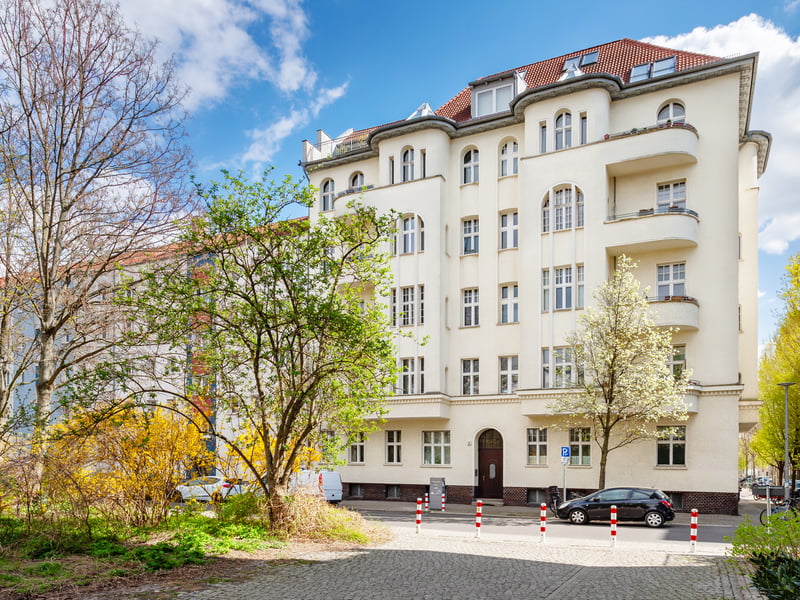


In July 2015, the average price per square meter for apartments in Berlin broke through the 3,000 euro mark for the first time. According to data from portal operator Immopool, prices had risen 15 percent within a year. "Apartment prices in the capital are still in a catch-up phase, and as long as the city continues to thrive and grow, the housing market boom will be hard to stop," Immopool commented.
Berlin ranks third nationwide
Among German cities, Berlin placed third for price growth rates in 2015. Stuttgart rose 18 percent to an average of 3,074 euros per square meter. Nuernberg topped the list with a 20 percent increase, though from a lower base of 2,416 euros per square meter. The property boom of 2015 was not a Berlin-only phenomenon, as economically strong cities across Germany were benefiting.
What was driving prices
Population growth through migration created ongoing demand, while the supply of new apartments fell short of need. Low unemployment, rising incomes, and historically favorable mortgage rates fueled willingness to buy. There was also the spread: Berlin prices in 2015 were still well below those of other European capitals, which attracted both institutional and private investors.
Wide differences between boroughs
The 3,000 euro average masked considerable variation. In Mitte, Charlottenburg-Wilmersdorf, and Prenzlauer Berg, prices were already well above that figure. In Marzahn-Hellersdorf or Spandau, they remained partly below 2,000 euros. This opened up different strategies: affordable boroughs with appreciation potential, or established central locations with stable market development.
In hindsight, the summer of 2015 was one of the last opportunities to buy in Berlin at prices below today's levels. For existing owners, the trend brought substantial value gains. For first-time buyers, entry became increasingly difficult as rising prices demanded higher equity ratios.