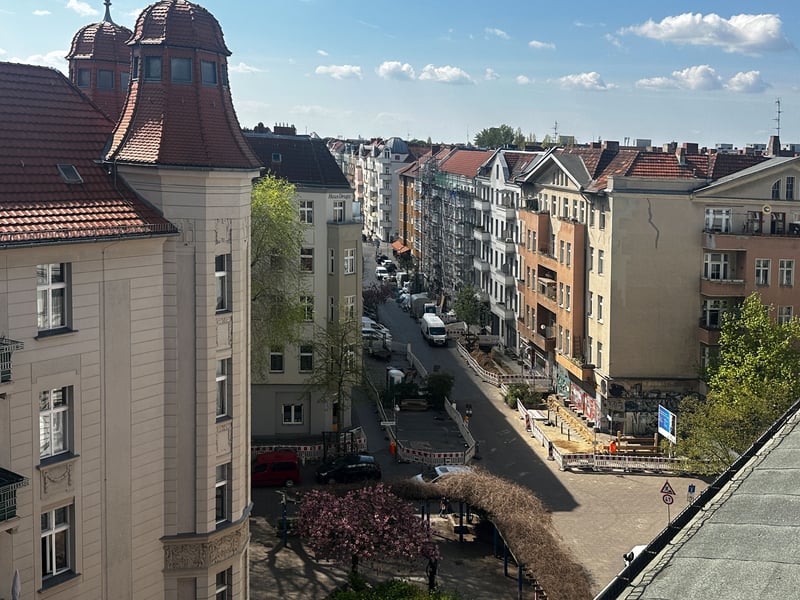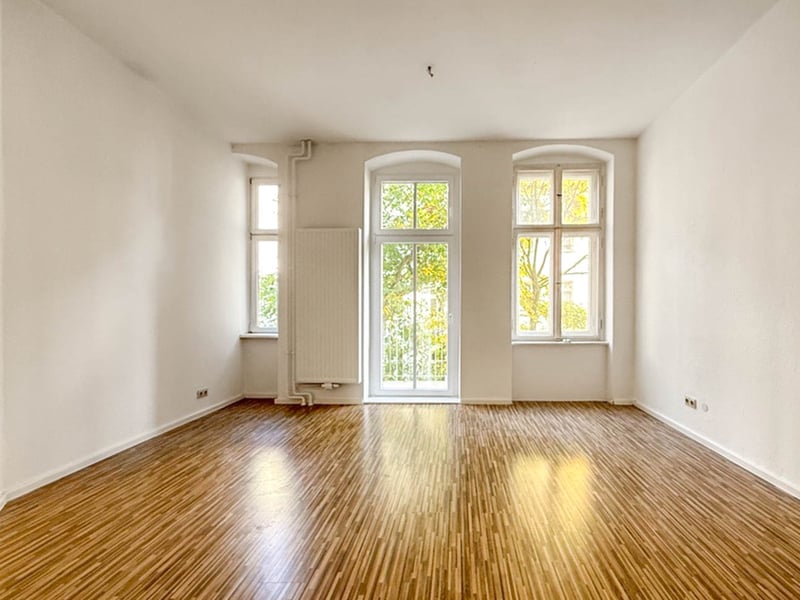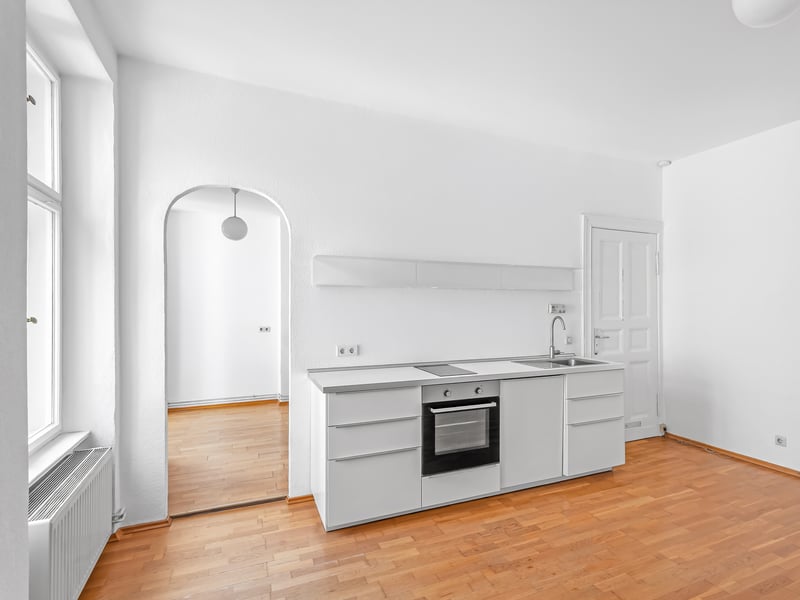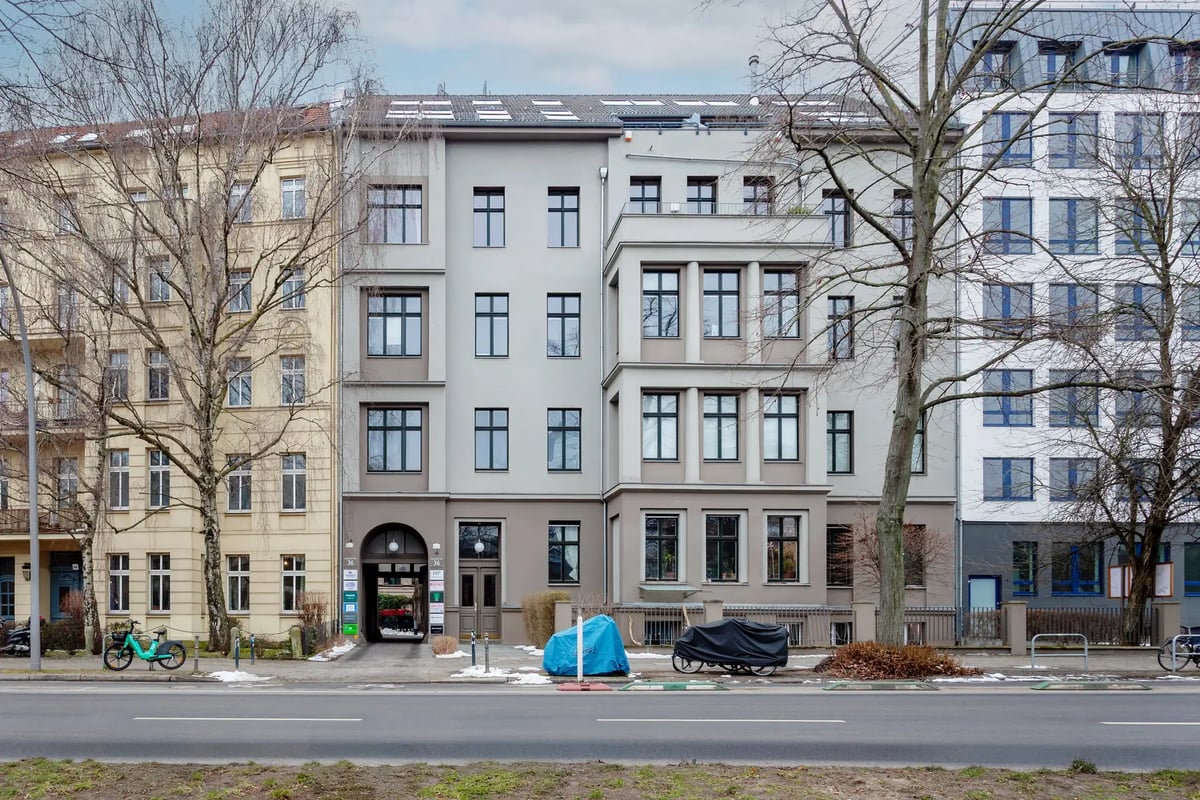


Berlin's tenants' association (Mieterverein) sees the capital's housing market as divided. On one side are affluent tenants, often recent arrivals, who can move freely on the market. On the other, lower income and long-term residents who are hitting their financial limits.
Two speeds on one market
The association describes the problem this way: high demand driven by steady migration to Berlin meets too little affordable housing. Tenants with high incomes can pay the rising asking rents and have a wide selection of apartments in Berlin. Lower income households avoid moving because a new lease means significantly higher rent and stiff competition. The effect is especially visible in inner city areas like Mitte and in fast changing boroughs like Neukoelln.
Even the outer boroughs are getting expensive
The outer boroughs used to serve as fallback options. That option is fading, according to the association. Price increases are spreading across the entire city. Existing tenants stay in their apartments even when they have outgrown them. This slows turnover and further narrows the supply. The current market development reinforces this cycle.
The association's demands
The Mieterverein urges tenants to actively use the rent control law (Mietpreisbremse), in effect since June 2015, to challenge excessive rents at re-letting. Beyond that, it demands from policymakers:
- More social housing construction to expand the supply in the lower price segment
- Stronger protection for affordable rental apartments in the existing stock
- A cap on rent increases after modernization as part of the upcoming tenancy law reform
- A reduction of the rent increase ceiling to 15 percent over five years
Strong demand, tightening rules: tenancy reform sets the agenda
For owners and investors, the analysis confirms strong demand across Berlin. At the same time, political pressure toward tighter regulation, including a possible drop of the rent-increase ceiling to 15 percent over five years, is growing. The debate around tenancy law reform will define the year. Anyone investing in Berlin residential property should keep a close eye on the regulatory environment, since it directly shapes return prospects.