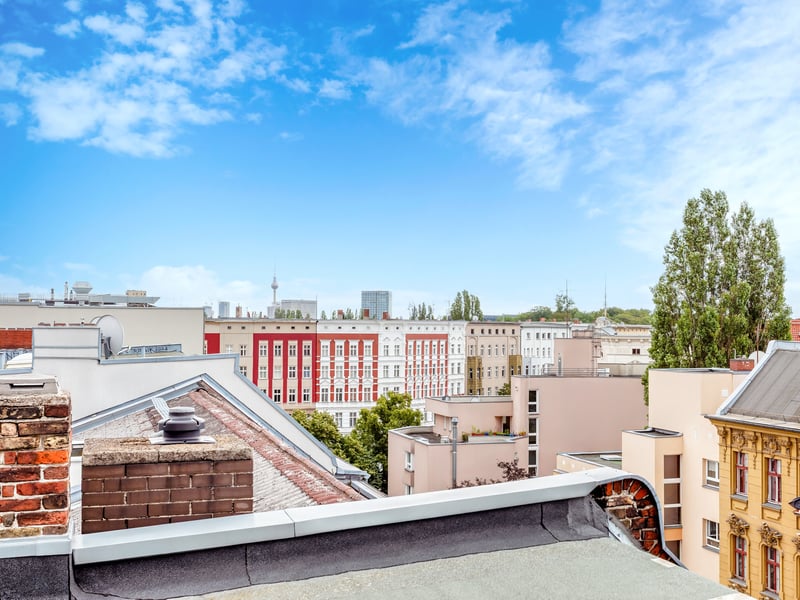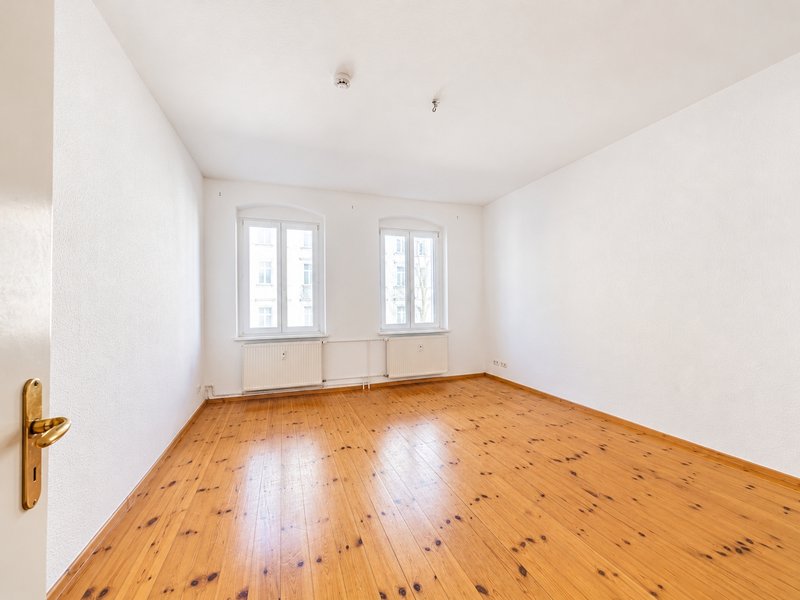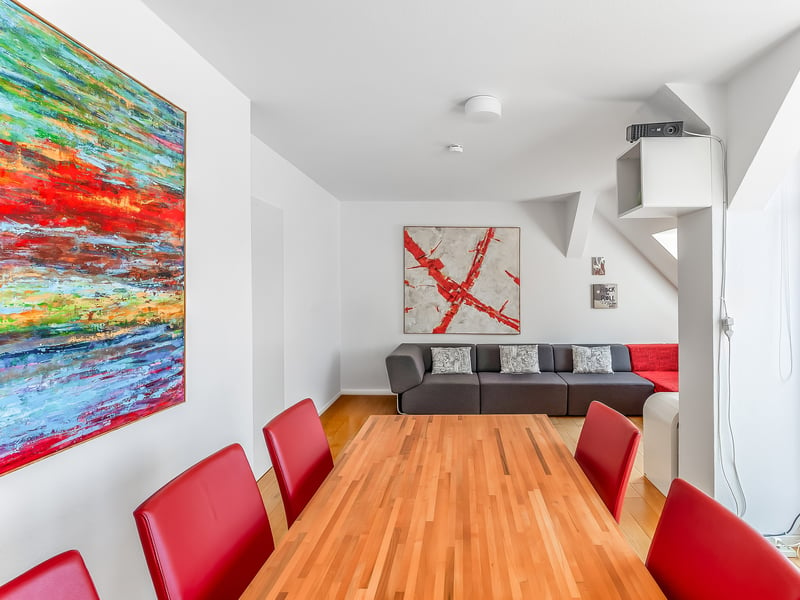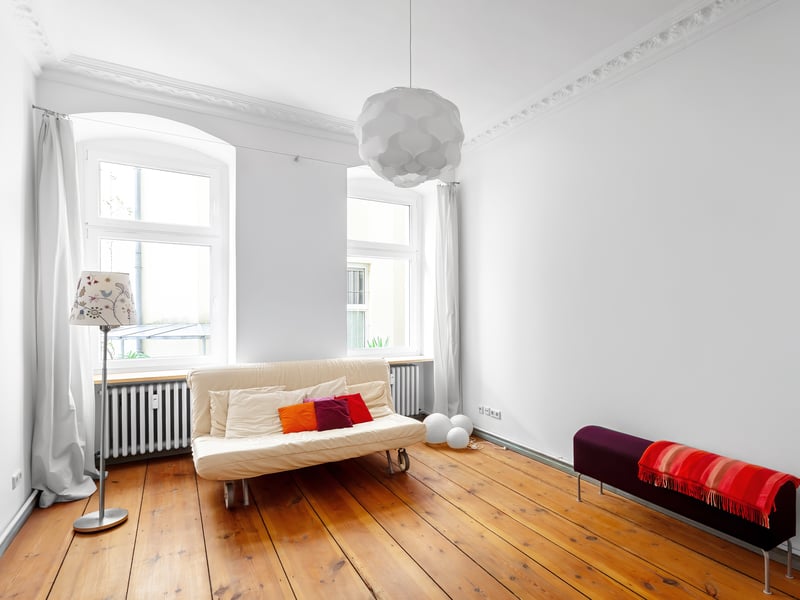


After the turmoil on equity markets in 2008, investors are looking for more stable asset classes. The rented apartment is one of them. In Berlin, moderate purchase prices meet rising demand for housing, a combination that no longer exists in Munich or Hamburg.
Why Berlin
Purchase prices per square metre in Berlin still sit below those of other European capitals. At the same time, the city is growing: students, creatives, and professionals are moving in. This supports demand for rental apartments. Market data show a positive price trend from a still-low starting point.
What matters in property selection
Anyone buying an investment apartment should look beyond the purchase price: How stable are the existing tenancies? Is the rent in line with the market? Can rental income cover running costs and future maintenance? Reviewing the minutes of owners’ meetings (Eigentümerversammlungen) and the financial plan (Wirtschaftsplan) is worth the effort.
Locations with strong demand
Inner-city boroughs see the highest demand: Kreuzberg, Friedrichshain, and parts of Tempelhof-Schöneberg. In Neukoelln, interest is growing: proximity to Kreuzberg and lower entry prices attract buyers. Around the former Tempelhof Airport, closed in 2008, the future use of the site will affect surrounding residential areas.
Long-term perspective
The deciding factors for location remain public transport access, local amenities, and the demographic trajectory of the neighbourhood (Kiez). Short-term trends are a poor basis for a purchase decision that spans ten or twenty years. Buyers who do not track the market daily benefit from the perspective of a local real estate broker in Berlin on location, rent level, and property quality.