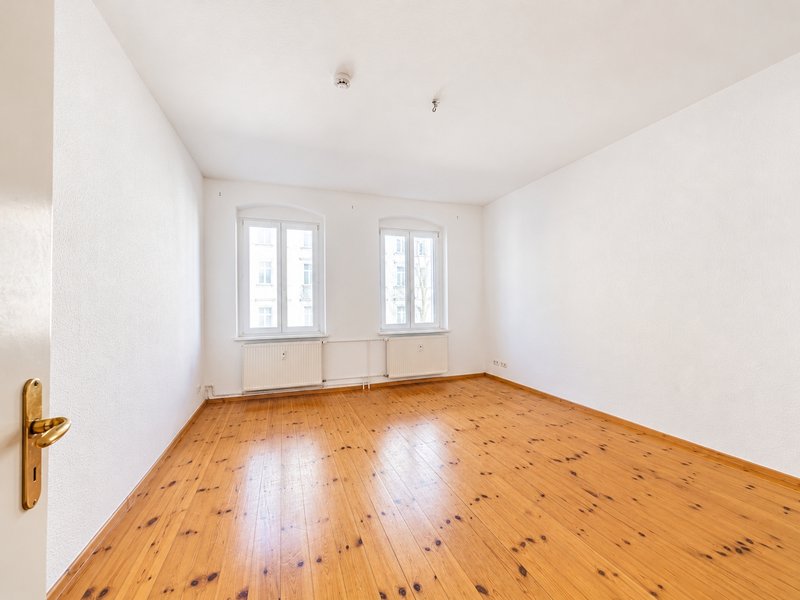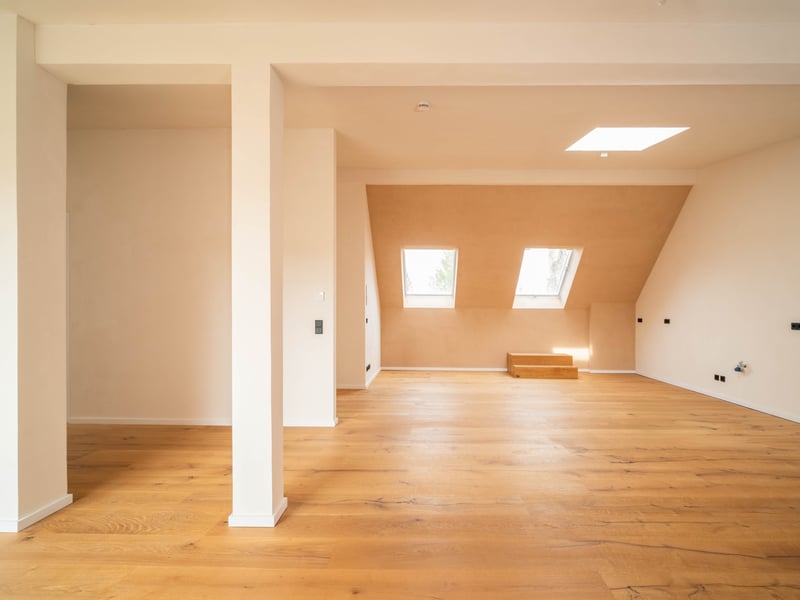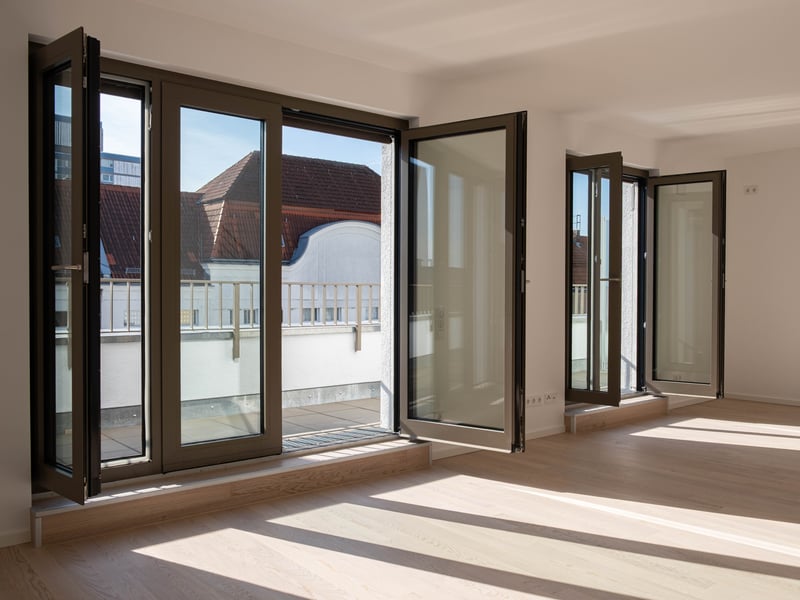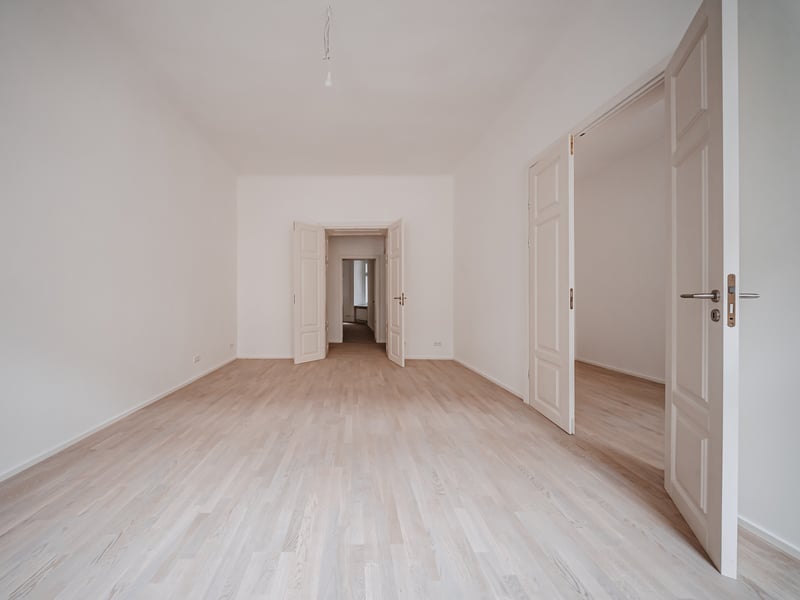


Berlin is getting a register of all rental flats. Anyone who lets a flat is to be legally obliged to enter their flat(s) there and keep the details up to date. As part of the Housing Security Act, the House of Representatives has passed the so-called Act on the Establishment of a Housing and Rental Cadastre, or WMKG Bln for short. The law is not yet in force; for now, no one has to – or can – report anything. The Senate Department told Berlin broadcaster rbb24 that the rent database is to launch over the course of 2027.
Who has to report?
In principle, if the law enters into force in the form adopted, landlords are subject to a reporting duty. This also applies to sublets. A property manager may handle the registration for you, but responsibility for everything being correct and complete remains with the landlord. Each flat is reported individually. Whether you let a single condominium or an entire building makes no difference.
What has to be reported?
Nine pieces of information are reported for each flat:
- Address with street, house number and postcode
- Living space in accordance with the Living Space Ordinance, plus room layout and basic fittings
- Name and address of the landlord
- Number of household members
- Date and type of the housing entitlement certificate (Wohnberechtigungsschein)
- Start and agreed duration of the tenancy
- Net cold rent and the composition of the gross warm rent, i.e. the advance payments for operating costs, heating and water
- Modernisation surcharges, if any
- The property tax attributable to the flat
The Senate may specify the catalogue of questions by ordinance, but not expand it.
Which deadlines apply?
Two deadlines are relevant. You have twelve months for the initial registration. This period begins when the cadastre enters regular operation, not with the parliamentary vote.
If one of the nine details changes, you must update it within one month. This applies to every change of tenant, every rent increase and every adjustment to the advance payments.
How is the report submitted?
For landlords with one or a few flats, a portal with standardised forms will be the reporting channel. For landlords with larger portfolios, an interface solution is planned instead.
Are the details checked?
In individual cases, the Senate Department may require you to provide evidence for your details.
What happens with the data?
The Senate Department runs the cadastre and checks the data for plausibility and irregularities. In the event of irregularities, you receive a notice, as does a responsible authority. We were unable to determine from the law which authority or authorities this will be. In reported cases, it may be examined whether to initiate fine or investigative proceedings.
Among other things, it is checked whether the rent exceeds the limits set by federal law or whether a case of excessive rent (Mietpreisüberhöhung) or rent profiteering (Mietwucher) might exist. This check does not decide your tenancy itself. If tenants reclaim rent already paid, the courts continue to decide. Trade media report that the preliminary check is to be AI-supported.
Who has access to the cadastre?
The cadastre is not public. No one can look up what the neighbour pays; prospective buyers also receive no information.
What happens with the data after a tenant moves out?
After a tenancy ends, the data is deleted or anonymised after two years.
What happens if you do not report?
Anyone who fails to report, or reports incorrectly, incompletely or too late, commits an administrative offence. The range is up to 10,000 euros. Up to 100,000 euros becomes possible if it is repeated or particularly serious. The law names three typical cases: you continue not to report despite a written objection, the matter concerns many flats, or false details significantly hamper the review. The amount depends, among other things, on the number of affected flats and your economic capacity. The fine is intended to be higher than the advantage you gained from the breach. There is one exception. You may refuse to register if doing so would expose you or close relatives to the risk of criminal or fine proceedings. However, the Senate Department may pass on the refusal and suggest obtaining the data from third parties.
What else the law contains
The cadastre is only one part of the law. Two further points directly affect owners.
In future, the district offices may request evidence of gas, heat, electricity and water consumption per residential unit. This serves to pursue misuse of housing (Zweckentfremdung). In addition, it will no longer be only staff of the district office who may enter a flat, but also persons commissioned by it.
For one- and two-family houses, there are new exceptions in the law on misuse of housing. Anyone who removes living space there and creates at least the same amount anew within a reasonable period can invoke an overriding private interest.
What remains open
The timetable depends on an ordinance that does not yet exist. It is to govern how the data is captured technically and how landlords register. Only from this will it become clear how burdensome reporting actually is.
Assessment
It is in fact disputed whether the law will stand or is workable. Not only data protection is being questioned, but also its constitutionality, because landlords would be forced to provide evidence against themselves. It is also questionable whether the state is once again overstepping its legislative competence. Building Senator Christian Gaebler has rejected these concerns, since the adopted version contains the right of refusal.
Another bureaucratic disaster instead of new housing?
The effort of reporting the details the cadastre demands only seems minor at first glance, and arises less from the initial report than from the one-month deadline after changes. How this is supposed to work even remotely for the many landlords living abroad is entirely unclear. On top of that, property managers are already chronically overloaded today, and even if they take on the reporting, responsibility remains with the owner. Experience with the speed of Berlin's authorities feeds further doubt as to whether the law will ever make it off paper at all.
Disclaimer
This article is for general information only and does not constitute tax or legal advice. The content does not replace individual consultation with a tax advisor or attorney. No liability is assumed for accuracy or completeness.