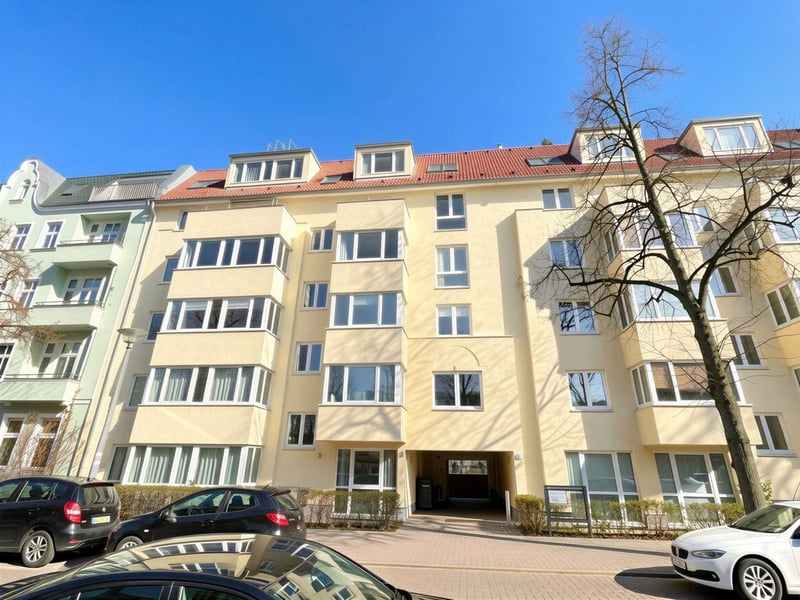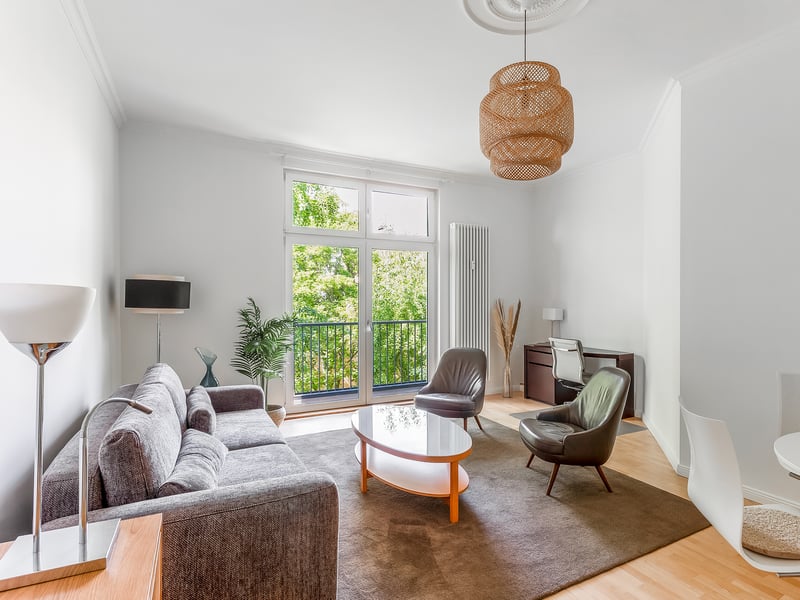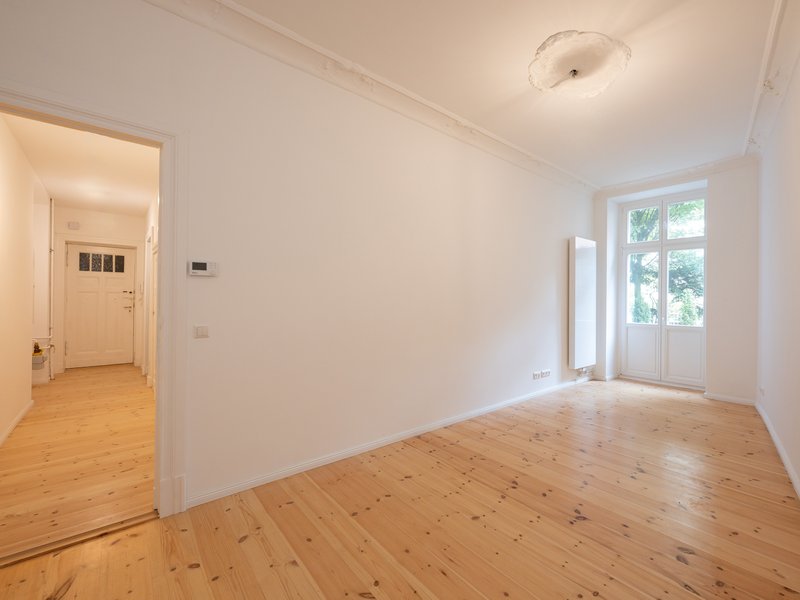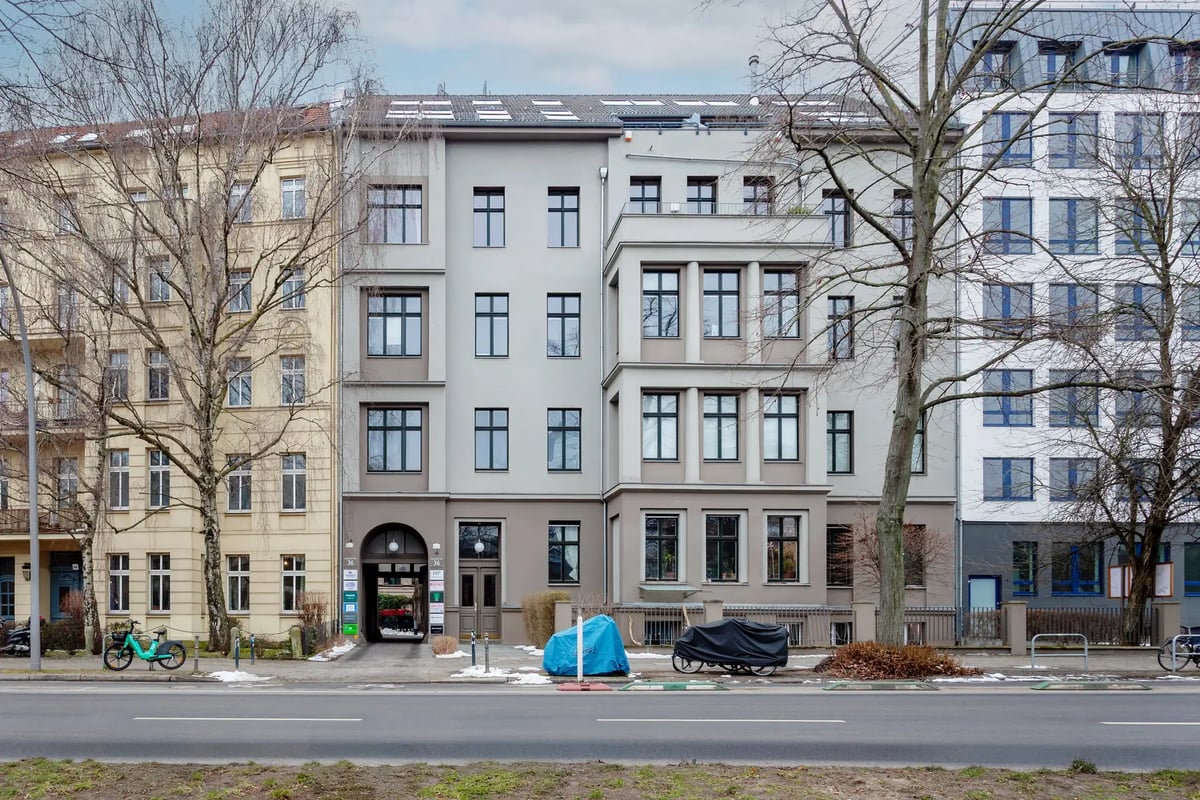


Record inflation of around 8 percent, the ECB's first key rate increase in years. The European property market is under pressure in late summer 2022. For investors in Berlin, the question is: how does the local market compare to other European cities? The comparison with Rome reveals some telling differences.
Government debt and monetary policy: why location matters
Italy carries government debt of 150 percent of GDP. Germany sits at 69.3 percent. This gap has direct consequences for the property markets in both countries.
The ECB is raising rates only cautiously, partly because southern European countries like Italy need to refinance around 13 percent of their national debt every year. Each rate increase puts considerable strain on Italian public finances. For Berlin's property market, this means it rests on a more stable national foundation. The risk of external shocks is lower compared to Rome.
Prices: Berlin still below Rome's level
In Rome's historic centre, average prices for condominiums sit at around EUR 7,300 per square metre. In districts near the Tiber, renovated properties reach up to EUR 9,000. The market development in Berlin shows that even in central premium locations such as parts of Mitte, price levels often remain below comparable areas in Rome.
A key difference in demand: Berlin's market is driven by domestic economic factors and the influx of skilled workers. Rome's market depends more heavily on international tourism and foreign buyers.
Economic structure: tech hub versus tourism city
The biggest difference lies in economic orientation. Rome is a cultural, political and touristic centre. Its economy relies heavily on the service sector and hospitality, industries that are particularly vulnerable during global crises.
Berlin, by contrast, is establishing itself as Europe's leading tech and innovation hub. The startup scene, universities and research institutions attract young, international professionals. This influx creates growing demand for apartments in Berlin that does not depend on individual industries or tourism flows.
What the comparison means for Berlin investors
Rome has history and global prestige. But its market is more dependent on fragile Italian public finances and tourism.
Berlin combines a stable national economy with more moderate property prices by EU standards and a growing, innovation driven labour market. For investors, this is a more solid foundation for long term value stability, even in a rising rate environment.