

After years of debate, the Berlin parliament has passed the law introducing property and location partnerships (ISG), also known as the BID law (Business Improvement District). Property owners, retailers, and businesses can now use their own initiative and funds to improve the environment around their properties. The background: many once popular shopping streets are struggling to compete with shopping centers that offer a unified look and high comfort.
How the law works
Within a defined area, such as a shopping street or neighborhood, stakeholders can establish an ISG. This body can decide on and finance measures: better lighting, uniform street furniture, professional cleaning, joint marketing, or events.
The threshold is low: 15 percent of property owners in the area are enough to initiate the process. If a majority of owners (by area share) subsequently approves, the action plan becomes binding for all owners in the zone. Funding comes through a levy collected by the borough.
Mandatory contributions: What this means in practice
The binding nature is the core of the law. If measures are approved by the majority, owners who voted against also have to pay. The amount depends on the approved budget. Investors holding property in a potential ISG area should get involved in the planning process early on.
Which locations could benefit
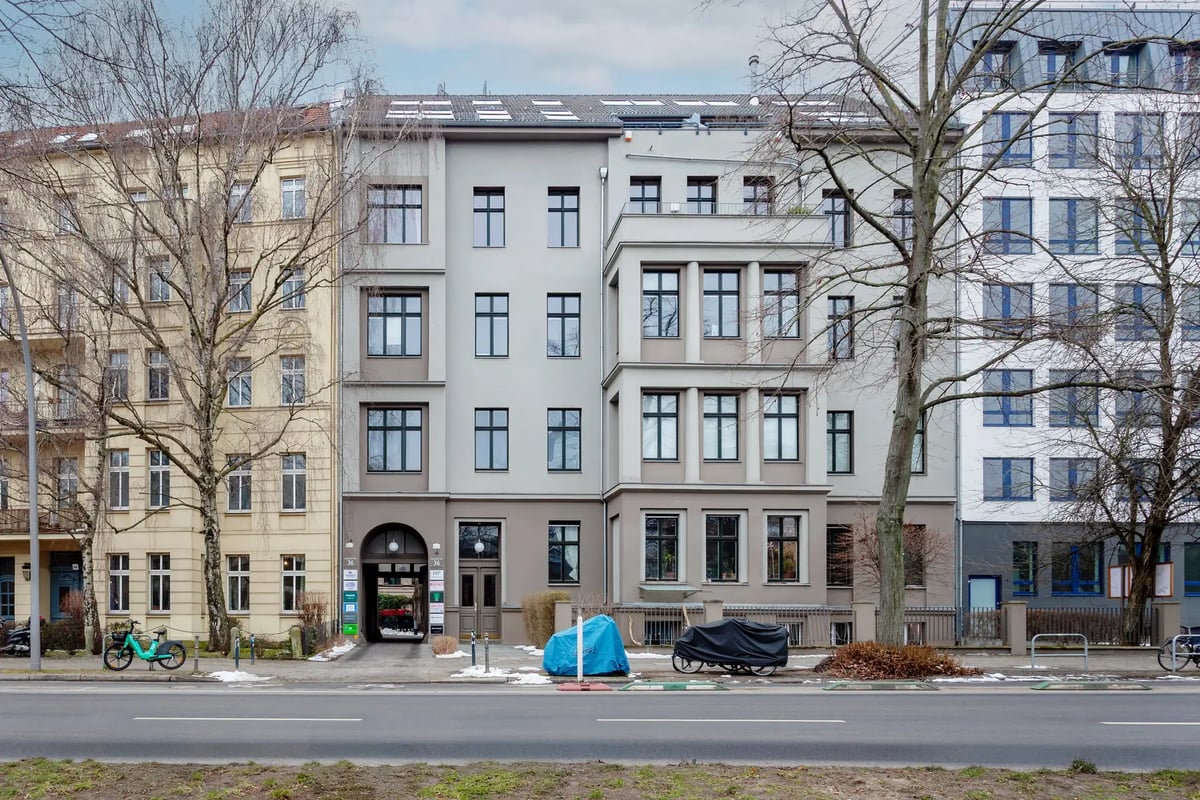
Similar regulations have been applied in southern Germany since the 1980s, in some cases with good results for smaller retail zones. In Berlin, commercial streets that have lost attractiveness in recent years are the most likely candidates. Examples include parts of Karl-Marx-Strasse in Neukoelln or smaller commercial areas in Charlottenburg and Schoeneberg.
Upgrading the commercial environment also affects the adjacent residential area. Higher foot traffic stabilizes demand for commercial space and can positively influence the market development in those locations. Demand for apartments in ISG areas could also benefit. Whether the law fulfills its purpose depends on the commitment of local stakeholders.
Disclaimer
This article is for general information only and does not constitute tax or legal advice. The content does not replace individual consultation with a tax advisor or attorney. No liability is assumed for accuracy or completeness.