

Following the Paris Climate Conference in late 2015, the German government is working on its national Climate Action Plan 2050. The target: 80 to 95 percent fewer greenhouse gas emissions compared to 1990. According to the Federal Environment Agency, 27 percent has been saved so far, though largely through the closure of East German industry and production relocations abroad. The building sector is therefore in the spotlight.
EnEV: Already expensive, soon to get stricter
The Energy Saving Ordinance (EnEV) has regulated building energy standards since 2002. The current version alone has increased construction costs by at least 7 percent. Property associations criticize that the costs are disproportionate to actual CO2 savings: the EnEV contributes just 0.02 percent to total emission reductions. Despite this, the Federal Ministry for Economic Affairs is planning further tightening.
What the climate action plan proposes
The drafted proposals affect the property sector directly.
The annual renovation rate for existing housing stock, currently around 0.8 percent, is to be increased significantly. From 2030, new buildings should be designed as net positive energy houses that produce more energy than they consume. Fossil fuel heating systems are to be phased out, with subsidies for replacements. Climate protection classes, similar to energy labels on household appliances, are intended to create incentives for renovations that exceed minimum standards.
Impact on the Berlin market
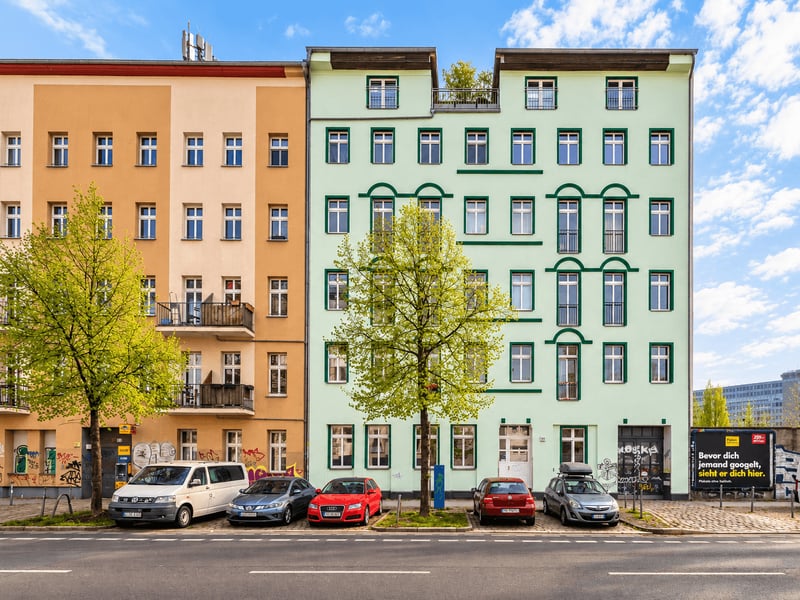
Berlin has a large stock of older buildings, particularly in boroughs like Neukoelln or Charlottenburg. Andreas Mattner from the German Property Federation (ZIA) warns of a "renovation mandate through the back door": if owners have to pass costs on to tenants, it would run counter to the goal of affordable housing. Tens of thousands of apartments in Berlin could be affected.
Many of the planned restrictions are expected to be accompanied by subsidy programs. The plan is still being finalized. Property owners should follow the debate closely. In central locations like Mitte, energy efficiency is increasingly becoming a factor in letting and market valuation.
Disclaimer
This article is for general information only and does not constitute tax or legal advice. The content does not replace individual consultation with a tax advisor or attorney. No liability is assumed for accuracy or completeness.