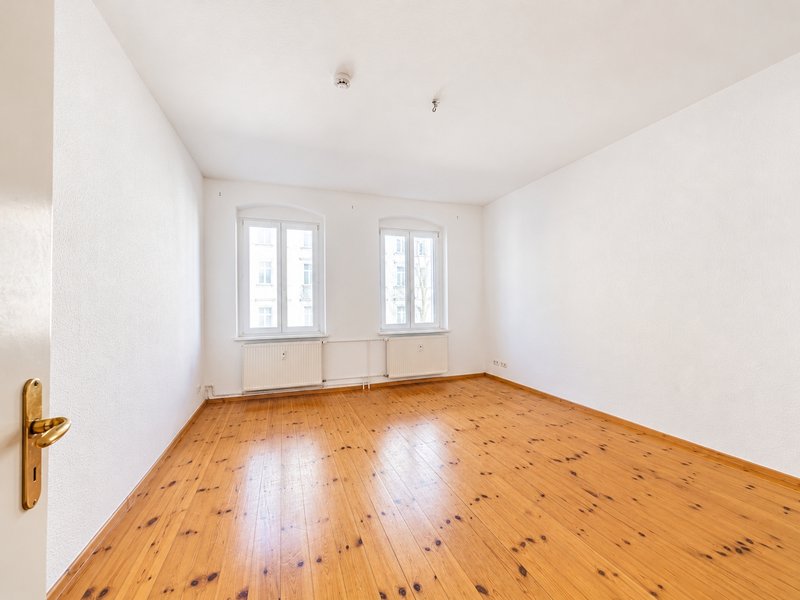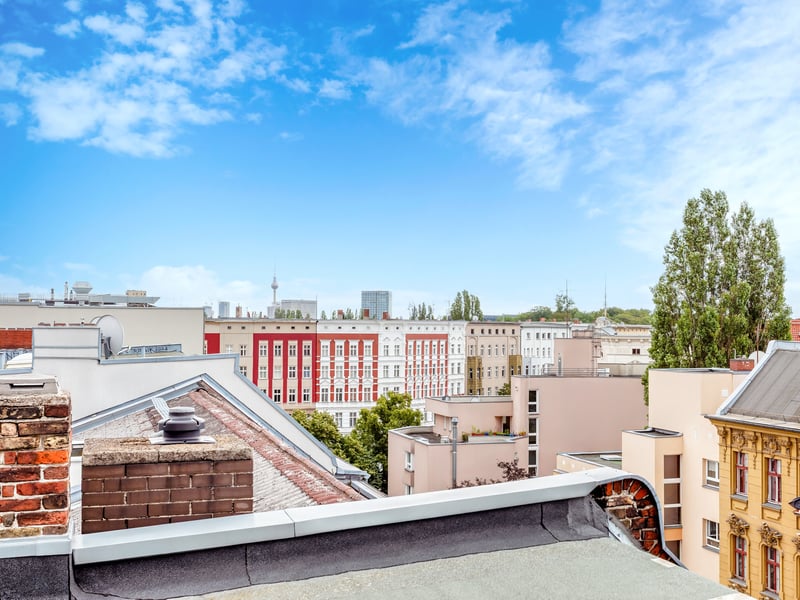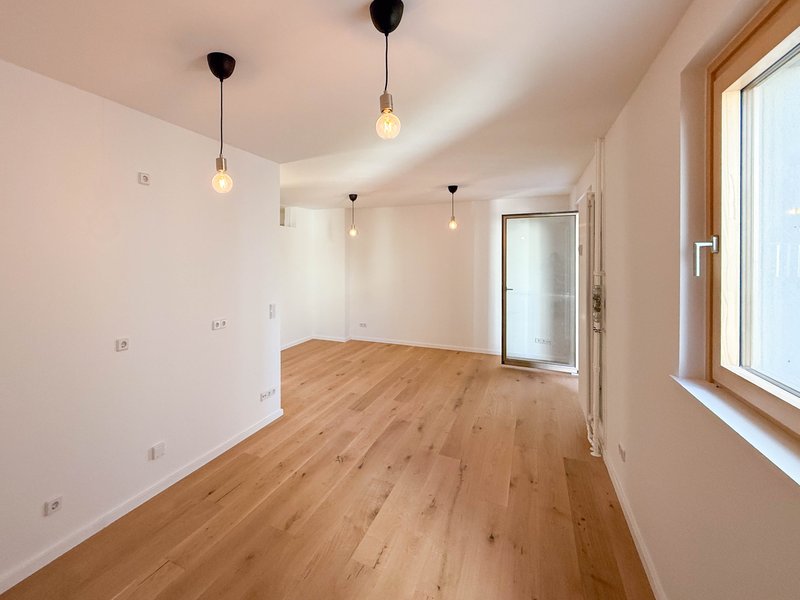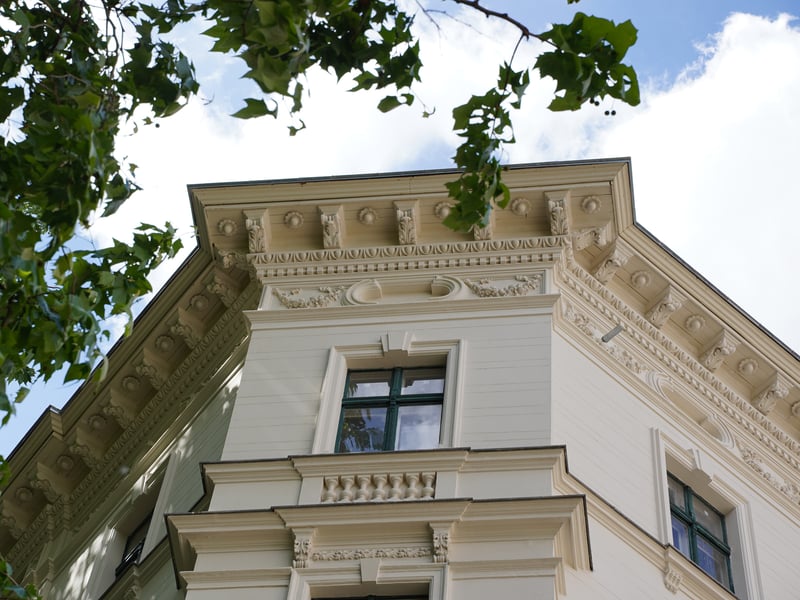


In 2015, 17,431 rental units in Berlin were converted into condominiums. The figures come from a response by the Senate Administration for Urban Development to a parliamentary inquiry by Green Party representative Katrin Schmidberger. The data shows a clear concentration in Berlin's inner-city boroughs.
Pankow and Friedrichshain-Kreuzberg at the top
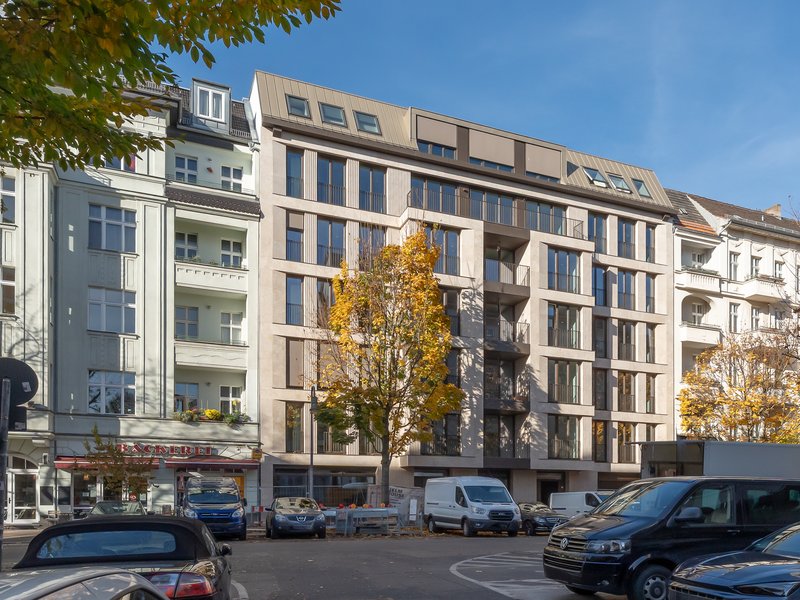
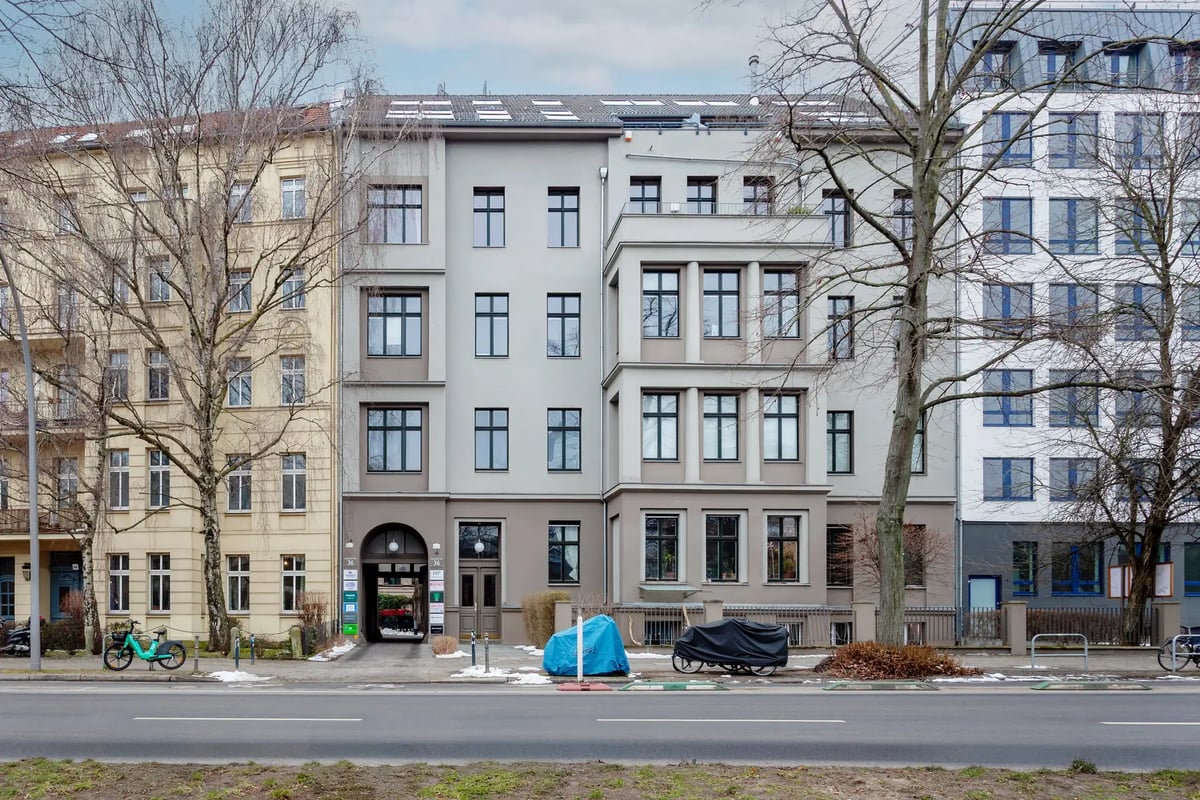
The highest number of conversions took place in the borough of Pankow with 3,749 units. Friedrichshain-Kreuzberg followed with 3,406 conversions. In neighborhoods like Prenzlauer Berg, the pre-war building stock is particularly attractive for condominium conversion projects. Charlottenburg-Wilmersdorf (2,872) and Mitte (2,246) also recorded high numbers. What these boroughs have in common is their location largely within the S-Bahn ring.
The outer boroughs tell a different story. In Marzahn-Hellersdorf, only 26 new condominiums were created through conversions over the entire year. Spandau (163) and Reinickendorf (206) also remained low. The building stock there, predominantly large housing estates from the 1960s to 1980s, is less suited for conversion than inner-city period buildings.
Ownership rate rising slowly
Berlin's citywide ownership rate stood at around 22 percent in 2014. For 2015, the Senate Administration expects a slight increase to approximately 23 percent. However, this figure includes both owner-occupied and rented apartments that have been divided under the Condominium Act (WEG). The rate of actually owner-occupied property is considerably lower at around 15 percent.
What the numbers mean for the market
Conversion statistics serve as a barometer for the attractiveness of Berlin's apartment market. Both investors and owner-occupiers rely on splitting apartment buildings into individual units as an investment strategy. The contrast with state-owned housing companies is striking: in 2015, they sold a total of just 19 individual condominiums, none of which had been converted from rental units.