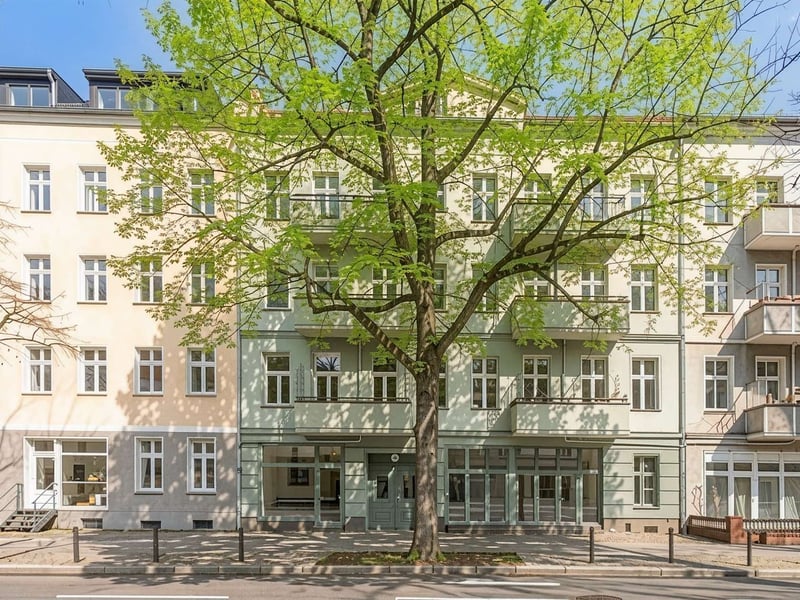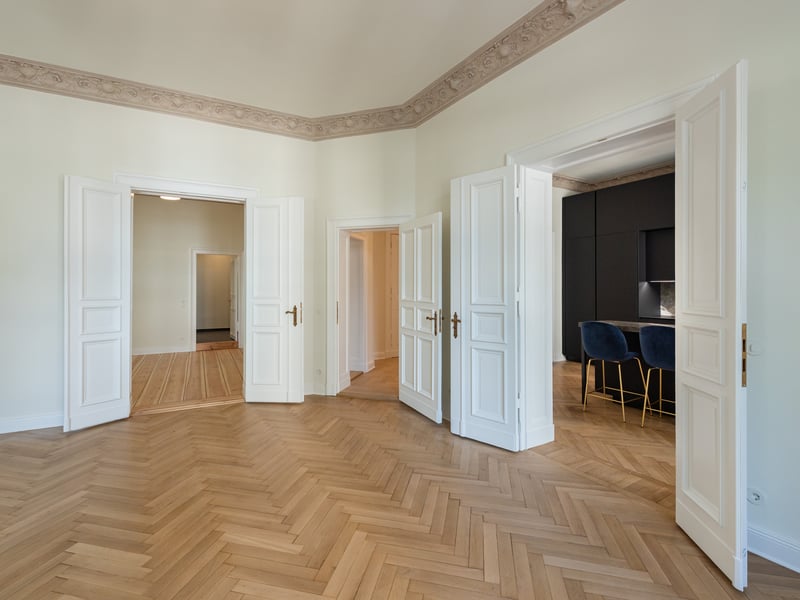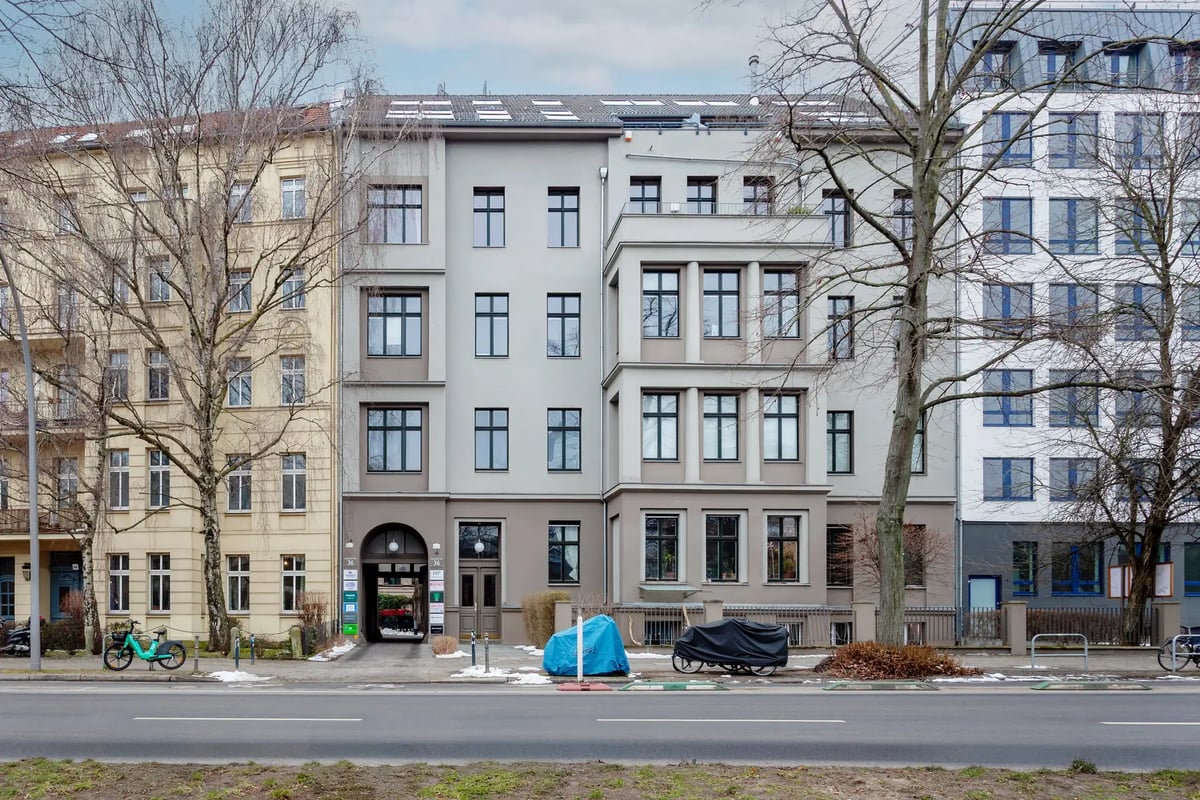


According to Berlin's statistics office, the city recorded nearly one million guest arrivals in March 2015 (+9.6% year on year) and over 2.3 million overnight stays (+8.9%). For the first quarter as a whole, guest numbers were up 7.1% and overnight stays up 8.3%. At the same time, the ban on misuse of residential space, in force since May 2014, is reshaping the accommodation market.
Fewer holiday lets, higher occupancy
The law prohibits converting residential space into holiday apartments without permission. In boroughs such as Mitte and Friedrichshain-Kreuzberg, the number of holiday lets offered through online platforms had risen sharply in previous years. The official accommodation market already feels the effects: the number of registered establishments dipped slightly to 793 (-1.2%), while average bed occupancy in March rose from 50.9% to 54.9%. Less competition from the grey market benefits hotel operators and serviced apartment providers.
Hotels gain, holiday-let landlords lose
Anyone who relied on short-term letting to tourists needs to reconsider. Borough authorities have announced tighter inspections and fines. In many cases, the only legal alternative is returning to the regular rental market.
This shift could slightly increase the supply of rental apartments in Berlin in central locations. With bed occupancy already up to 54.9 percent and population growth unbroken, however, the regulated stock ban is unlikely to ease the market noticeably. Rents and purchase prices in Berlin keep moving up, that is what the market trend signals.
For investors in the hotel segment, conditions are improving. The regulation strengthens the official sector and provides greater planning certainty for hotel and apart-hotel investments.
Disclaimer
This article is for general information only and does not constitute tax or legal advice. The content does not replace individual consultation with a tax advisor or attorney. No liability is assumed for accuracy or completeness.