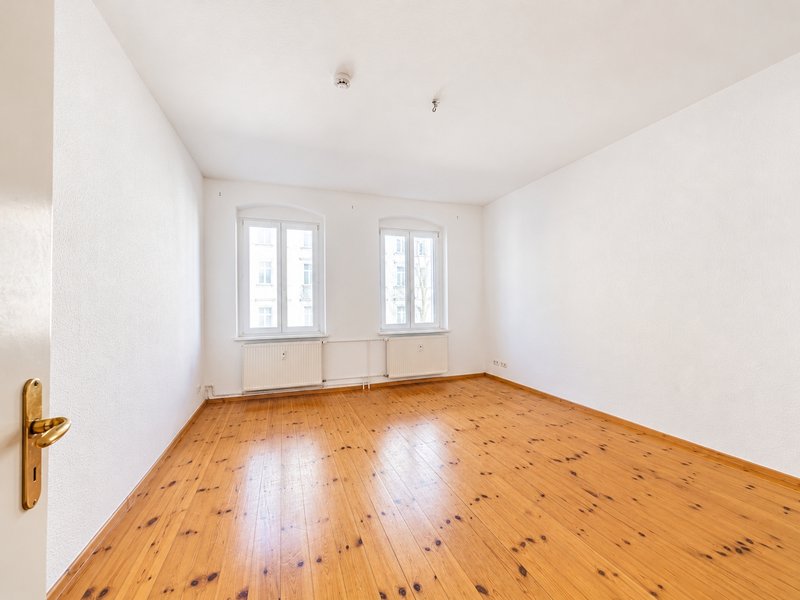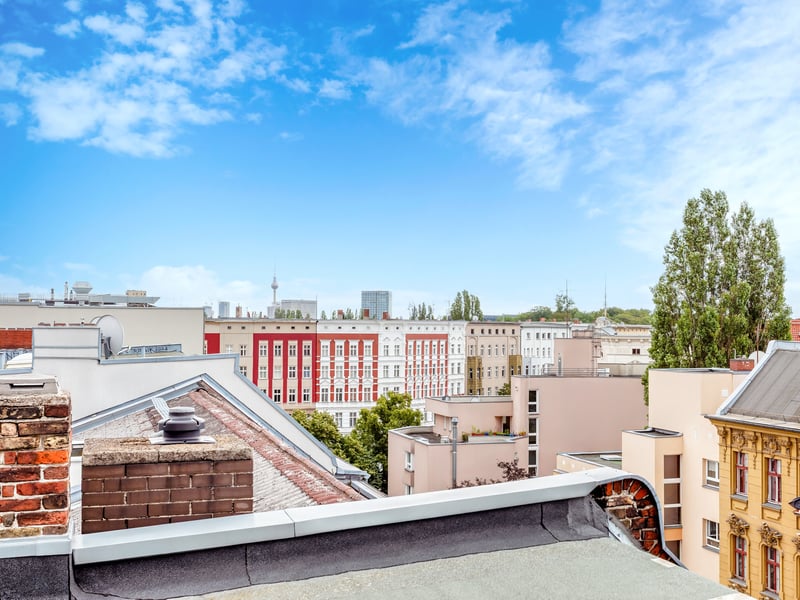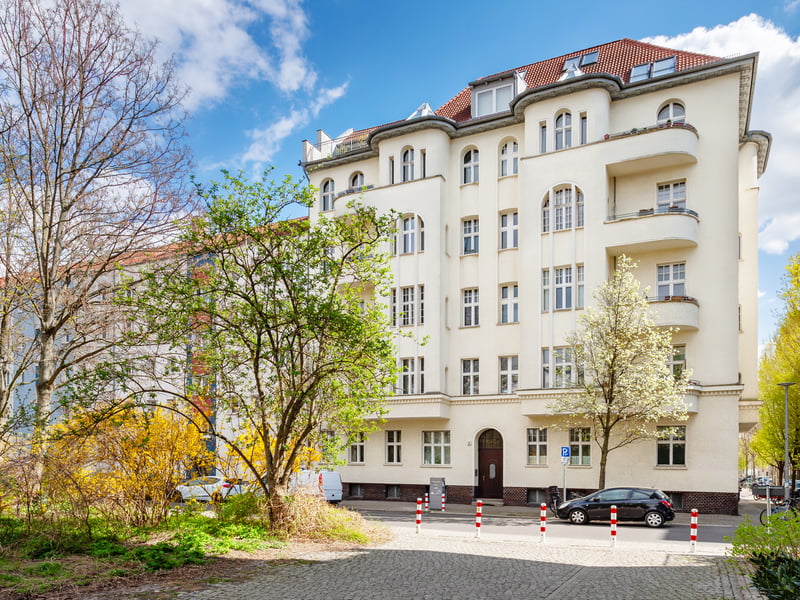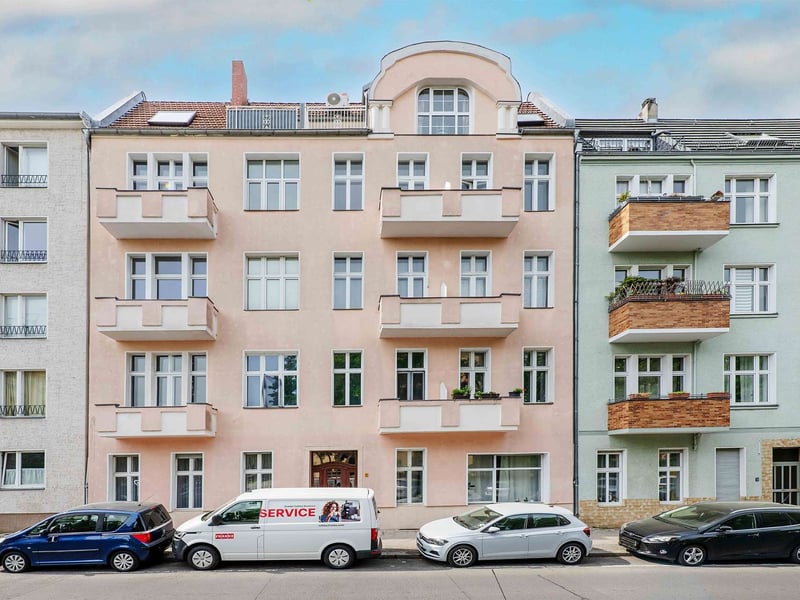


Berlin was and remained a city of renters. Although the property market was booming and construction activity increasing, the number of homeowners grew only slowly. According to the Statistical Office, just 15.4 percent of Berliners lived in their own property in 2011. The national average was around 43 percent. Berlin ranked last.
The numbers in comparison
Saarland led with over 60 percent, followed by Rhineland-Palatinate. Berlin had seen only a rise from 10 to 15.4 percent since 1993. Even Hamburg posted higher rates. The construction activity at the time was likely to nudge the figure upward slightly, but a fundamental shift was not in sight.
Why so few Berliners owned property
For decades, rent levels in Berlin were low compared to other major cities. There was little incentive to put savings into homeownership. When the government scrapped the homeowner subsidy (Eigenheimzulage) in 2006, interest fell further. For many Berliners, renting was simply the easier option, while buying an apartment in Berlin was treated as a special case. The market development was changing this only gradually.
Transfer tax and income levels
Two factors made buying even harder. The real estate transfer tax had been raised step by step from 3.5 percent (until 2012) to 5 percent (2013) and finally to 6 percent (2014).
At the same time, disposable income per capita in Berlin stood at 17,601 euros in 2012, or 85.8 percent of the national average. Income growth of 1.7 percent lagged behind the nationwide increase of 2.2 percent. The gap was actually widening.
What this meant for the property market
For investors, the picture was clear: the high renter share ensured stable demand for rental properties. The market for investment apartments was attractive. At the same time, the lower income level limited the pool of potential buyers on resale.
The low homeownership rate was also a politically sensitive issue. A mix of rental and owner-occupied apartments was considered the foundation for socially stable neighbourhoods. From an investor's perspective, up-and-coming boroughs such as Neukoelln offered particularly interesting opportunities.