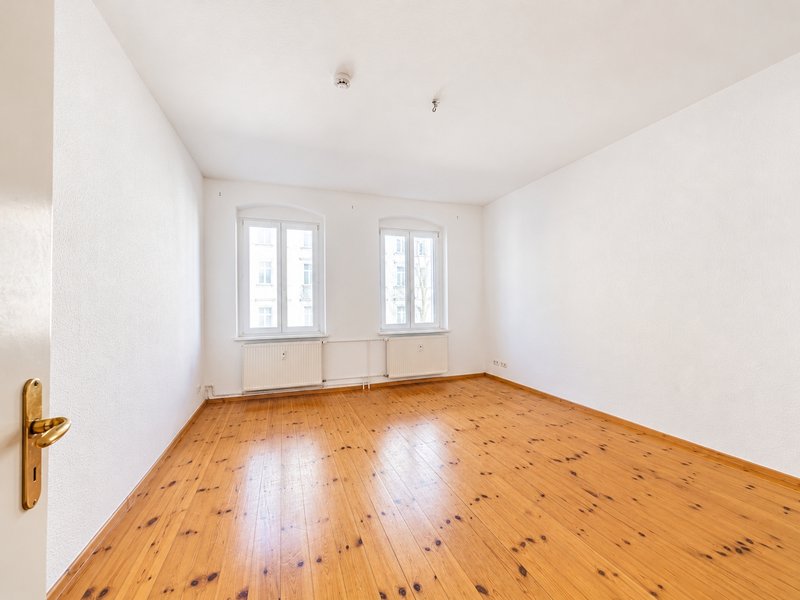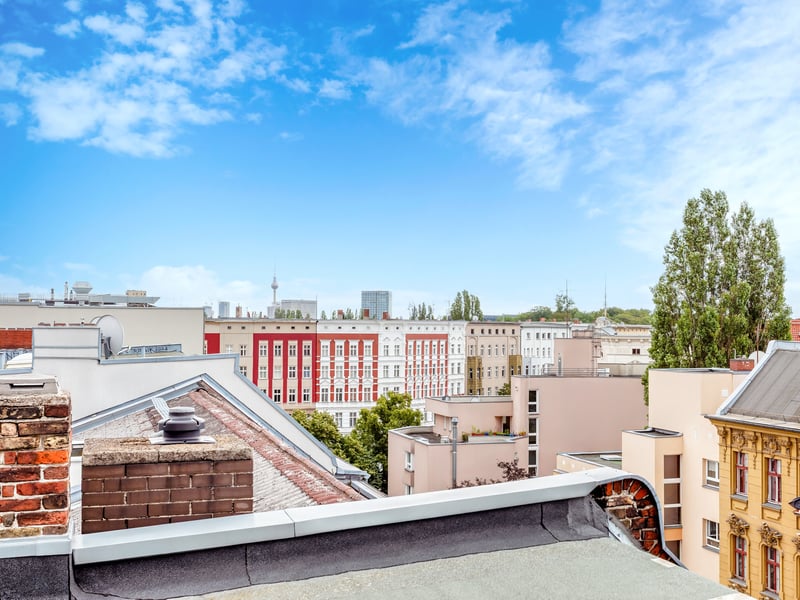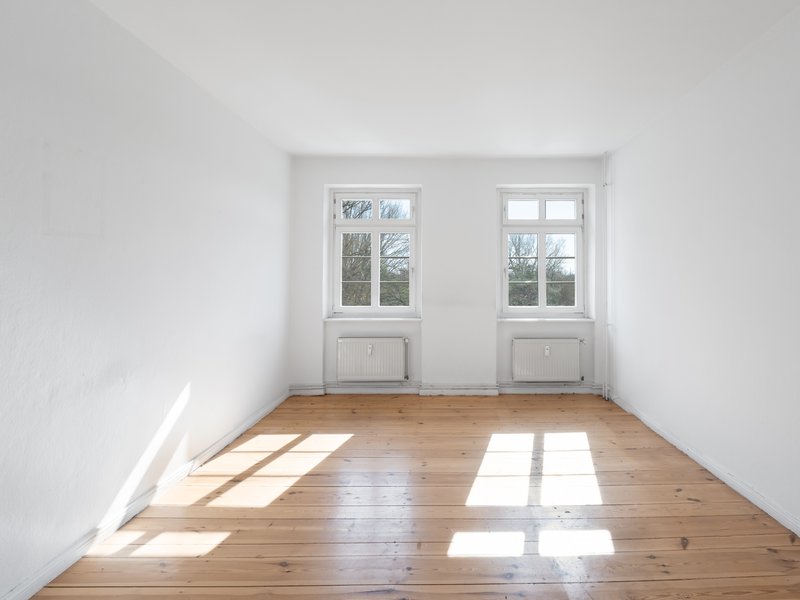


According to a study by the Pestel Institute, Berlin's homeownership rate stands at around 15 percent. In a national comparison where nearly every second household lives in owner-occupied housing, this is the lowest figure. The rate has stagnated for decades: it was 8.3 percent in 1968 and 15.3 percent in 2011.
Three barriers to homeownership
The study identifies concrete obstacles. Berlin's property transfer tax (Grunderwerbsteuer) stands at 6.0 percent. On a purchase price of 300,000 euros, that alone amounts to 18,000 euros in taxes that must come from equity. The EU Mortgage Credit Directive, in effect since March 2016, has tightened financing conditions. Young families with fixed-term contracts or fluctuating incomes find it harder to obtain mortgage approval. And available building land in the capital is scarce and expensive, pushing end prices for new-build apartments higher. In central boroughs like Mitte, prices have become difficult for owner-occupiers to afford.
Inward migration reinforces the trend
Continued migration into the metropolis keeps the rate low. New Berliners primarily seek rental housing. Over the past four years, Germany recorded a net migration gain of around 2.6 million people, according to the Federal Statistical Office. Since this group mostly gravitates toward major cities and predominantly seeks rental apartments, the homeownership rate in cities like Berlin remains structurally low.
For property owners and investors, this strong rental demand secures stable income. At the same time, pressure on the rental market is growing, making political regulation more likely.
Lagging behind in Europe
Germany ranks 22nd out of 24 European countries in homeownership rates. Spain stands at 78.9 percent, Italy at 72 percent, France at 57.5 percent. According to OECD data, Germany spends just 0.17 per mille of GDP on homeownership promotion.
Solutions proposed by the study
The Pestel Institute suggests equity grants for lower and middle income groups. Property transfer tax exemptions for first-time buyers could also lower the barrier. Following the Dutch model, a fund could be established where a one-time payment of 1 percent of the loan amount covers borrower payment gaps and reduces the risk of foreclosure.
Whether policymakers will adopt these proposals remains open. Structurally high demand for rental apartments is likely to remain the defining characteristic of Berlin's housing market.