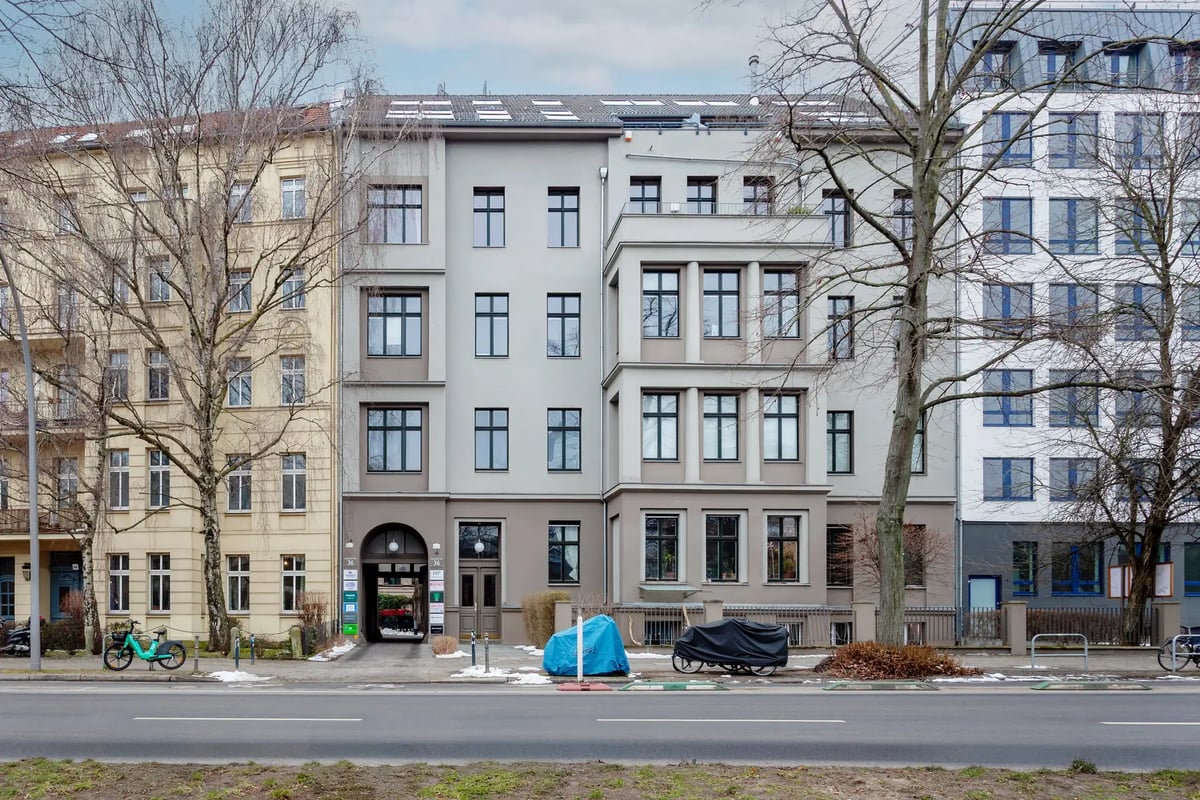


The Berlin Senate pursues a clear goal: keep existing residents in their neighborhoods and make it harder to convert rental apartments into condominiums. With growing demand and limited supply of apartments in Berlin, an extensive set of regulations has developed over the years.
Milieu protection: The boroughs' sharpest tool
The conservation statute under Section 172 of the German Building Code (BauGB), colloquially known as milieu protection (Milieuschutz), aims to preserve the "composition of the residential population" and prevent luxury renovations. In designated areas, many construction measures require prior approval.
What this means for property owners: energy efficiency upgrades or bringing an apartment to a contemporary standard are usually unproblematic. Measures considered value-enhancing, however, face strict scrutiny. These include balconies over 4 sqm, the installation of an elevator, or a guest bathroom. Whether an elevator counts as luxury in an aging population is debatable. Approval is often granted only with an urban development contract in which the owner commits to forgoing substantial rent increases for several years.
Conversion ban and pre-emption rights
In milieu protection areas, splitting apartment buildings into condominiums is generally denied. An exception exists when the owner contractually commits to selling the apartments exclusively to existing tenants for seven years. Since few tenants exercise their pre-emption rights, this represents a considerable obstacle for investors. Additionally, the eviction protection period after the first sale of a converted apartment has been extended to ten years across the entire city.
Rent cap and cap on rent increases
Since June 1, 2015, the rent cap (Mietpreisbremse) applies across all of Berlin: new rental agreements may not exceed the local reference rent by more than 10%. Exceptions apply to new construction, first rentals after comprehensive modernization, and cases where the previous rent was already at that level.
For existing tenancies, the cap on increases (Kappungsgrenze) applies. Since May 2013, rent increases may not exceed 15% within three years. Both measures limit return potential and shape market trends in boroughs such as Neukoelln and Friedrichshain-Kreuzberg.
Ban on short-term rentals
Since May 2014, the Zweckentfremdungsverbot ensures that residential space is used for residential purposes. Converting apartments into vacation rentals, offices, or commercial space requires a permit and is rarely granted. After a transitional period expired in April 2016, the boroughs, led by Mitte, have been cracking down on illegal short-term rentals.
The bottom line
These regulations create a demanding environment for owners and investors – buyers, sellers and landlords benefit from guidance by a Berlin real estate professional who can navigate the regulatory hurdles around milieu protection and the rent cap. They slow rent increases in the short term but do not solve the underlying problem of housing scarcity. As long as new construction activity does not increase substantially, these instruments will continue to define Berlin's real estate market.
Disclaimer
This article is for general information only and does not constitute tax or legal advice. The content does not replace individual consultation with a tax advisor or attorney. No liability is assumed for accuracy or completeness.