

Berlin is Germany's largest university city. Around 200,000 students at 43 institutions, plus thousands of researchers and tech professionals. For the property market, this steady influx creates demand that extends well beyond traditional student quarters, spreading across the city through new research and technology campuses.
Four locations investors should know
The connection between science, business and urban development creates targeted demand centres.
Adlershof in Treptow-Koepenick is Germany's largest science and technology park. Institutes of HU Berlin and over 1,200 companies are based here. Demand for housing from researchers, founders and employees remains consistently high.
In Spandau, Siemensstadt 2.0 is creating an entirely new city quarter. The billion euro Siemens project is transforming the historic site into a research and technology campus that combines working and living.
The EUREF Campus in Schoeneberg attracts companies from the energy and mobility sectors. The presence of large corporations and startups increases the appeal of the surrounding residential area.
The Urban Tech Republic is planned for the site of the former Tegel airport, a research and industrial park that positions Berlin's northwest as a future focused location.
Compact apartments: the most sought after asset class
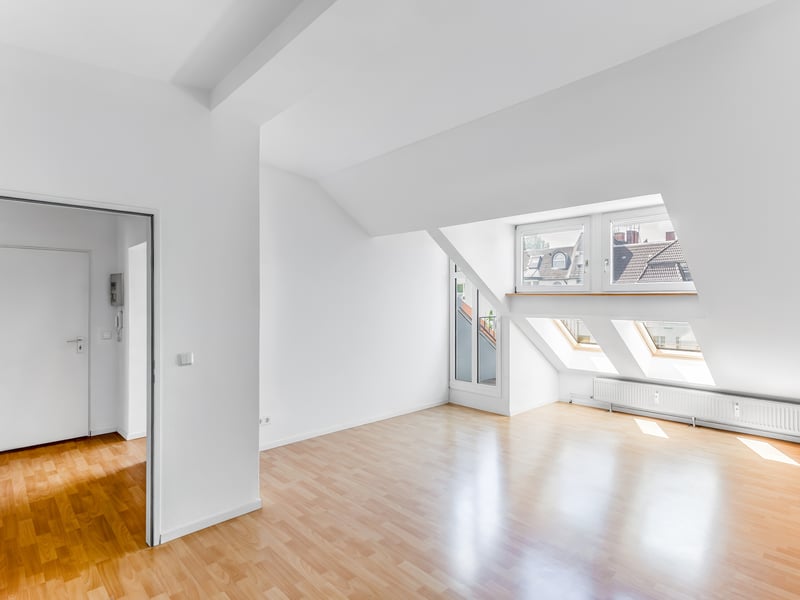
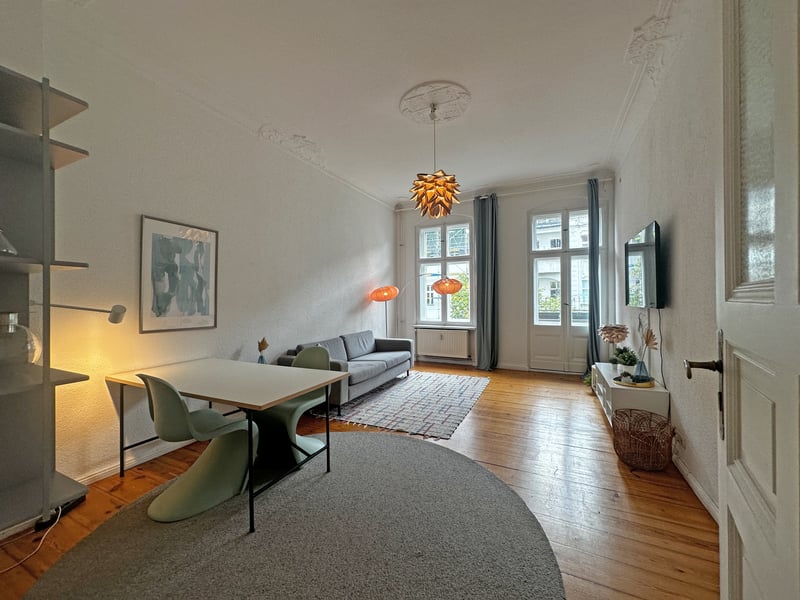
Students and young international professionals look for small, well connected units. Around 40 percent of all Berlin households are single person households. This makes compact apartments and micro apartments one of the highest yielding segments. Rising enrolment numbers and continued influx of skilled workers support this demand.
Knowledge economy supports the broader market
The effect is not limited to niche segments. Companies like Siemens and the numerous tech firms pay above average salaries. This raises purchasing power and supports demand in the mid range and upper rental segments. According to the Berlin-Brandenburg Statistics Office, more than half of Berlin's workforce is highly qualified, the highest share among German metropolitan areas.
For existing property holders, this means rental security and room for moderate adjustments. The market development in Berlin is not driven by short term trends but by a foundation of education, research and a growing knowledge economy.