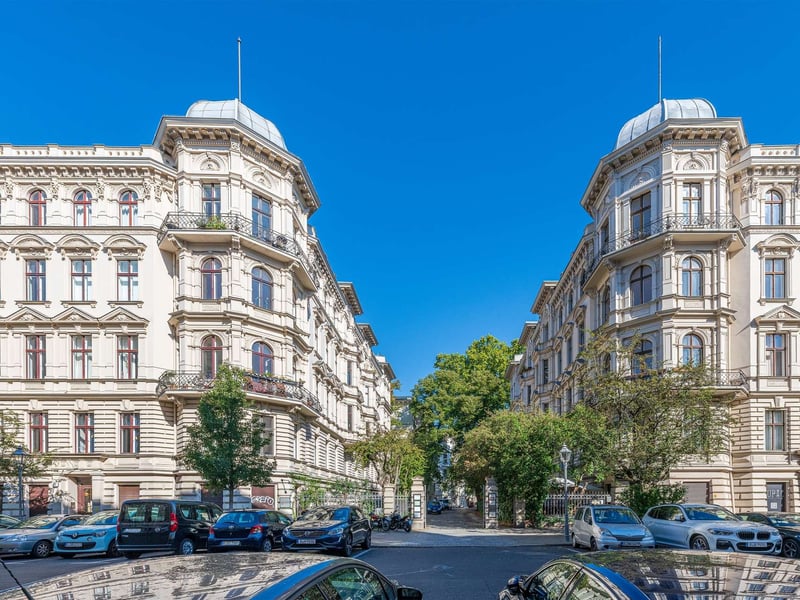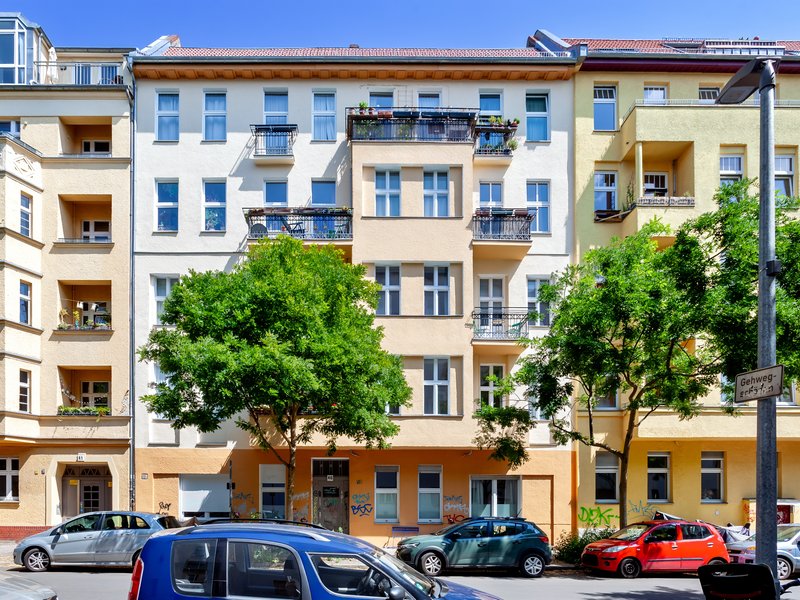


The Senate Department for Urban Development and the Berlin-Brandenburg Statistics Office have released a new population forecast. In the medium scenario, Berlin will grow by roughly 265,000 people to 3.828 million residents by 2030. A more optimistic estimate sees the four-million mark within reach as early as 2020.
More children, far more seniors
The demographic shift changes not just total numbers but also the age structure. The working-age population (18 to 65) remains broadly stable. At the edges, however, the shifts are pronounced:
- Children and young people under 18: up 15 per cent
- Seniors aged 65 and over: up 25 per cent
- People aged 80 and over: up 66 per cent
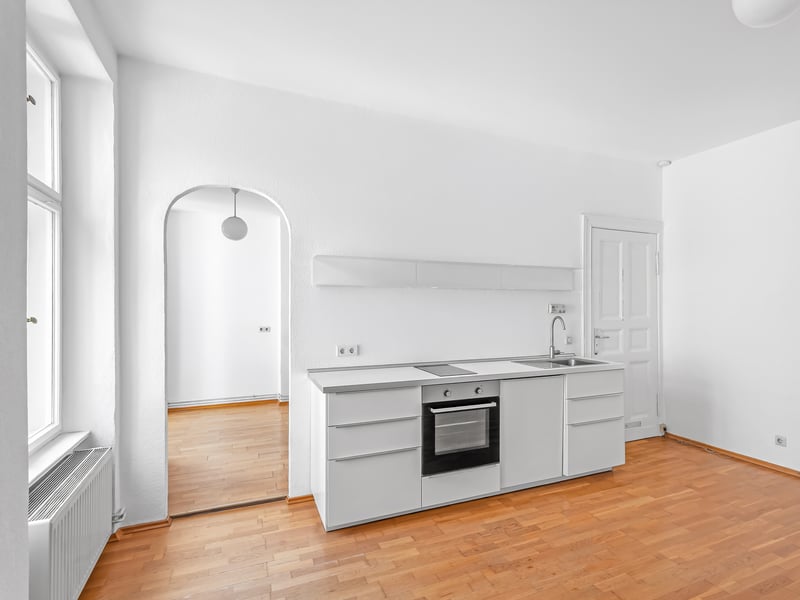
This reshapes demand for apartments in Berlin. Larger family units will be needed alongside barrier-reduced smaller apartments for older residents.
Where Berlin grows fastest
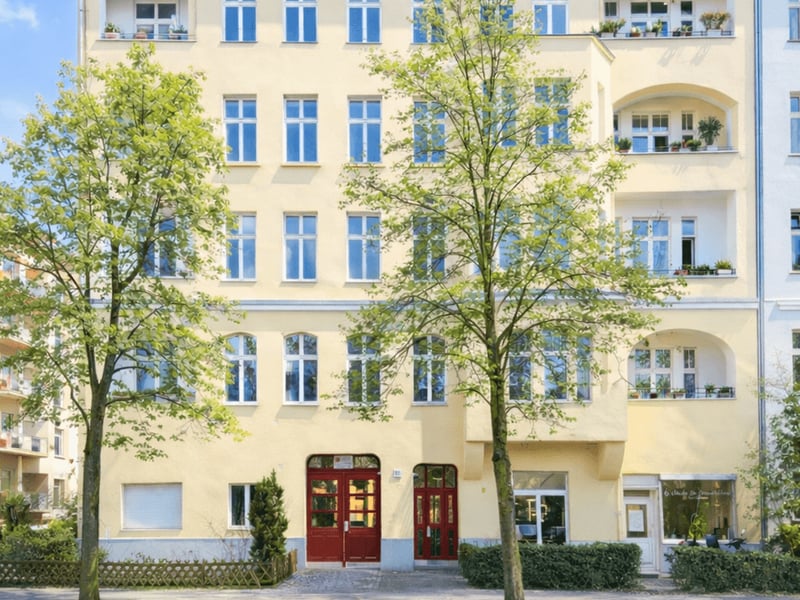
According to the forecast, Pankow will see the strongest growth, followed by Lichtenberg and Reinickendorf. These boroughs still offer development land compared to central locations and are attracting inbound migration.
Market data confirm that locations beyond the S-Bahn ring are increasingly in demand.
Senate response: build more, invest in infrastructure
Senator for Urban Development Andreas Geisel called the growth an opportunity: "We will shape Berlin in a socially fair and sustainable way by building more apartments, more nurseries and school places, and creating new jobs." The forecast is to serve as the planning basis for housing construction and infrastructure.
For investors, the takeaway is clear: pressure on the housing market will persist. Family apartments and senior-friendly housing in the fast-growing boroughs are likely to see the strongest demand.