

Berlin continued to grow in 2014. According to the Office for Statistics Berlin-Brandenburg, the population increased by over 3,500 in January alone, slightly above the figure for the same month the previous year (3,400). By the end of the month, Berlin had 3,425,300 registered residents.
Migration as the growth engine
The increase was almost entirely driven by immigration. In January 2014, roughly 14,200 people moved to Berlin while only around 11,000 left. That produced a net migration surplus of 3,200 people. Of those, 2,900 were foreign nationals. A modest natural population gain of 278 (1,912 births versus 1,634 deaths) added to the total.
The figures were published with a delay of nearly one year because the census-based evaluation process was time-consuming.
Impact on the housing market
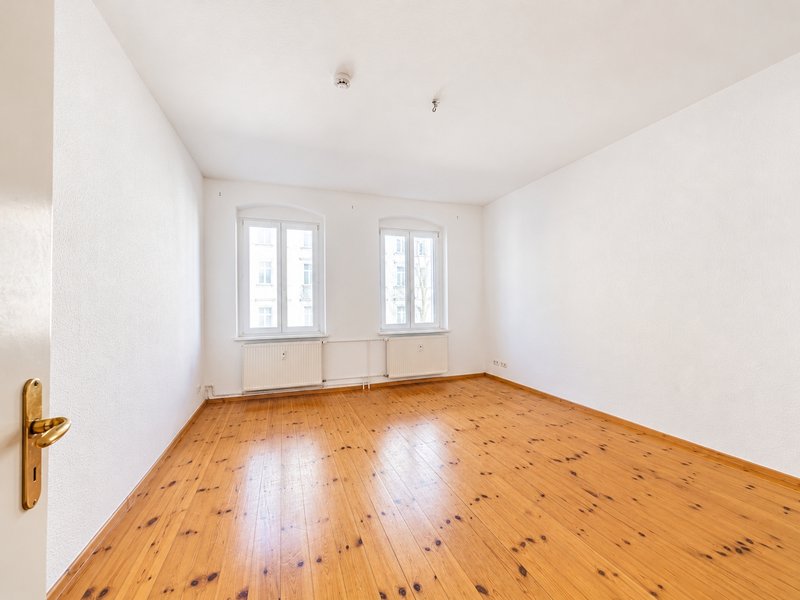
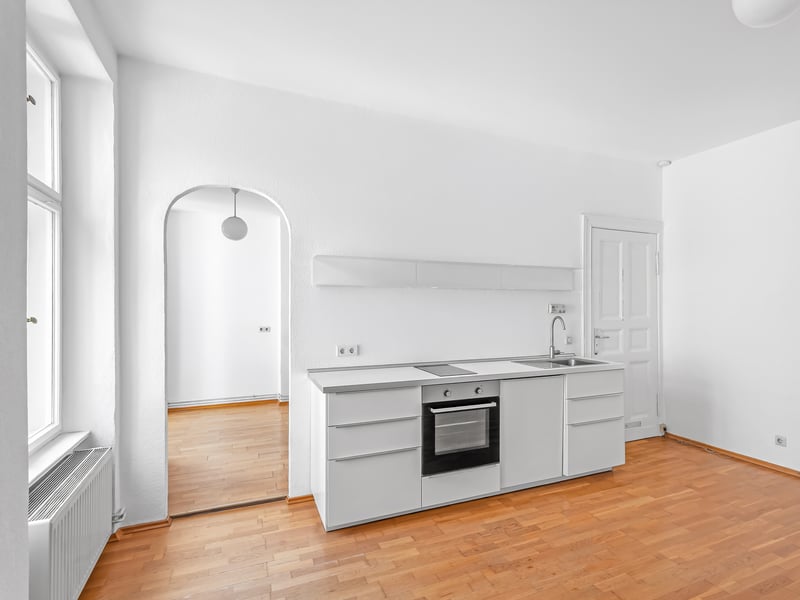
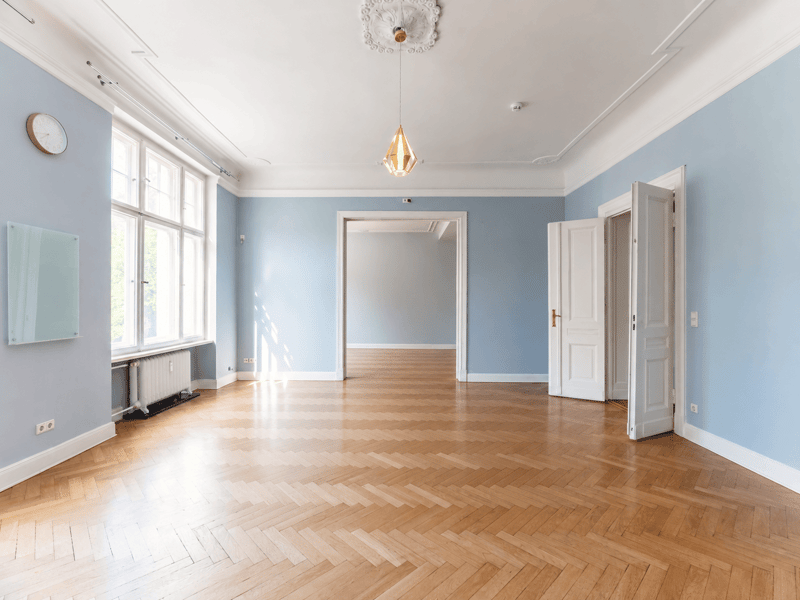
Every new resident needs a place to live. With tens of thousands of people arriving each year, pressure on Berlin's already tight rental market kept rising. For owners of apartments in Berlin, this meant steady demand. For investors, it created a favourable environment.
Where the influx was most visible
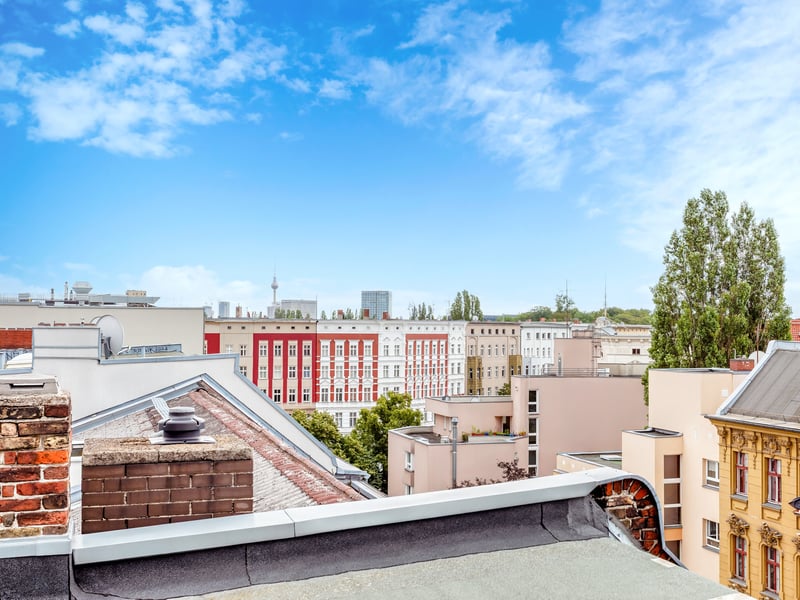
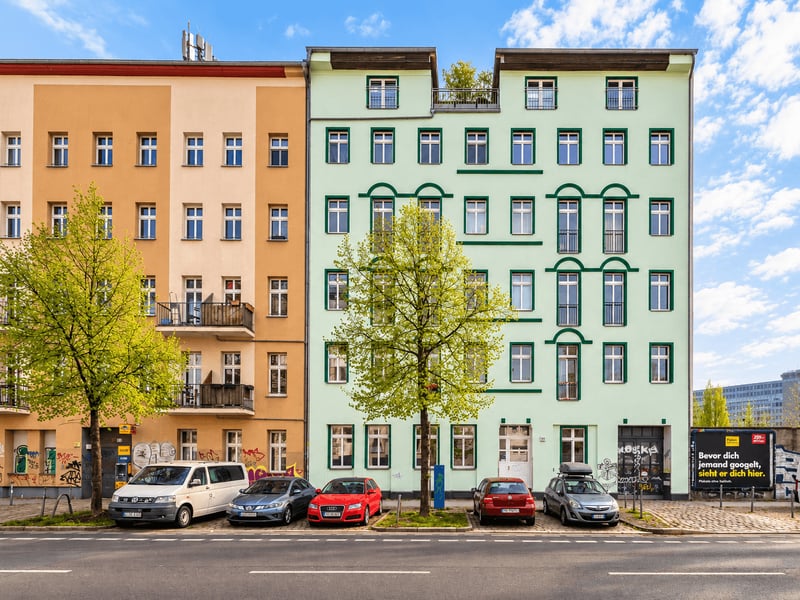
Population growth was concentrated in inner-city boroughs. Locations such as Friedrichshain-Kreuzberg, Neukoelln and parts of Mitte attracted young, international newcomers. This boosted not only the rental market but also local infrastructure and the neighbourhood economy.
Putting the numbers in context
The January 2014 figures confirmed a trend that had been building for years. There was no sign of the growth slowing down. For Berlin's property market, the implication was clear: demand would outpace supply for the foreseeable future. The market development of subsequent years proved this assessment correct.