
Berlin grows by 60,000 residents in 2016
According to the Statistical Office of Berlin-Brandenburg, Berlin's population grew by a net 60,000 in 2016. 97 percent of that growth came from in-migration; natural population changes like births and deaths played only a minor role. For owners and investors, this means continued rising demand for apartments in Berlin.
Lichtenberg and Mitte lead the boroughs
The migration balance by borough shows clear frontrunners: Mitte at +8,171, Lichtenberg at +7,979, and Pankow at +7,434 residents. All three benefit from a mix of new construction projects, good infrastructure, and still moderate prices in parts.
The surprise: Neukoelln was the only borough with a negative migration balance in 2016 (-881). This may point to rising prices pushing residents to other parts of the city. At the same time, Berlin lost a net 8,200 residents to the surrounding Brandenburg region, an early sign of suburbanization.
International migration as the driving force
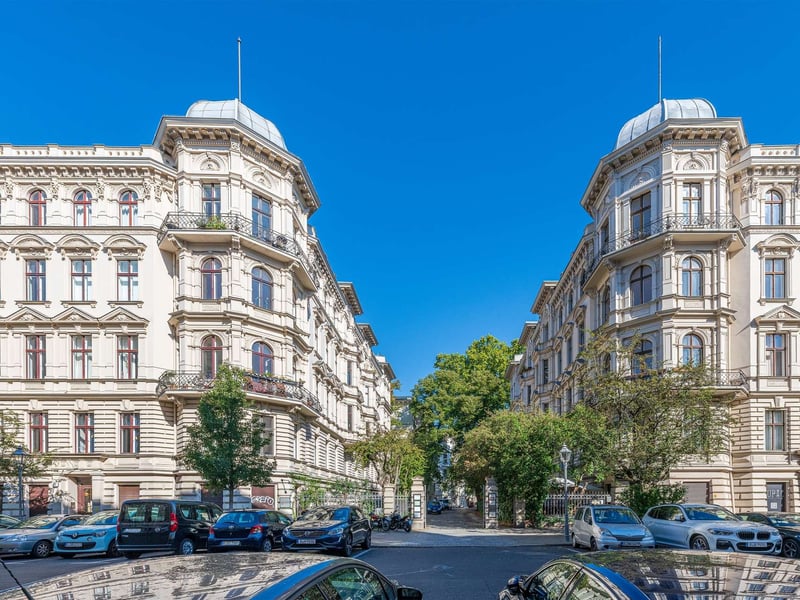
About two thirds of the 216,000-plus newcomers to Berlin in 2016 came from abroad. Migration is still shaped by refugees from Syria and Afghanistan, plus a catch-up effect from 2015 registrations. But in-migration from EU countries and the US also remains steady. American newcomers tend to favor locations like the Chamissokiez in Kreuzberg or the Heine quarter in Mitte. This international demand supports the market development and price levels in central locations.
Shifting housing demand
Strong immigration is changing the demand structure. The Federal Association of Independent Real Estate and Housing Companies (BFW) points out that beyond short-term accommodation in modular housing or temporary containers, long-term housing concepts are also needed. Demand goes beyond small apartments for newcomers and students: age-appropriate housing is equally necessary. Forward-looking housing construction needs to cover both integration and the needs of the existing population.