

Two forces reshaping the market
After more than a decade of steadily rising prices, Berlin's property market entered a new phase in 2023. Two developments are driving the shift: the ECB's interest rate turnaround and the energy transition, specifically the Building Energy Act (GEG). Both are changing how properties are valued and traded.
Interest rate turnaround: financing costs rise sharply
Mortgage rates have climbed from around one percent to over four percent. For buyers, that means significantly higher monthly payments. Banks are lending more cautiously and demanding more equity. Demand is falling and property prices in Berlin are under pressure, with mortgage rates having quadrupled from one to over four percent. Properties in less central locations or those requiring renovation are already seeing price corrections as the pool of buyers shrinks.
The ECB raised its key rate to 3.75 percent in May 2023. For context: in summer 2008, the rate stood at 4.25 percent before the central bank cut it to around one percent in several steps. ECB board member Isabel Schnabel stated in May 2023 that the inflation outlook remained too high, with the full effects of tight monetary policy expected only in 2024.
The ECB's March 2023 inflation projections: 5.3 percent for 2023, 2.9 percent for 2024, and 2.1 percent for 2025. If these numbers hold, a first rate cut could come no earlier than the first quarter of 2024.
Energy transition: efficiency class becomes a price factor
At the same time, building energy efficiency is becoming a pricing variable. The GEG requires owners to invest in energy retrofitting. In Berlin, around one million apartments are still heated with fossil fuels. Roughly 77 percent of the housing stock dates from before 1986.
The federal subsidy programme for efficient buildings (BEG) covers up to 40 percent of costs for measures like heating system replacements, with a cap of 60,000 euros per residential unit. Despite this support, properties with poor energy ratings (classes F, G, H) are trading at a discount because buyers factor in renovation costs.
An additional complication in Berlin: in social conservation areas, energy measures were previously only permitted when legally mandated. The 8 percent cost pass through to tenants will lead to higher net rents in many households.
Berlin's boroughs: uneven impact
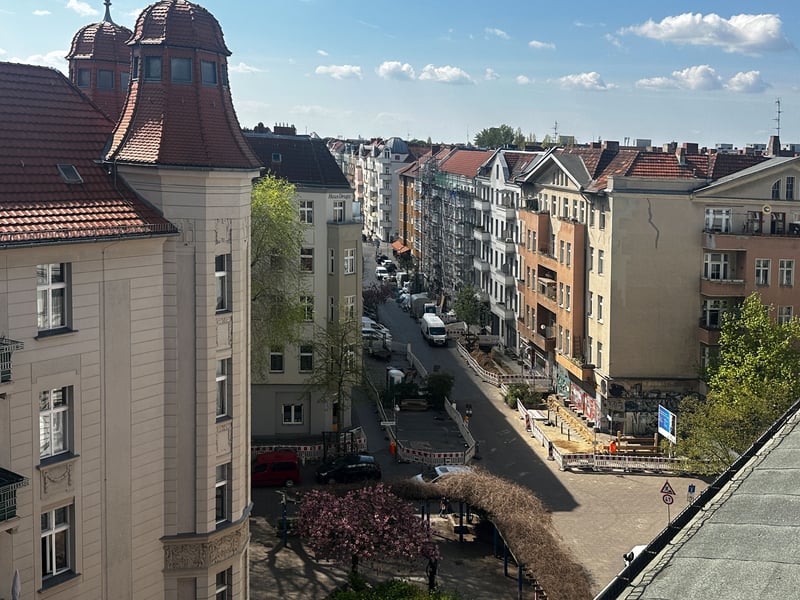
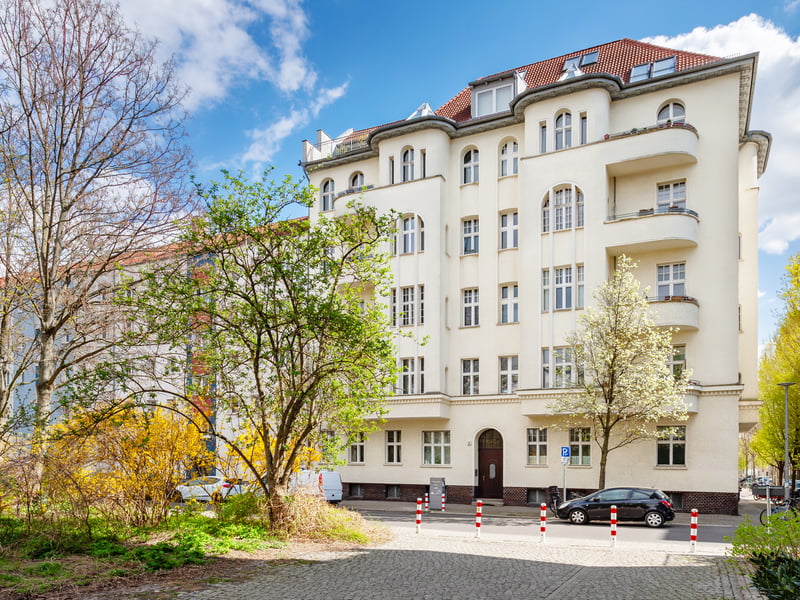
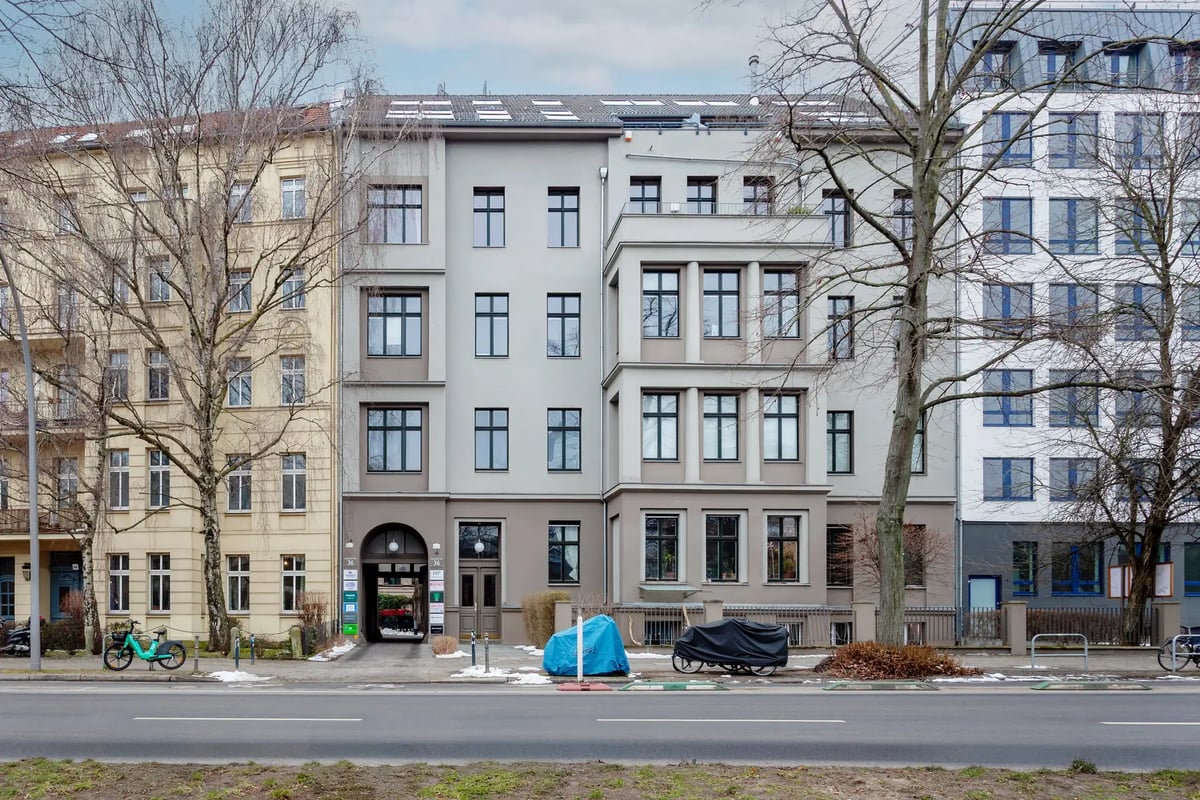
The new market conditions affect different locations differently. Well renovated properties in established areas of Mitte or Charlottenburg remain more stable in value. Unrenovated apartments in less central areas like parts of Neukoelln are under more pressure. The gap between energy efficient and renovation heavy properties is widening. Investors need to closely evaluate the energy condition and associated follow up costs when determining a purchase price.
More expensive market, changed buying behaviour
Berlin's property market has become more expensive and buying behaviour has changed. Moving from renting to owning is harder, equity requirements are higher. A return to low interest rates is not expected in the short term. At the same time, long term drivers continue to support the market: ongoing population growth, limited housing supply, and fundamental demand for apartments in Berlin. Owners looking to sell should adjust their price expectations to the new conditions. For investors, detailed analysis and realistic assessment of renovation potential can reveal new entry opportunities.