

Rent growth slowing down
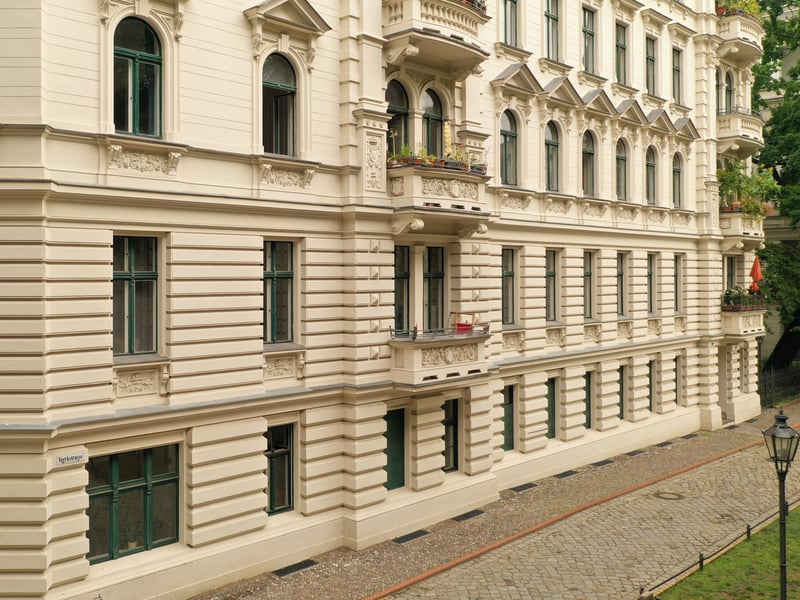
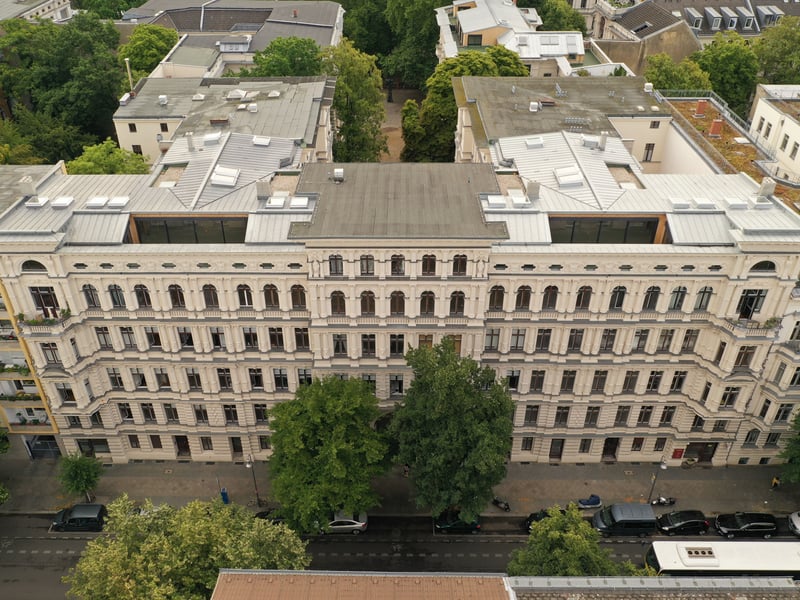
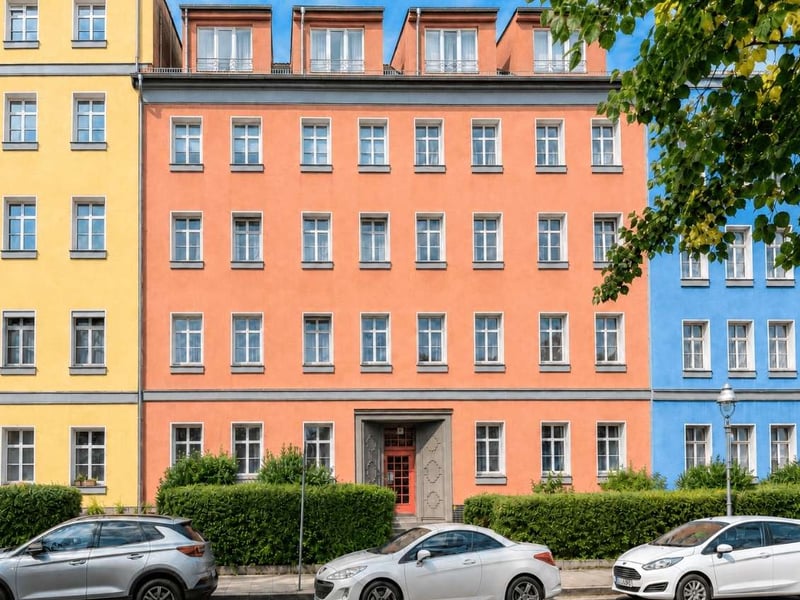
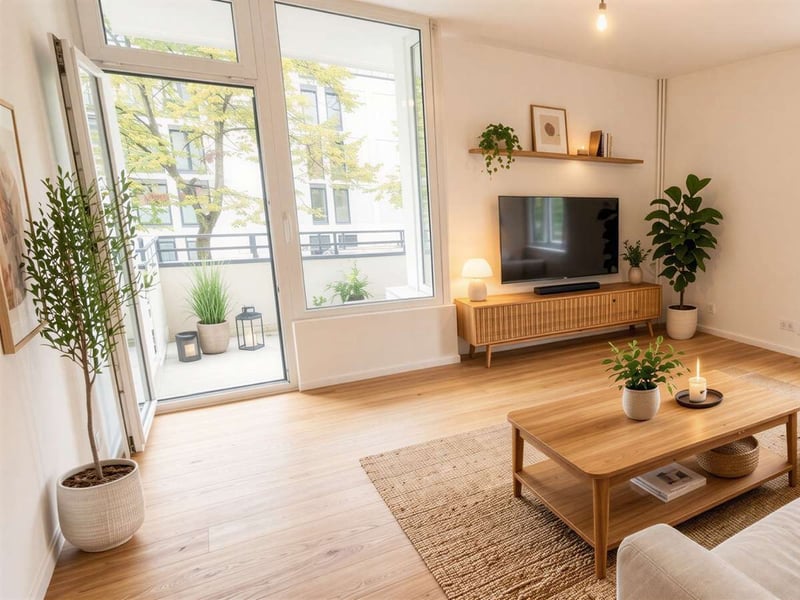
Berlin's rental market is still moving, but the pace of rent increases has eased. That is the finding of the 2015 Housing Market Report published by CBRE and Berlin Hyp. According to the report, asking rents for apartments in Berlin rose by 5.1% in 2015 to an average of just under 9.00 euros per square metre. The previous year saw a 6.6% increase. Falling ancillary costs partially offset the total rise in housing expenses. Structurally, however, pressure persists: the analysis of over 110,000 rental listings shows demand continues to exceed supply.
Large differences between boroughs
The picture varies considerably across the city. Mitte leads with a 7.0% increase, followed by Friedrichshain-Kreuzberg and Reinickendorf at 5.9% each. Growth is more moderate in Lichtenberg (+0.9%), Charlottenburg-Wilmersdorf (+1.8%) and Marzahn-Hellersdorf (+2.4%). But even there, the trend points upward.
Rent cap showing little effect so far
Although Germany's rent cap law has been in force for over a year, its impact on asking rents in Berlin appears limited. Market forces driven by demand and tight supply seem to outweigh the regulation. The cap does not apply to the upper market segment or new construction in any case.
Purchase prices for condominiums up by double digits
While rent growth slows, purchase prices for condominiums are accelerating. On average, prices rose by 10.1%. Strong population growth (around 40,000 new residents in 2014 alone, plus over 57,000 registered asylum seekers in 2015) meets insufficient new construction. The market trend is clear: investors in Berlin currently benefit from rising values.
Construction deficit and population growth drive the market
Demand for new housing remains high. Treptow-Koepenick has 3,300 apartments planned, Lichtenberg 3,650 and Mitte 4,870. Other boroughs lag behind: Marzahn-Hellersdorf at 220, Reinickendorf at 270, Tempelhof-Schoeneberg at 550 planned units. Berlin's Tenants' Association warns of a divided housing market and calls for more social housing construction. For owners and investors, the persistent gap between supply and demand supports stable value growth.