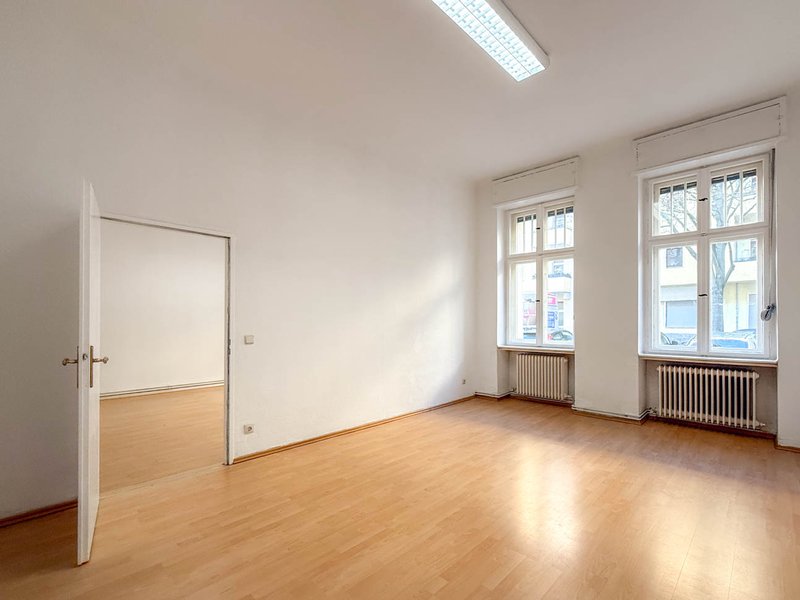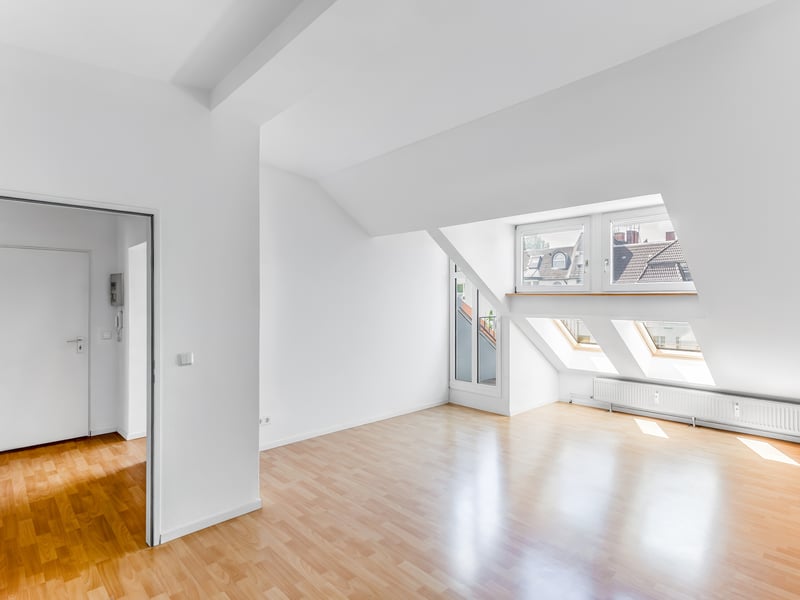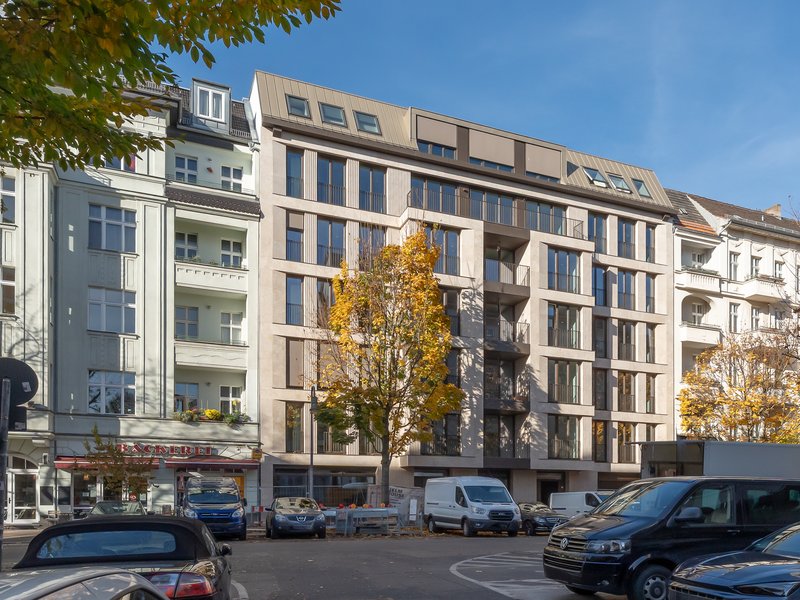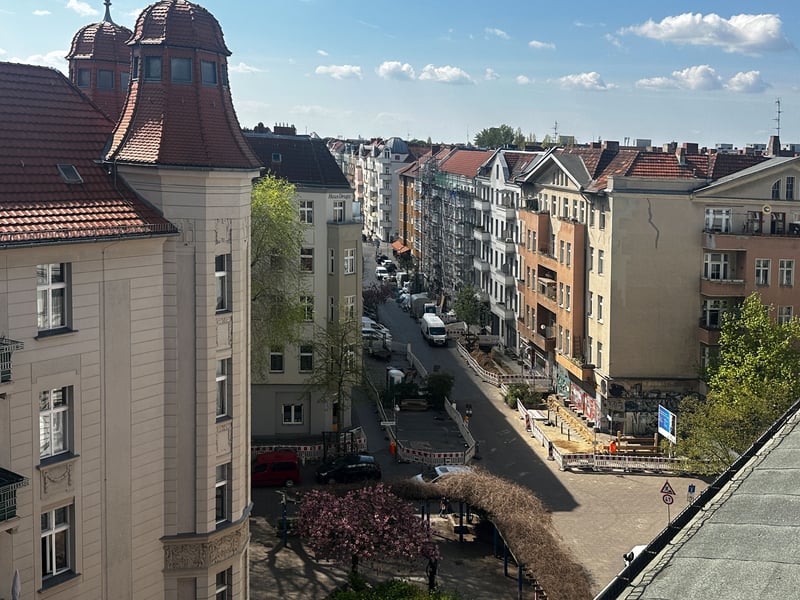


Berlin's rental market cooled noticeably by mid-2019. The July 2019 data confirmed what the preceding months had signaled: the median asking rent for resale apartments on the open market stood at around 11.30 EUR per sqm net cold. Compared with July 2018, that is an increase of 2.2 percent. Rental growth is now barely above the inflation rate. In the new-development segment, rents rose somewhat more, by 4.4 percent to a median of 16.60 EUR per sqm, but momentum is fading there too.
The end of double-digit increases
The figures need historical context. From 2016 to 2017, rents rose 13.3 percent. From 2017 to 2018, that halved to 5.2 percent. Now it stands at 2.2 percent. The data do not show rents declining across the board, but the phase of rapid increases is over. The Berlin housing market is settling into a sideways movement at a high level.
Consolidation over quick returns
For owners and investors, the focus is shifting. The period when almost any investment in apartments in Berlin delivered quick returns through rent adjustments is over for now. Micro-location, property condition and long-term value retention matter more. Rent adjustments need to be planned more carefully and are more closely tied to the broader economic trajectory. At the same time, a more stable market offers greater planning certainty for long-term investment strategies.
Divergent trends across boroughs
The picture is not uniform. In the month-on-month comparison from June to July 2019, asking rents fell in the eastern boroughs: Marzahn-Hellersdorf by 5.0 percent, Weissensee by 4.3 percent and Lichtenberg by 3.2 percent. On the other side, Moabit rose by 7.1 percent and Neukoelln by 5.2 percent. Over the 12-month window, however, rents in Neukoelln actually dipped by 0.10 EUR per sqm, which underlines the volatility in individual sub-markets.