

According to the 2014 microcensus, evaluated by the Berlin-Brandenburg Statistics Office, 53.9 percent of all Berlin households consisted of a single person. That was 3.7 percentage points more than in 2004. Berlin was Germany's capital of single-person living, and the trend had direct consequences for the housing market.
Fewer large households, more people living alone
While single-person households grew, the share of households with three or more people declined: from 18.9 percent in 2004 to 17.7 percent in 2014. The figure had stabilized since 2011, but the long-term direction was clear.
Compared to the surrounding region, Berlin's position stood out. In Brandenburg, single-person households accounted for 37.4 percent, more than 16 percentage points below the capital.
Where the singles live
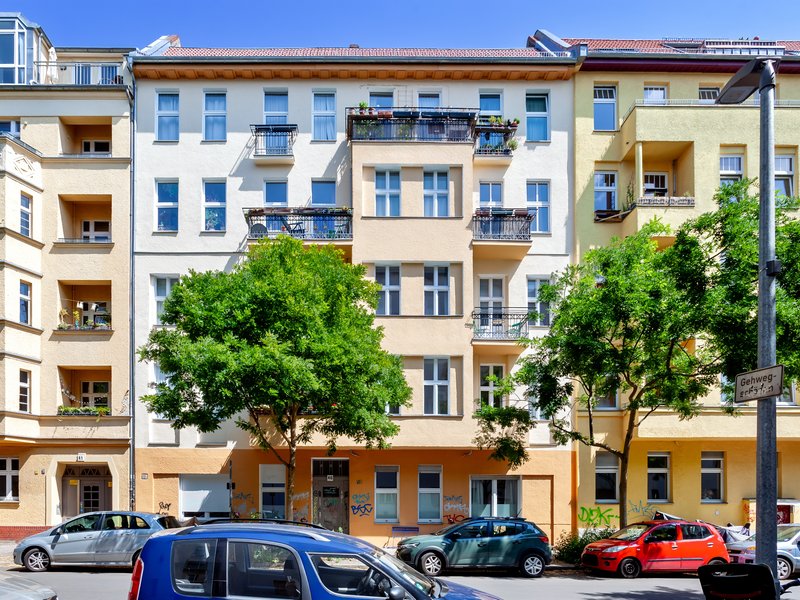
Demand from single-person households was not evenly spread. Central boroughs like Mitte and Friedrichshain-Kreuzberg traditionally had the highest shares. Neukoelln was also increasingly attracting young professionals and students. Infrastructure, cultural offerings, and proximity to workplaces and universities made these boroughs appealing to people living on their own. In outer boroughs with more detached and semi-detached housing, the trend was less pronounced.
What this meant for the property market
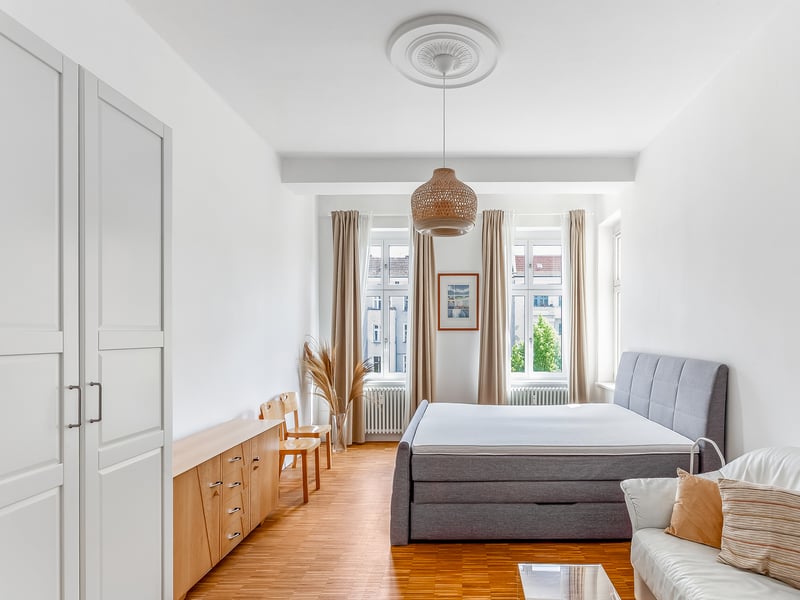
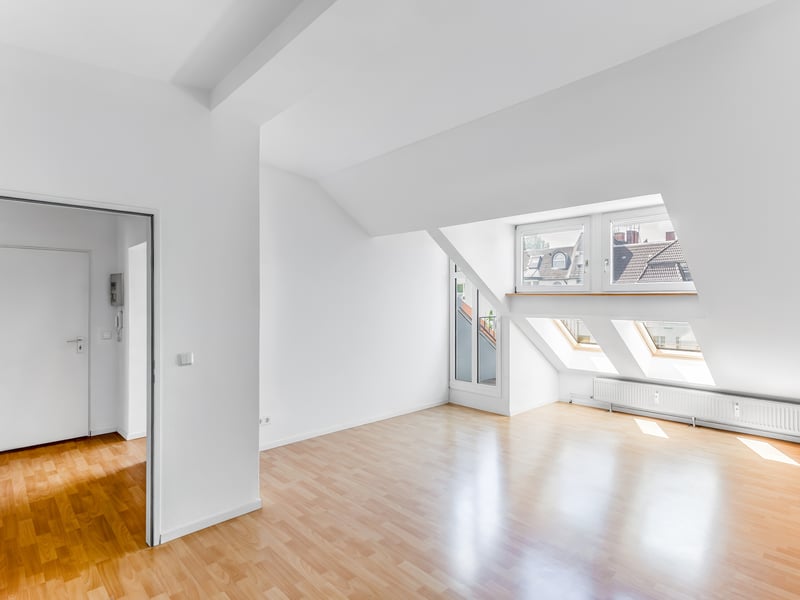
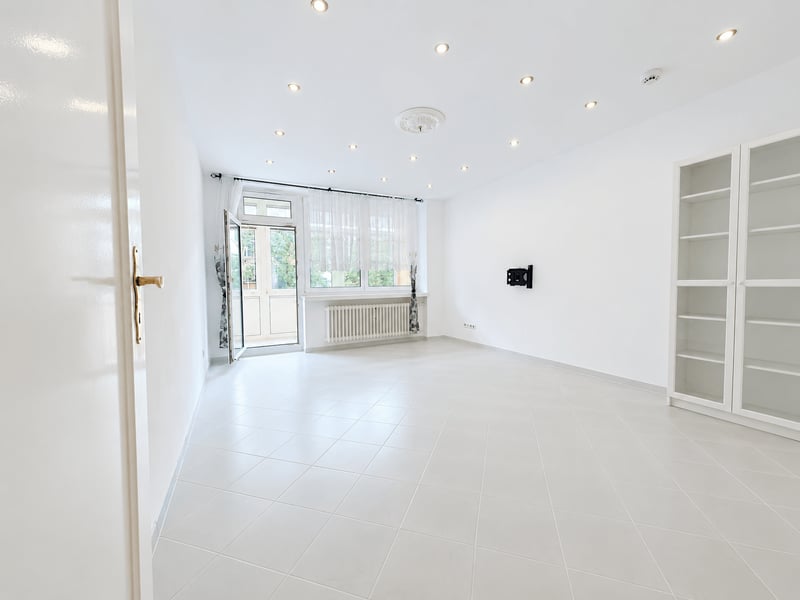
The rising share of single-person households shifted demand away from large family apartments toward smaller, efficiently designed units. One- and two-room apartments and micro-apartments saw increasing demand. For investors, this was a clear signal: small units in central locations promised high occupancy rates.
For renovations and new developments, it paid to adapt floor plans to the needs of single occupants. The market development in the years that followed confirmed this trend: demand for smaller apartments has continued to grow since then.