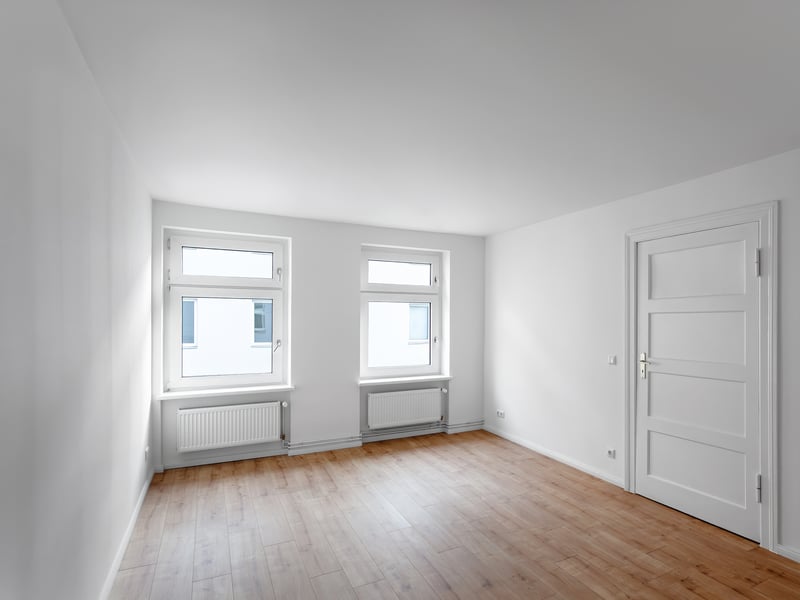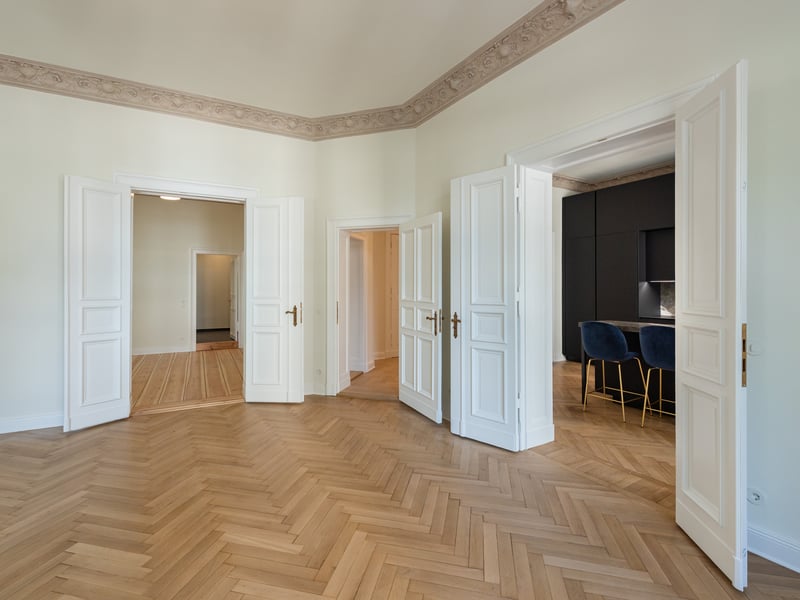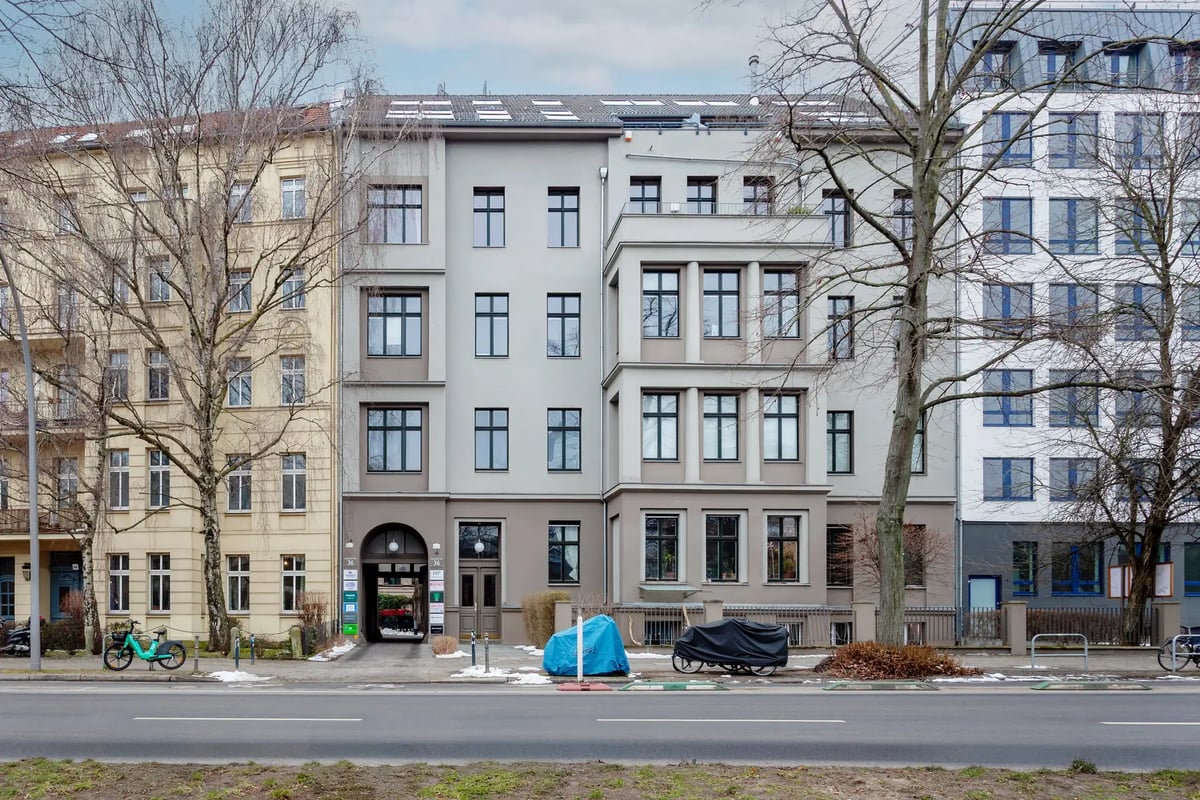


Berlin's six municipal housing companies are investing EUR 671 million in new construction, renovation, and modernization this year. Urban Development Senator Michael Mueller announced the figure at a press conference. The sum is 55 percent above the 2010 level. In practical terms, almost EUR 2 million flows into Berlin's housing market every day.
Modernization dominates, new construction catching up
Around EUR 527 million goes toward renovation and modernization of existing stock. According to Mueller, 82 percent of the municipal housing stock has already been partially or fully modernized. Since December 2011, nearly 30,000 renovated units have been added.
The shift in new construction is even more striking: in 2010, just EUR 1.2 million went into new apartments in Berlin. For 2014, the figure is around EUR 145 million. This shows that the Senate is rapidly accelerating new construction through its state owned companies.
Responding to a growing market
The investment push is a direct response to ongoing population growth and rising demand. The municipal companies are intended to play a stabilizing role in the housing market and secure affordable living space. Alongside new construction and renovation, the companies are also expanding their portfolios through acquisitions.
What private owners should consider
For private investors, the activities of the municipal companies have two sides. On one hand, competition increases in the segment of modernized apartments at moderate rents. On the other, large scale renovation measures upgrade entire neighborhoods. When state owned companies invest in a street block, this can raise the attractiveness of the surrounding area and thus the value of neighboring private properties. This effect is particularly noticeable in boroughs with strong development pressure like Pankow or Mitte.