

From 1 December 2013, the permitted lead level in drinking water falls from 25 to 10 micrograms per litre. The transition period for replacing old lead pipes expires. For owners of pre-1973 buildings in Berlin, the pressure to act increases.
Why lead pipes are a problem
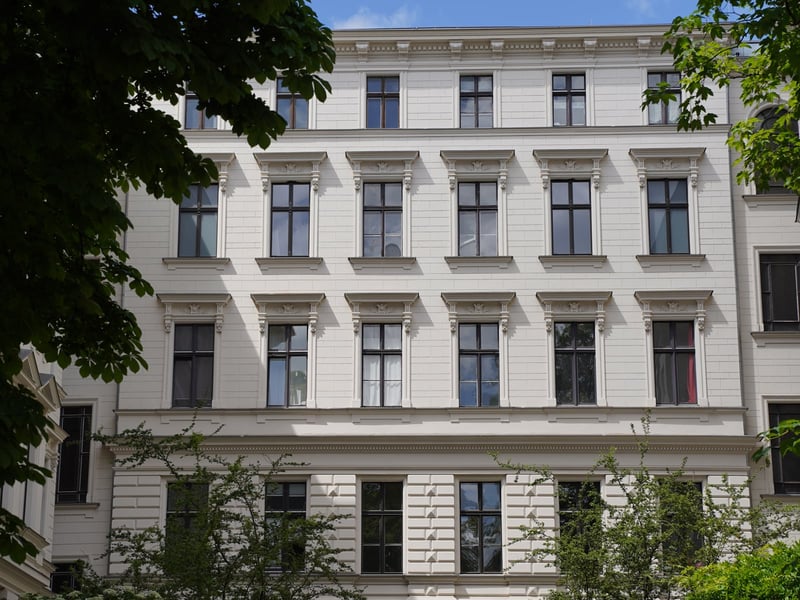
Lead pipes were installed in Berlin well into the post-war years, particularly in buildings dating from the Gründerzeit era. Installation was banned from 1973 onward. Lead is a heavy metal that accumulates in the body and acts as a nerve and blood toxin. Pregnant women, unborn children, infants and toddlers are especially at risk.
Which buildings are affected
Boroughs with a high share of pre-war and imperial-era housing are particularly affected: Charlottenburg, Schoeneberg, Prenzlauer Berg, parts of Neukoelln and Wedding. The water supply lines up to the building fall under the responsibility of Berlin's water utility. The pipes inside the building are the responsibility of the owner or the owners' association.
Disclosure obligation even without exceeding the limit
According to State Secretary Thomas Ilka, "water suppliers and landlords who have not fully replaced their lead pipes by 1 December 2013 must inform affected consumers in writing or by notice." This applies regardless of whether the limit is currently being met. Failing to provide this information can have legal consequences.
What owners should do now
First step: check whether the building contains lead pipes. They can be identified by their soft, silver-grey surface and bulging solder joints. If in doubt, a water analysis provides clarity.
If lead pipes are present, owners should obtain quotes for replacement. The investment secures not only legal compliance but also the long term value of the property. For apartment building owners, the renovation also protects against liability claims from tenants.
Disclaimer
This article is for general information only and does not constitute tax or legal advice. The content does not replace individual consultation with a tax advisor or attorney. No liability is assumed for accuracy or completeness.