
On 10 September 2026 the Berlin Administrative Court ruled that switching permanently let flats to furnished fixed-term letting constitutes a change of use requiring permission. The judgment concerns a business model that is currently subject to a permission requirement in 82 social conservation areas in Berlin.
Facts of the case
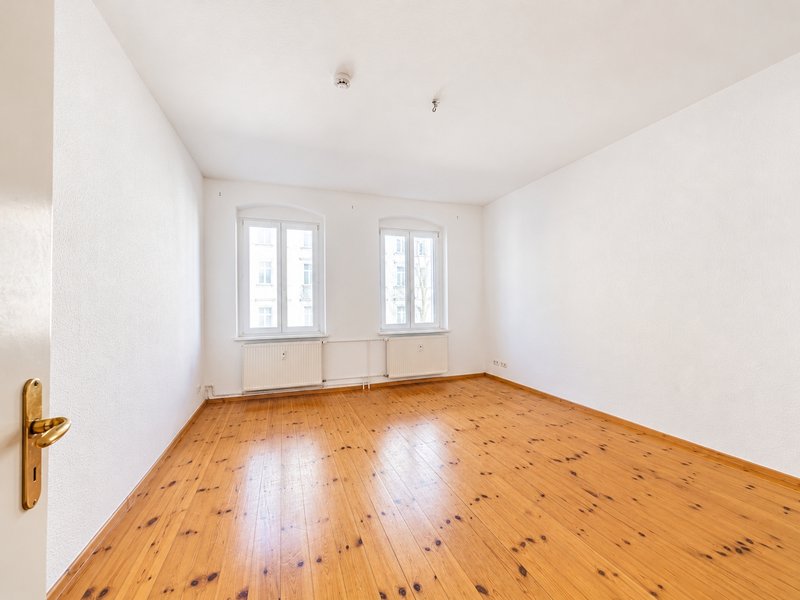
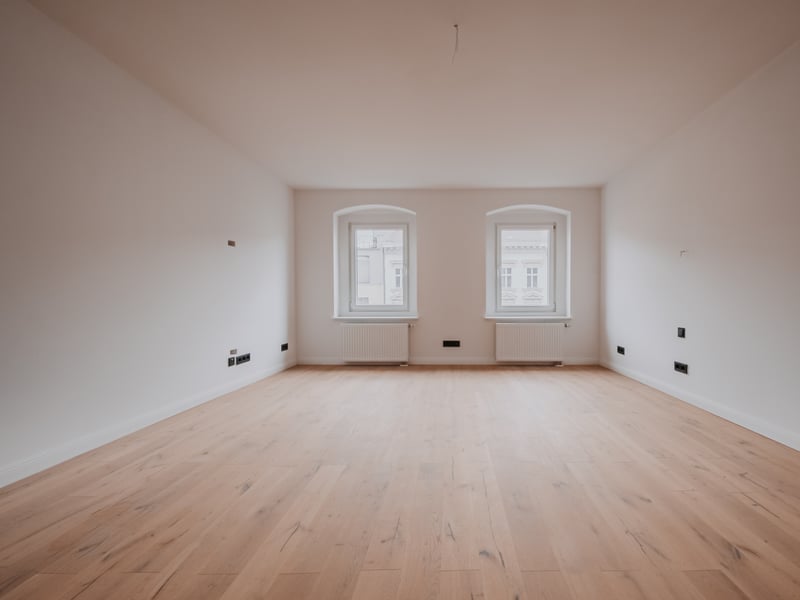
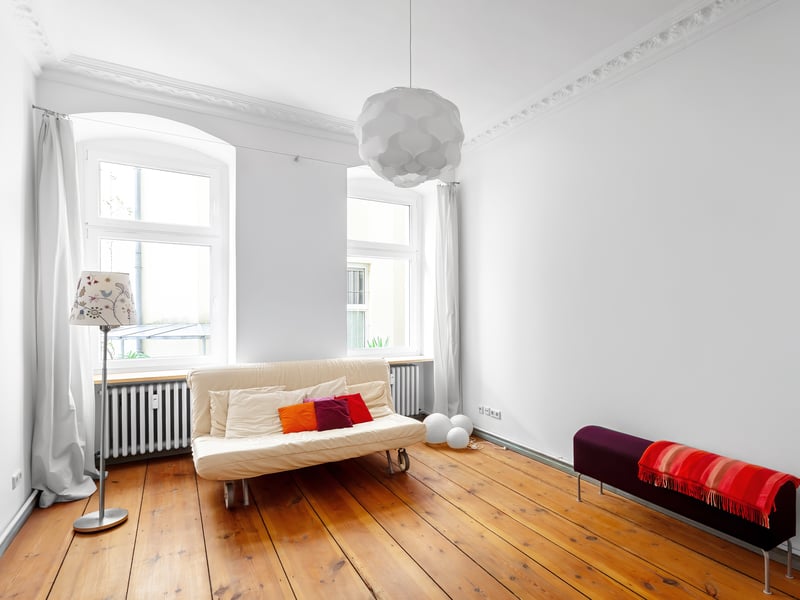
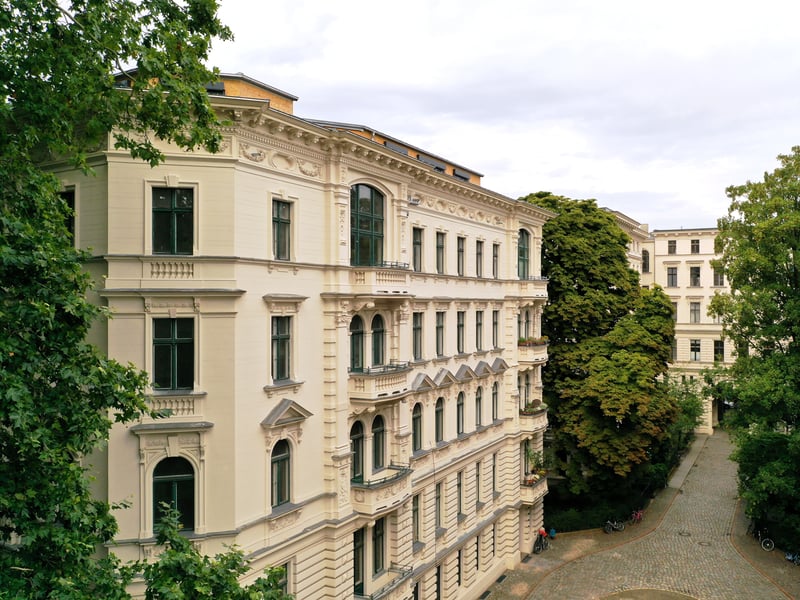
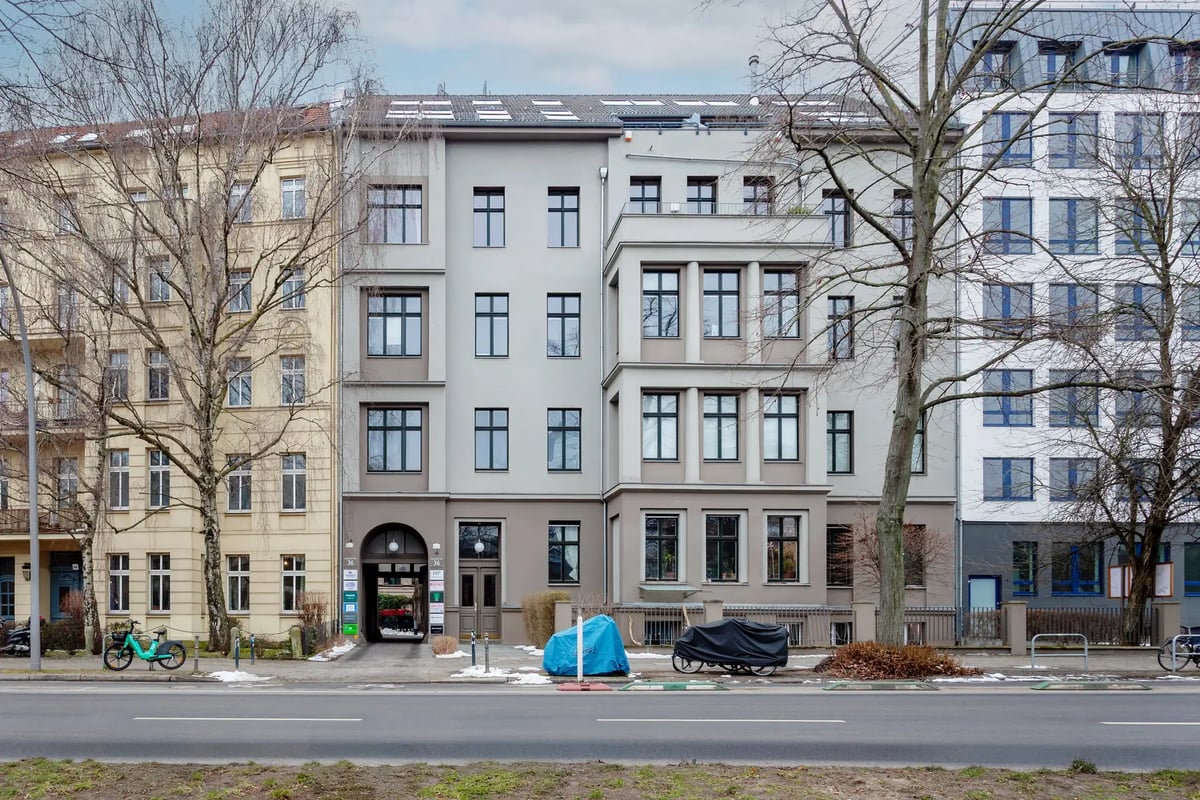
The case concerns a residential building in Berlin-Neukölln located within an ordinance for the preservation of the composition of the resident population. The owner lets 15 residential units on a fixed-term basis. Terms run from three months to a maximum of twelve months. Single rooms and entire flats are offered at an all-inclusive price covering furnishings, WLAN, heating costs and service charges.
Prices are 32.63 euros per square metre for single rooms and 23.26 euros per square metre for entire flats. The rent typical for the area, including heating and without furnishings, is 10.37 euros per square metre. The model therefore earns between 2.2 times and 3.1 times the rent typical for the area.
The Neukölln district office prohibited the fixed-term letting by order of 22 December 2025. The owner brought an action against that order. She argued that the units continued to be used for residential purposes and that no permission under conservation law was therefore required.
Judgment
The 19th Chamber dismissed the action. In the court's view, fixed-term letting of furnished flats is capable of displacing the resident population. It therefore constitutes a change of use relevant under conservation law. Permission is not evidently available, because the flats concerned are no longer available to households with children and to low-income households. Those households characterise the area whose composition the ordinance is intended to preserve.
The decisive point is the comparison of uses. The permission requirement is triggered not by residential use as such, but by the switch from open-ended to fixed-term letting.
Distinction from building planning law
The court left open whether the model is covered by the existing building permit. That question is irrelevant to the assessment under conservation law. The two examinations run separately. A use that has not been challenged by the building authority is therefore no evidence of admissibility under conservation law.
Extent of the area framework
Berlin currently has 82 social conservation areas covering 54.3 square kilometres. A further 21 extensions in force add 3.0 square kilometres. Together this amounts to 57.3 square kilometres, or 6.4 percent of the state territory. The areas lie predominantly in the densely built inner city. Their share of the housing stock is therefore considerably higher than their share of the land area.
The boundaries of the individual areas are shown on the interactive milieu protection map.
Implications for owners
Income assumptions based on furnished fixed-term letting are not secure within these areas. In the decided case the premium over the rent typical for the area amounts to 2.2 times to 3.1 times. If that premium is capitalised in a purchase price calculation, a substantial part of the assumed value depends on a permission that, following this decision, is not granted.
Three examination steps follow. First, checking the location against the area framework before the purchase price is formed. Second, establishing the previous use, because the permission requirement attaches to the change in the type of use. Third, treating existing fixed-term tenancies as a risk position rather than as a secured rental income base.
The legal basis, the acts subject to permission and the development of the area framework by borough are set out in the milieu protection section of GUTHMANN® Market Intelligence.
Status of proceedings
The Chamber granted leave to appeal. The judgment is not final. The Higher Administrative Court Berlin-Brandenburg has jurisdiction over the appeal. The file number of the proceedings is VG 19 K 95/26.
Sources
- Berlin Administrative Court, press release no. 37/2026 of 10 September 2026, judgment of the 19th Chamber of 10 September 2026, VG 19 K 95/26
- GUTHMANN® Market Intelligence, area framework of the social conservation areas, data as of 14 September 2026
This analysis was produced with AI support on the basis of GUTHMANN® Market Intelligence and editorially reviewed.
Disclaimer
This article is for general information only and does not constitute tax or legal advice. The content does not replace individual consultation with a tax advisor or attorney. No liability is assumed for accuracy or completeness.