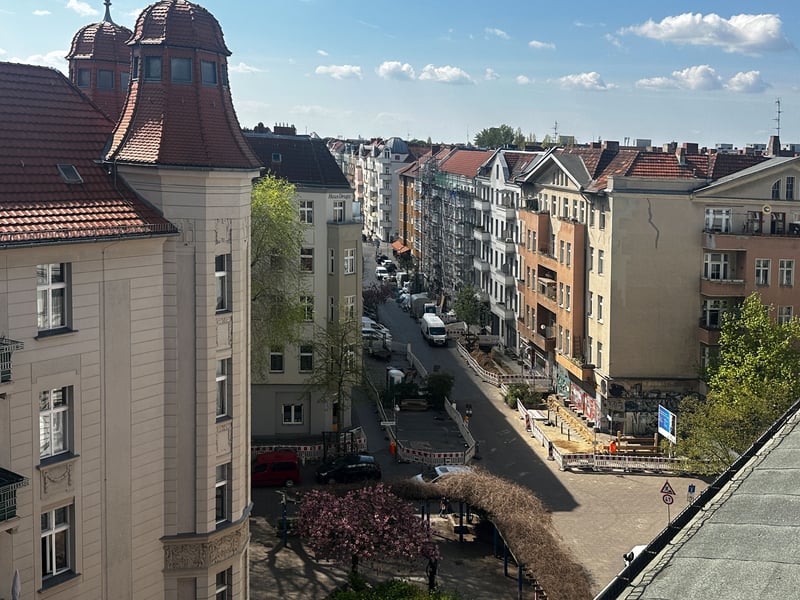


In November 2010, the Berlin House of Representatives passed the 7th amendment to the Street Cleaning Act (Strassenreinigungsgesetz, StrReinG). The trigger was the partly chaotic conditions on Berlin's sidewalks during the previous winter: icy paths, uncleared bus stops, snow-covered public squares. The situation was especially bad in densely populated boroughs (Bezirke) like Neukoelln and at transport hubs in Mitte. The amendment affects owners of apartments and apartment buildings alike.
BSR takes over bus stops and pedestrian zones
Berlin's municipal cleaning service (BSR) is now responsible for winter service at the following locations:
- Sidewalks at bus and certain tram stops
- Access paths to these stops
- Areas in front of waiting shelters
- Pedestrian zones and selected public squares
The goal is to keep key public areas passable even during heavy snowfall.
What changes in the definition of winter service
The legal definition of winter service has been significantly broadened. It now covers not only snow removal but also spreading grit and removing ice formations. The terms "Eisglaette" (ice glaze) and "Eisbildung" (ice formation) are legally defined for the first time. A new minimum width also applies: cleared paths on sidewalks must be at least 1 meter wide.
Monitoring duty replaces transfer of responsibility
The duty to clear and grit the sidewalk in front of your property remains with the owner. What is new: the previous option to fully transfer public-law responsibility to a contracted company no longer exists. As a property owner, you are now required to actively monitor the work of any company you hire. If the service provider does a poor job, you are liable.
According to the Senate Administration, this stricter monitoring duty is intended to improve the quality of winter service across the city. For property owners, this means reviewing service contracts and keeping records of your own monitoring activities.
Disclaimer
This article is for general information only and does not constitute tax or legal advice. The content does not replace individual consultation with a tax advisor or attorney. No liability is assumed for accuracy or completeness.