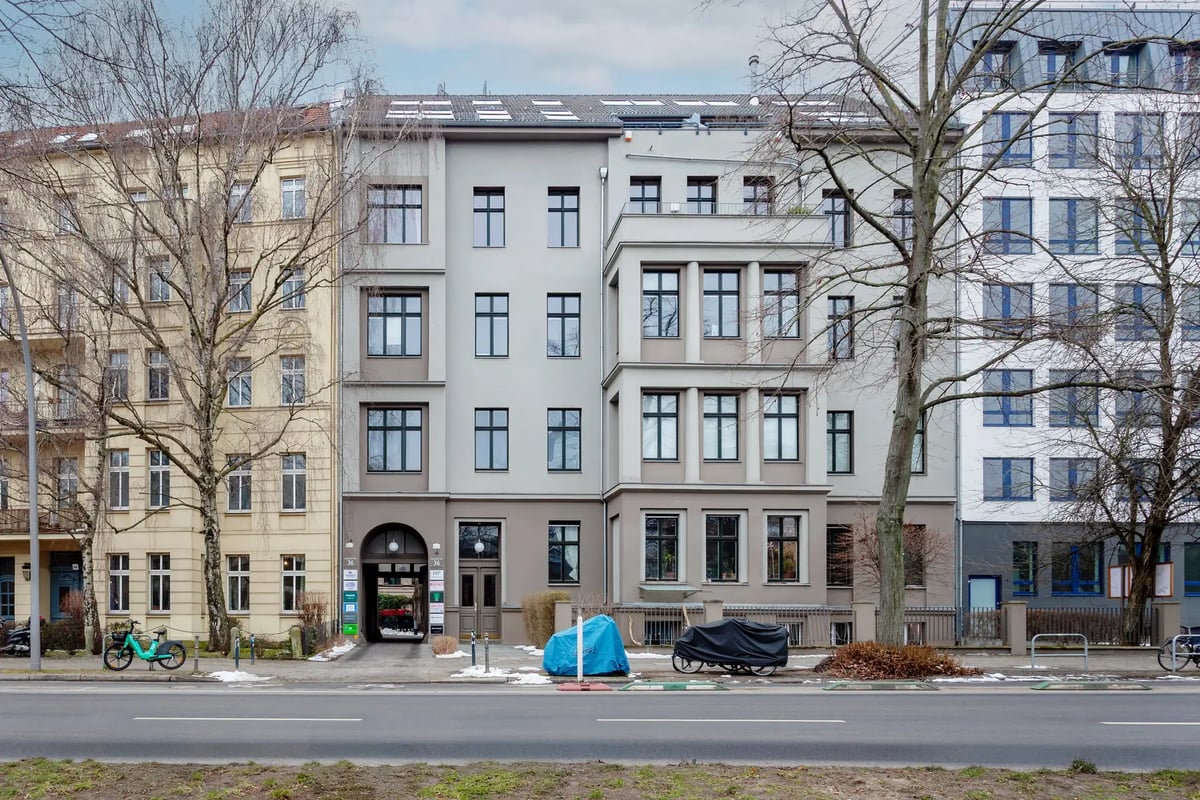


Berlin's imperial-era Altbau buildings are widely regarded as objects of speculation. But why, exactly?
Most of these houses were built more than 120 years ago as retirement provision for middle-class families. Often the builders were master craftsmen, bricklayers or bakers among them, who built readily and built a lot. Like those builders back then, many young people today are in the prime of life, professionally and in their families. So what could be more natural than taking up the legacy of the Berlin Altbau and becoming a landlord? All market data suggest that the moment has come to bring houses now being sold by generational owners into private hands for the decades ahead.
A change of image: from tenement to preferred way of living
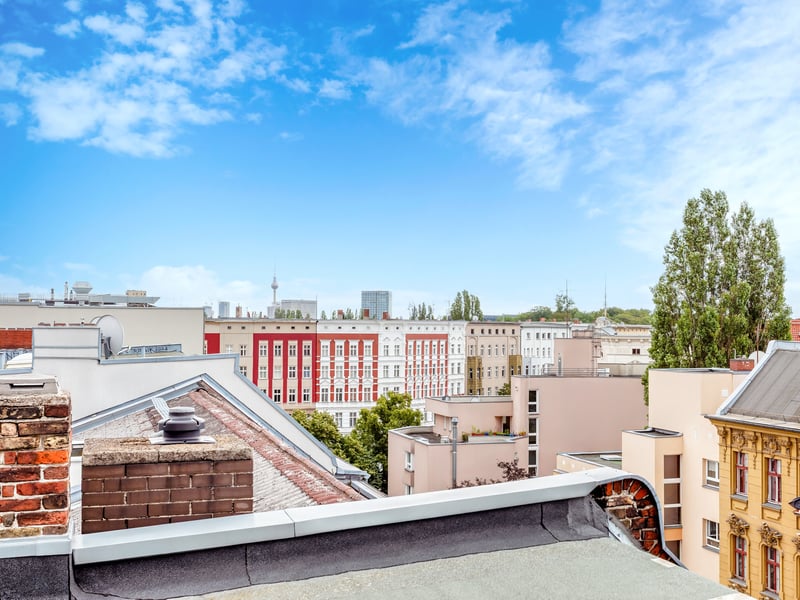
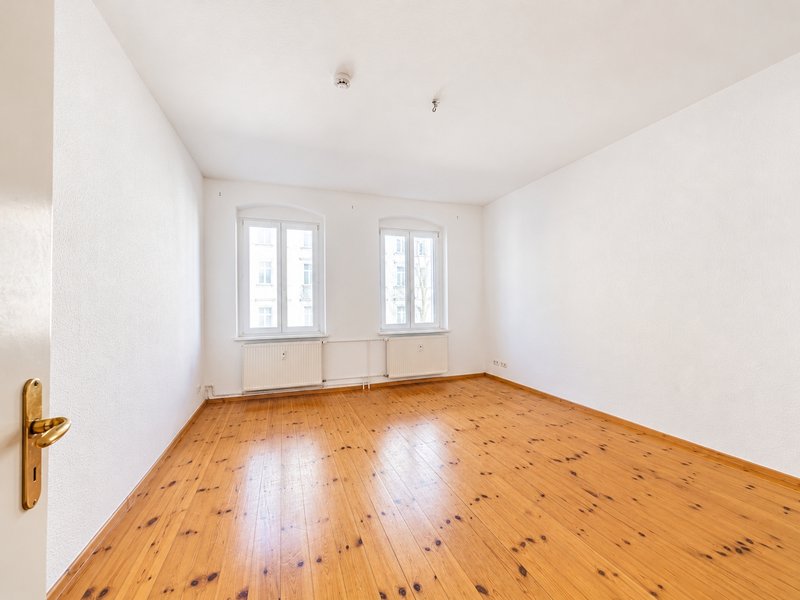
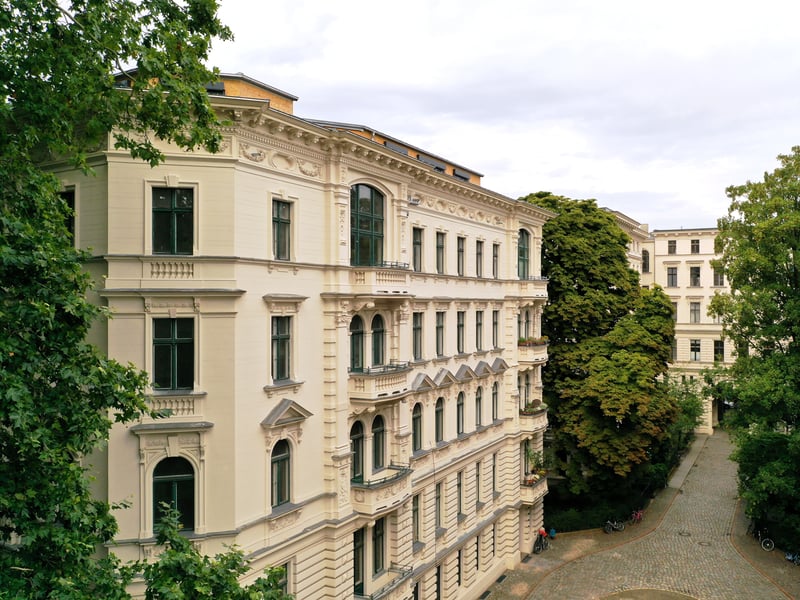
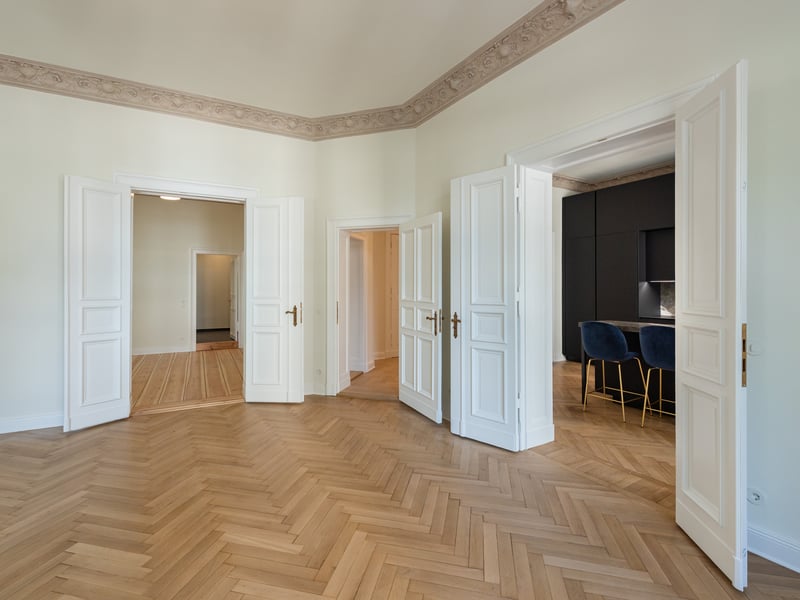
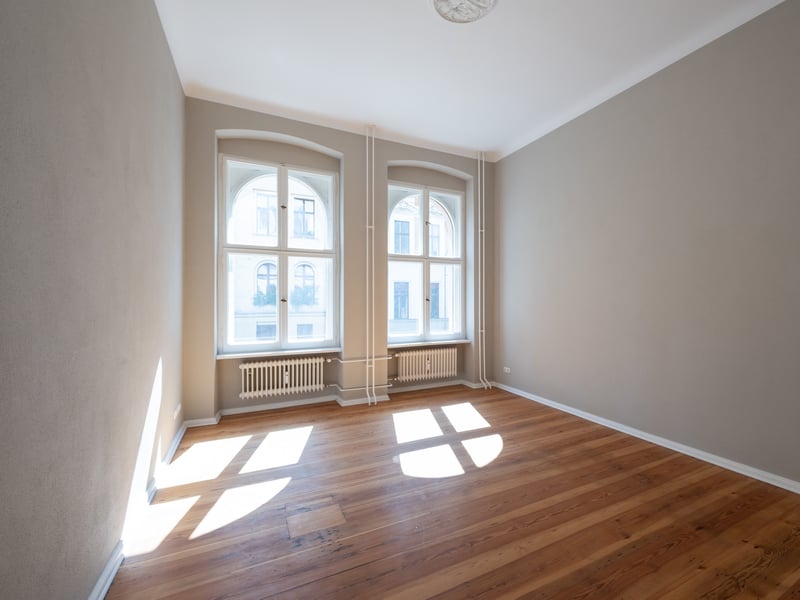
Anyone who buys an apartment building in Berlin today is investing in a highly sought-after asset, often listed, and one that carries a certain status. Over more than 100 years of urban development, many once-cramped Berlin tenements have become classics. It was not the tenements that adapted to the cityscape but the other way round: the city's planning concept adapted to the perimeter block structures typical of Berlin, a planning principle that shapes Berlin's image internationally. High ceilings, mostly generous layouts, stucco and sandstone are very popular with tenants. As a way of living, the Altbau is clearly number one in Berlin.
The advantages of a mixed-use residential and commercial building in Berlin are structurally locked in by a population of which around 84 percent rent. According to the 2022 census, 1.66 million of Berlin's roughly 2.05 million homes are rented. The home ownership rate is thus just under 16 percent, one of the lowest in Europe. It is therefore highly unlikely that the ownership rate in the tenant city of Berlin will rise significantly or quickly. The largest part of its housing stock sits in buildings erected in the Gründerzeit and imperial era. The share of Altbau buildings in the total rental housing stock is therefore considerable.
Who owns Berlin's apartment buildings?
The buildings erected in the imperial era by locksmiths, carpenters, master builders and other craftsmen and well-off citizens were passed down over several generations and have outlasted wars and political systems. The wish to provide not only for old age but also for the generations that followed has been fulfilled. The vast majority of Berlin's apartment buildings remain in private hands today, and they stand not for speculation but for more than 120 years of continuity, tradition and the most important service to society: creating homes.